Blog
How to Source Wooden Toys from Global Suppliers?
Sourcing wooden toys from global suppliers requires more than comparing catalog prices. Demand is rising for tactile, screen-free, and open-ended play products. Grand View Research’s 2024 Wooden Toys Market report identifies growing interest in natural materials, developmental play, and sustainable product positioning. Circana’s 2024 toy market updates also highlight the continuing importance of value, quality, and play experience in purchasing decisions. These trends create opportunity, but they do not guarantee safe or profitable sourcing.
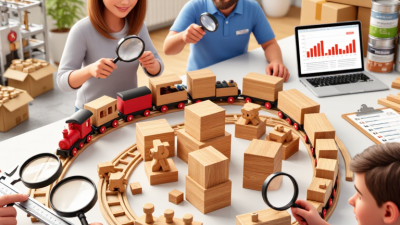
The practical work begins with supplier verification. Request factory addresses, production photographs, material specifications, and recent test reports. Then inspect samples closely. A smooth wooden block should have rounded corners, even paint, tight joints, and no loose splinters. Check whether the supplier can consistently reproduce these details at scale. Ask about wood origin, coatings, packaging, quality-control checkpoints, and independent laboratory testing. A polished website proves very little.
Richard Gottlieb, founder of Global Toy Experts, describes the sector simply: “The toy business is a business of passion.” That passion still needs disciplined purchasing. Compare at least three suppliers, document every specification, and calculate freight, sampling, testing, tariffs, and defect allowances. Certification requirements vary by destination, so confirm current rules with qualified testing professionals before placing an order. Reports may show attractive market growth, yet market forecasts differ by methodology. They are useful direction, not certainty. Your first sample may disappoint. Good. It exposes problems before a large shipment does. This guide explains how to evaluate wooden toys suppliers, control quality, reduce avoidable risk, and build a dependable sourcing process.
Read more »
 By:Elowen
- October 22, 2026
10 STEM Toys Buying Tips for Global Buyers?
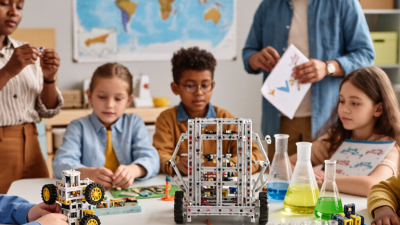
Buying STEM toys across borders requires more than colorful packaging and a low wholesale price. Global buyers must examine learning value, product safety, durability, and cultural fit. A robotics kit may look impressive, yet its small parts could frustrate younger children. A science set may promise discovery, but unclear instructions can leave families confused. Practical evaluation matters.
Dr. Marina Umaschi Bers, a professor and expert in children’s educational technology, has said, “Coding is the new literacy.” Her view highlights an important buying principle: STEM toys should help children create, test, and solve problems. They should not merely produce lights or sounds. Buyers should inspect age grading, materials, battery design, privacy features, and testing documentation. They should also check whether instructions are translated clearly for each target market. Small details matter.
Consider the full customer journey. Can a child open the kit without excessive adult help? Can teachers reuse the components after one classroom project? Will replacement parts remain available next year? These questions reveal product quality more honestly than marketing claims. Certification requirements also differ between regions, so professional verification is essential. Never assume one approval covers every destination.
There is no perfect toy. Even a well-designed kit may be too difficult for some learners. That weakness deserves attention, not concealment. The strongest purchasing decision balances educational purpose, safe design, reliable supply, and genuine play value. For global buyers, thoughtful comparison creates fewer returns and better learning experiences.
Read more »
By:Elowen
- October 22, 2026
Top 10 Types of Educational Toys for Global Buyers
Choosing the right educational toys requires more than colorful packaging or a low purchase price. Global buyers must consider children’s developmental needs, material quality, safety documentation, and local market expectations. A wooden sorting board may support early problem-solving, while a programmable robot can build logical thinking through simple challenges. Each product serves a different learning purpose.
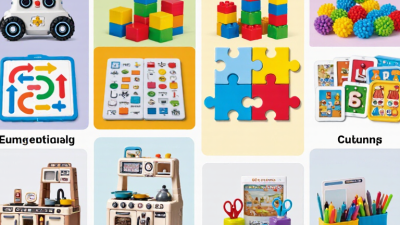
This guide explores the top 10 types of educational toys, including STEM kits, building sets, puzzles, sensory toys, language tools, and role-play products. It focuses on practical buying decisions, such as age suitability, durability, cleanable surfaces, and clear instructions. These details matter when products travel through different climates, warehouses, classrooms, and homes. They also influence returns and customer trust.
Safety comes first.
Responsible buyers should verify test reports, labeling rules, small-parts warnings, and chemical restrictions for each destination. Requirements differ across countries, so one certificate may not satisfy every market. Supplier experience helps, but independent verification remains valuable. A polished sample can hide weak hinges, loose magnets, or confusing instructions. We should admit that product descriptions alone are never enough.
The strongest educational toys encourage active participation instead of passive screen time. They invite children to touch, build, compare, question, and try again. However, learning results depend on adult guidance, cultural context, and the child’s interests. This overview offers a practical starting point, not a perfect formula, for buyers seeking reliable educational toys with lasting value.
Read more »
 By:Avery
- October 22, 2026