Choosing the right educational toys requires more than colorful packaging or a low purchase price. Global buyers must consider children’s developmental needs, material quality, safety documentation, and local market expectations. A wooden sorting board may support early problem-solving, while a programmable robot can build logical thinking through simple challenges. Each product serves a different learning purpose.
This guide explores the top 10 types of educational toys, including STEM kits, building sets, puzzles, sensory toys, language tools, and role-play products. It focuses on practical buying decisions, such as age suitability, durability, cleanable surfaces, and clear instructions. These details matter when products travel through different climates, warehouses, classrooms, and homes. They also influence returns and customer trust.
Safety comes first.
Responsible buyers should verify test reports, labeling rules, small-parts warnings, and chemical restrictions for each destination. Requirements differ across countries, so one certificate may not satisfy every market. Supplier experience helps, but independent verification remains valuable. A polished sample can hide weak hinges, loose magnets, or confusing instructions. We should admit that product descriptions alone are never enough.
The strongest educational toys encourage active participation instead of passive screen time. They invite children to touch, build, compare, question, and try again. However, learning results depend on adult guidance, cultural context, and the child’s interests. This overview offers a practical starting point, not a perfect formula, for buyers seeking reliable educational toys with lasting value.
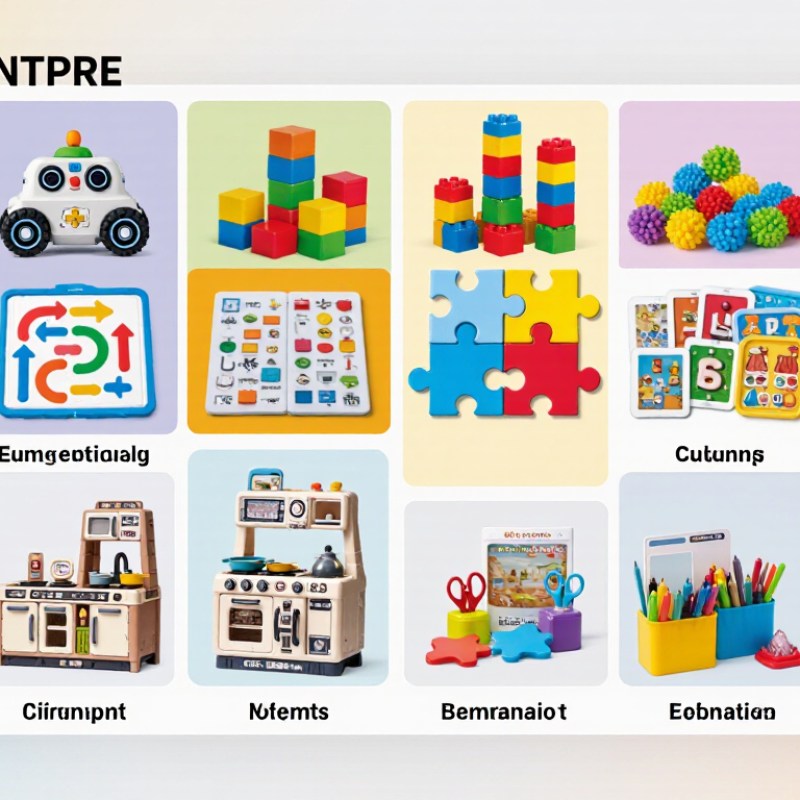
What Defines an Educational Toy for Global Buyers
For global buyers, an educational toy should make learning visible through play. It may build counting, language, coordination, problem-solving, or social skills. The American Academy of Pediatrics links play with executive function, communication, and emotional development. However, a “STEM” label alone proves little. Buyers should inspect the activity, not just the packaging.
Market data also supports careful evaluation. Grand View Research estimated the global educational toys market at over USD 55 billion in 2023, with strong growth expected through 2030. This growth attracts many products with uneven educational value. A reliable toy needs clear age guidance, durable materials, safe construction, and instructions that caregivers can understand. The OECD’s PISA research repeatedly shows that learning outcomes depend on engagement and meaningful practice, not novelty alone.
For international markets, adaptability matters. A counting toy should use symbols, languages, and examples that children can recognize locally. Inclusive design also helps children with different abilities participate without feeling separated. I have found that the best products allow several solutions, rather than forcing one correct movement. Small details matter: thick pieces for small hands, high-contrast markings, and quiet feedback for classroom use. Still, no toy fits every culture or classroom. Buyers should test samples with real children and educators before placing large orders.
Top 10 Types of Educational Toys for Global Buyers
Ten major categories shape the educational toy market across different regions and age groups. Building and construction toys develop spatial thinking through blocks, connectors, and simple models. Puzzles strengthen patience, visual recognition, and problem-solving skills. STEM toys introduce science, technology, engineering, and mathematics through experiments, circuits, or coding tasks. Language and literacy toys support phonics, vocabulary, storytelling, and multilingual learning. Math toys use counting beads, number cards, and pattern games to make abstract ideas more concrete.
Sensory toys offer textures, sounds, and movement for hands-on exploration. Art and craft toys encourage drawing, cutting, coloring, and creative expression. Role-play toys let children practice communication through kitchens, clinics, shops, or travel scenarios. Music toys build rhythm and listening skills with drums, shakers, and beginner instruments. Outdoor and physical-play toys develop balance, coordination, and body awareness. Small details matter. A supplier should check age grading, material quality, choking risks, packaging clarity, and applicable safety testing before international distribution. Instructions may also need translation and visual guidance for different markets.
From practical sourcing experience, the most attractive toy is not always the most useful one. A bright product may lose attention quickly. Some puzzles are too difficult for younger users, despite accurate age labels. No category fits every child. Buyers should review play value, durability, cultural suitability, and classroom feedback instead of relying only on sales data.
Top 10 Types of Educational Toys for Global Buyers
Learning Skills Developed by Each Toy Category
Construction sets develop spatial reasoning, planning, and fine motor control. Puzzles strengthen visual matching, patience, and flexible thinking. STEM experiment kits introduce observation, measurement, and evidence-based reasoning. Coding toys build sequencing and problem-solving, even without screens. Small parts matter. Age labels still need careful review.
Role-play toys support communication, empathy, and negotiation. Language games expand vocabulary and listening skills. Number games develop counting, comparison, and early financial awareness. Musical toys encourage rhythm, memory, and self-expression. Sensory toys can improve focus through textured, weighted, or movable materials. Outdoor movement toys build balance, coordination, and risk judgment. Play is active.
The World Bank’s World Development Report 2018 warned that 53% of children in low- and middle-income countries cannot read a simple text by age ten. This finding makes language-rich play especially relevant for global buyers. The OECD’s PISA 2022 creative-thinking assessment covered 64 countries and economies, showing that creative thinking is measurable across education systems. Toys should therefore offer open-ended tasks, not only one correct answer. A practical buyer check is simple: Can children explain, rebuild, compare, or invent with the product? Not every toy performs equally. Packaging claims can also overpromise. Product testing with children, teachers, and caregivers remains essential.
| No. | Toy Category | Typical Product Examples | Primary Learning Skills Developed | Common Age Range | Key Buyer Considerations |
|---|---|---|---|---|---|
| 1 | Building and Construction Sets | Interlocking blocks, magnetic tiles, gears, connectors and simple construction kits | Spatial reasoning, fine motor control, problem-solving, planning, creativity and early engineering concepts | 3–12 years | Check connection strength, small-part warnings, material safety, color consistency and compatibility between pieces |
| 2 | Puzzles and Brain Teasers | Jigsaw puzzles, sorting puzzles, pattern games, mazes and logic challenges | Visual discrimination, memory, concentration, logical reasoning, sequencing and persistence | 2–12+ years | Offer graduated difficulty, durable pieces, clear artwork and age-appropriate piece sizes |
| 3 | STEM and Early Science Kits | Basic experiment kits, circuit boards, balance sets, magnifiers and mechanical models | Observation, measurement, cause-and-effect reasoning, hypothesis testing and scientific vocabulary | 5–14 years | Review safety instructions, supervision needs, refill availability and suitability for local curricula |
| 4 | Early Math and Counting Toys | Counting bears, number boards, abacuses, shape sorters and fraction manipulatives | Counting, number recognition, classification, patterning, comparing quantities and basic operations | 2–8 years | Use clear symbols, culturally neutral imagery, tactile components and multiple difficulty levels |
| 5 | Language and Literacy Toys | Alphabet tiles, phonics cards, word games, storytelling cards and reusable writing boards | Vocabulary, phonemic awareness, letter recognition, storytelling, listening and early writing skills | 3–10 years | Localize language, spelling and pronunciation; verify translation quality and font legibility |
| 6 | Art and Craft Toys | Modeling dough, drawing kits, craft materials, bead sets and child-safe painting tools | Fine motor coordination, visual expression, color recognition, imagination and following instructions | 3–12 years | Prioritize non-toxic materials, washable components, secure packaging and allergy information |
| 7 | Pretend Play and Role-Play Toys | Miniature household sets, dress-up accessories, occupation kits and play food | Communication, social interaction, emotional understanding, imagination and practical life skills | 2–8 years | Consider cultural relevance, realistic proportions, washable surfaces and choking hazards |
| 8 | Musical and Rhythm Toys | Drums, shakers, bells, xylophones and simple sound-making instruments | Auditory discrimination, rhythm, coordination, memory, self-expression and group participation | 1–8 years | Control volume, ensure secure parts, use tuned components where applicable and provide storage solutions |
| 9 | Movement and Physical Development Toys | Balance boards, soft balls, stepping stones, obstacle-course pieces and coordination games | Gross motor skills, balance, agility, body awareness, spatial orientation and cooperation | 1–10 years | Assess stability, load limits, surface grip, indoor and outdoor suitability and required supervision |
| 10 | Coding and Robotics Toys | Screen-free coding boards, programmable robots, sensor kits and beginner coding games | Algorithmic thinking, sequencing, debugging, collaboration, systems thinking and digital literacy | 5–14 years | Check language support, battery or charging requirements, privacy features and offline usability |
Age ranges are general guidance. Actual suitability depends on product design, developmental level, supervision requirements and applicable toy-safety regulations in the destination market.
Safety must guide every educational toy purchase, from building sets to early-learning puzzles. In practical sourcing work, buyers should check ASTM F963, EN 71, and ISO 8124 requirements. These standards address small parts, sharp edges, flammability, sound levels, and chemical migration. Requirements still vary by destination market. A certificate alone is not enough.
The U.S. Consumer Product Safety Commission reported an estimated 231,500 emergency-department-treated toy injuries in 2023. That figure makes age grading and choking-risk testing essential. Inspectors should examine loose magnets, detachable wheels, button batteries, and paint on wooden pieces. The European Commission’s 2023 Safety Gate report identified toys among the most frequently notified dangerous product categories, representing about 13% of alerts. Traceability matters. Each carton should show batch details, warnings, and importer information.
Quality control should continue after laboratory approval. Buyers can request pre-shipment inspections, random production samples, and packaging-drop tests. A factory sample may pass while later production changes materials or adhesives.
That is an uncomfortable gap. It deserves attention. Digital test records, corrective-action reports, and independent laboratory results improve reliability. Still, no inspection catches everything. Global buyers should review supplier history, retest high-risk components, and update assessments when designs change.
Global buyers evaluate educational toys by learning value, safety, durability, and sourcing reliability. The main categories include puzzles, building sets, STEM kits, sensory toys, language games, math tools, art materials, musical toys, role-play sets, and outdoor learning products. Each type needs a different review method.
A puzzle should have clear age guidance and pieces that resist bending. STEM kits need accurate instructions, stable components, and tested materials. For sensory toys, buyers check texture, cleaning methods, and possible material sensitivities. Art products require secure packaging and transparent ingredient information. A sample order often reveals loose parts, weak printing, or confusing instructions faster than a supplier presentation.
Experienced buyers compare test reports, factory quality systems, production capacity, minimum order quantities, and delivery records. They also confirm packaging dimensions because oversized cartons increase freight costs. Supplier audits can show whether inspections happen during production, not only before shipment. Local safety requirements must be checked for every target market. A certificate alone is not enough.
Price can mislead. A cheaper toy may create higher replacement and complaint costs. Buyers should request samples from different production batches when possible. Still, no checklist predicts real classroom engagement perfectly. Some products look educational but become unused after one week. Small teacher trials and child-friendly feedback can expose that weakness. Reliable sourcing is less about finding the lowest quote and more about verifying consistent value.
Buyer Priority Index based on commonly evaluated sourcing factors: learning value, age adaptability, safety requirements, durability, and shipping practicality.
Higher scores indicate stronger overall sourcing appeal for international buyers. The index is a normalized editorial benchmark and does not represent any specific company or brand.
Major categories include building sets, puzzles, STEM kits, language games, math tools, and sensory toys. Art, music, role-play, and outdoor toys also support learning. No category suits every child.
Blocks and connectors develop spatial thinking through simple structures. Children compare sizes, balance pieces, and test different designs. A small tower can teach a large lesson.
Buyers should examine age guidance, piece strength, image clarity, and difficulty. Pieces should resist bending during repeated use. Some puzzles are too difficult for younger children, despite accurate labels.
A useful STEM toy includes clear instructions and stable components. Experiments, circuits, and coding tasks should match the learner’s age. Confusing steps can reduce interest quickly.
Buyers should check textures, cleaning methods, movement, and possible material sensitivities. Surfaces need practical care instructions. A pleasant texture may not remain useful after frequent washing.
Samples can reveal loose parts, weak printing, or unclear instructions. They also show whether the toy feels durable in real hands. Presentations can hide small problems.
Buyers should review age grading, material quality, choking risks, packaging clarity, and applicable safety testing. Local requirements may differ between markets. A certificate alone is not enough.
Buyers can compare test reports, quality systems, production capacity, order quantities, and delivery records. Factory audits may show whether inspections happen during production. Cheaper is not always better.
Small teacher trials and child-friendly feedback can reveal weak play value. Observe whether children return to the toy after one week. Sales data misses that detail.
Buyers should check carton dimensions because oversized packages can increase freight costs. Instructions may need translation and visual guidance. Even good toys can fail through confusing directions.
Educational toys are designed to make learning engaging while helping children develop practical knowledge and essential skills through play. For global buyers, the main categories include building and construction sets, puzzles, STEM kits, language and literacy toys, mathematics games, creative arts materials, role-play toys, sensory learning products, motor-skill toys, and social-emotional learning games. Each category supports different abilities, such as problem-solving, communication, creativity, logical thinking, coordination, teamwork, and emotional awareness.
When evaluating educational toys for international markets, buyers should consider age suitability, material safety, durability, clear instructions, product testing, packaging, and compliance with applicable safety and quality standards. Reliable sourcing also involves reviewing supplier capabilities, production consistency, customization options, documentation, order quantities, and delivery requirements. By balancing educational value, safety, quality, and market demand, global buyers can select products that offer meaningful learning experiences and meet the expectations of families, schools, and distributors in different regions.