Export-Grade Robotic & Engineering Model Assemblies
Engineered for high cognitive engagement, mechanical durability, and strict compliance with global safety standards. Explore our premier inventory delivered directly to Australian ports.
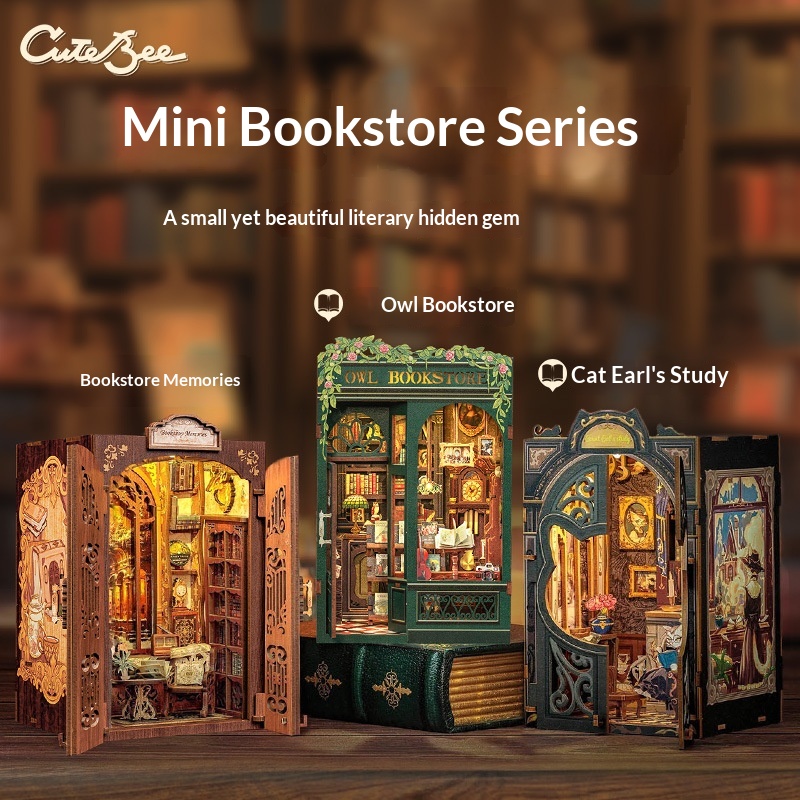
CuteBee Owl Bookstore DIY Wooden 3D Handmade Assembly Book Stand
Architectural mechanical structure integrating micro-circuits and detailed joinery, perfect for Australian craft and boutique hobby sectors.
Send an Inquiry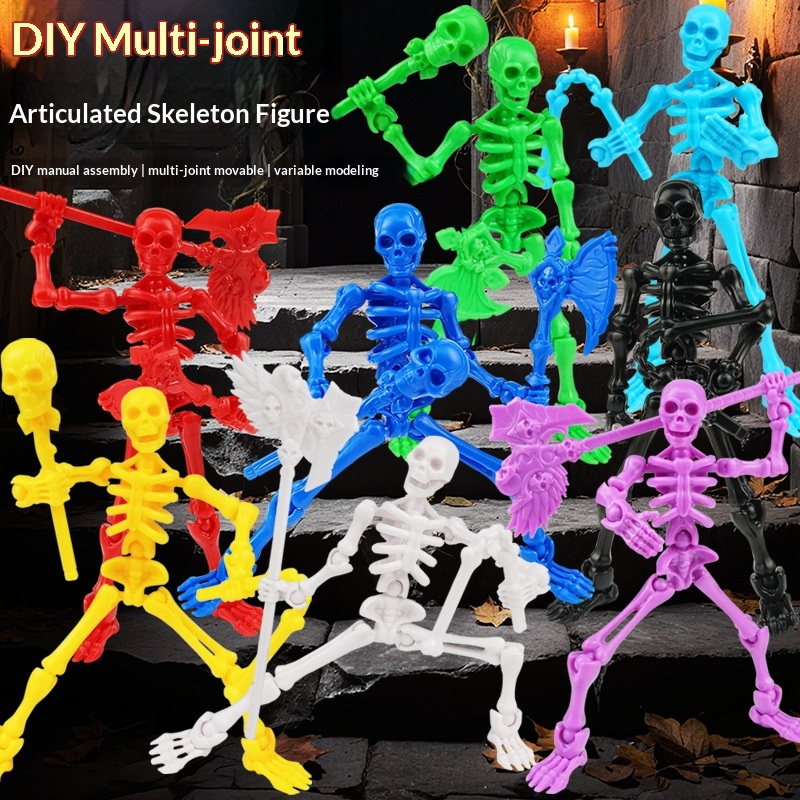
Multi-Joint Movable Kinetic Assembly Action Figure
Features dynamic joint biomimicry and high-tension articulation points for engineering modeling and custom hobby projects.
Send an Inquiry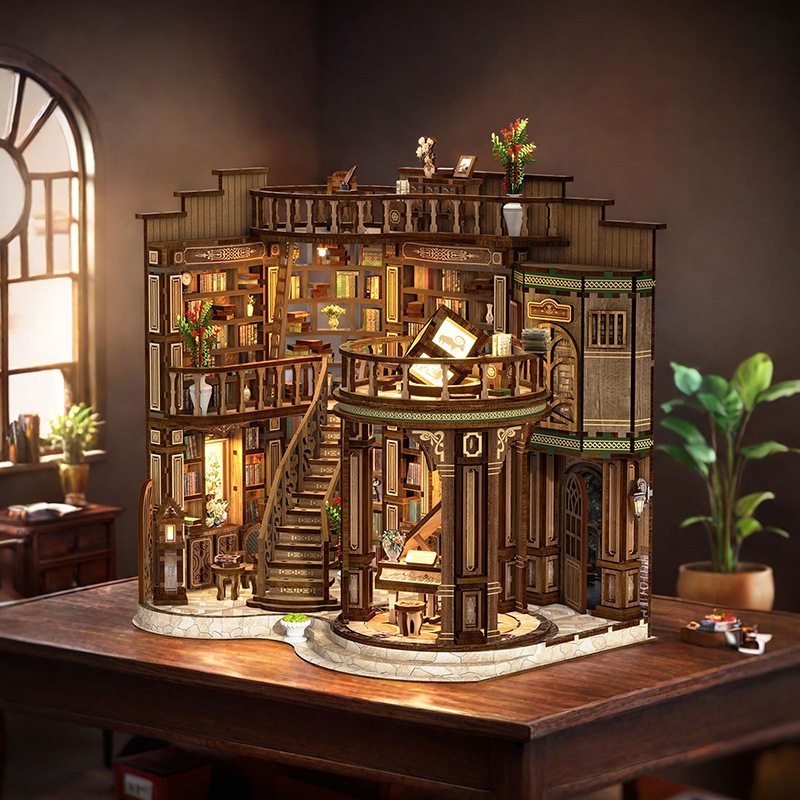
DIY Dream Bookstore 3D Hand-assembled Wood Building Model
Combines classical mortise-tenon engineering with modern miniature aesthetics, widely deployed in educational manual arts.
Send an Inquiry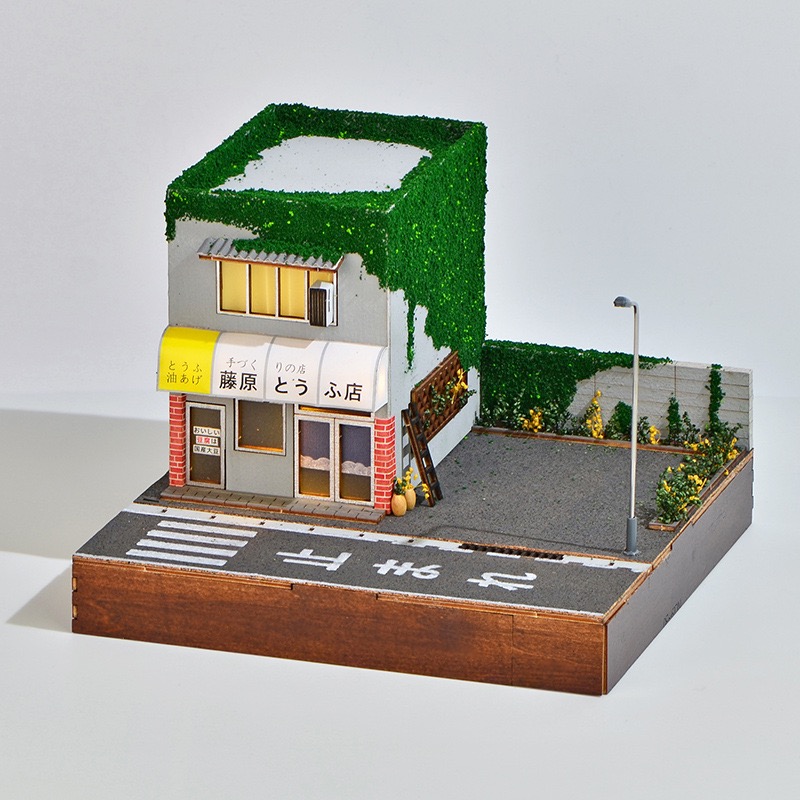
1:64 Scale Handmade Assembly Miniature Diorama Model
Exceptional structural fidelity featuring modular snaps, tested for environmental resilience during cross-Pacific transit.
Send an Inquiry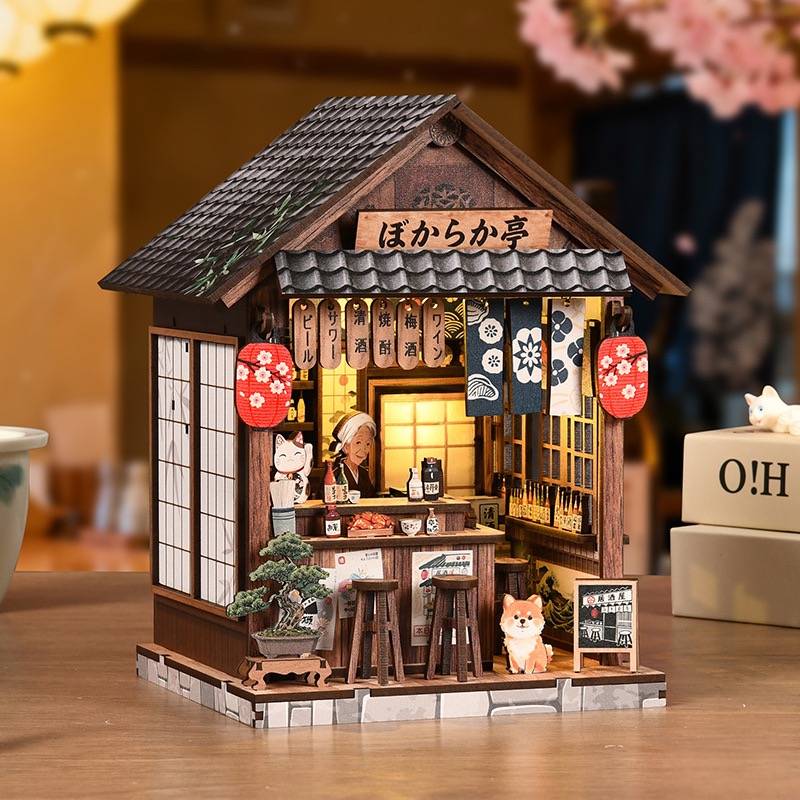
DIY 3D Wood Cultural Assembly Building Model
Cultivates spatial perception and mechanical discipline through interlocking wooden elements with zero-adhesive structural joints.
Send an Inquiry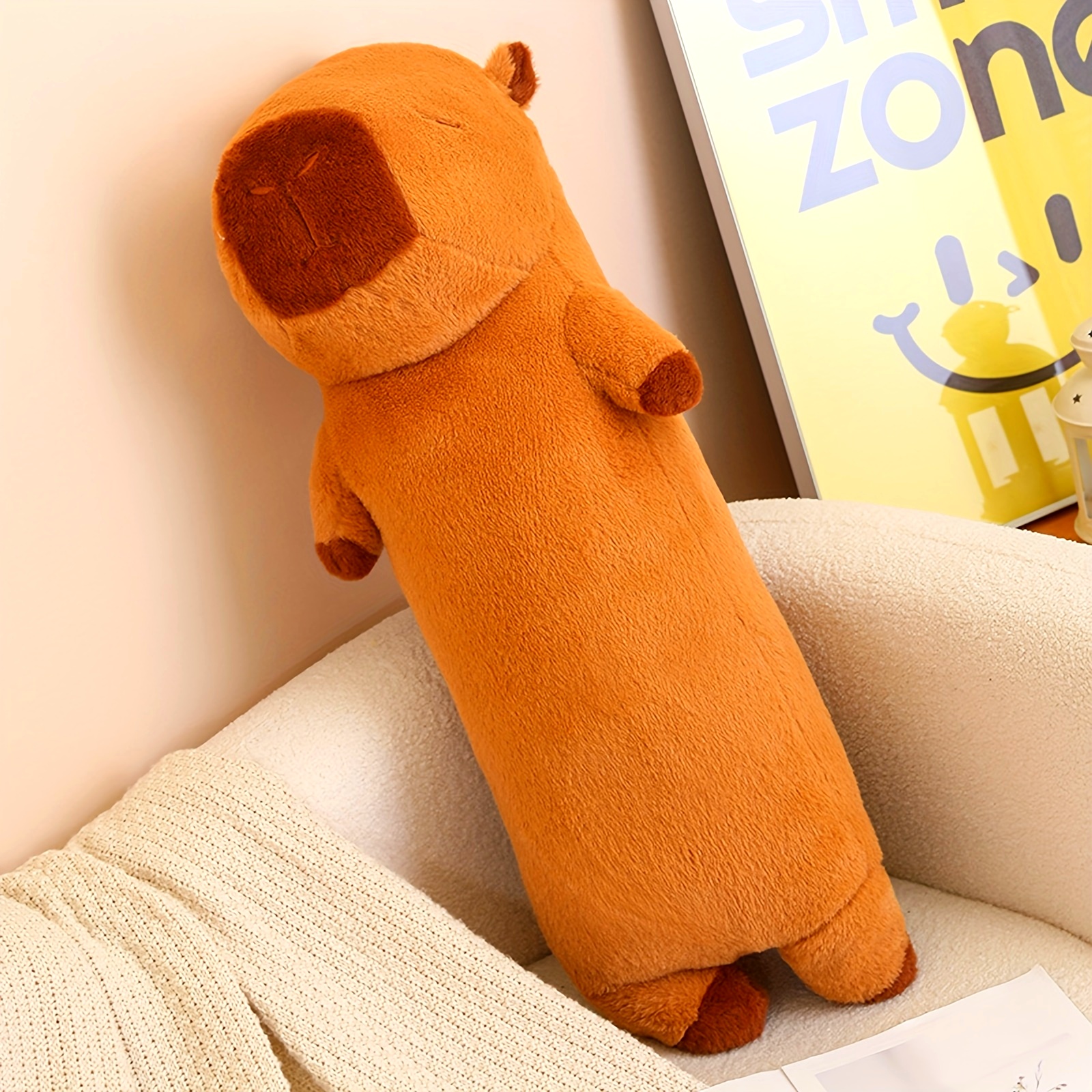
Ergonomic Soft Stuffed Sensory Comfort Cushion (90cm)
Engineered for sensory therapy, neurodivergent calming rooms, and nursery relaxation across primary learning spaces.
Send an Inquiry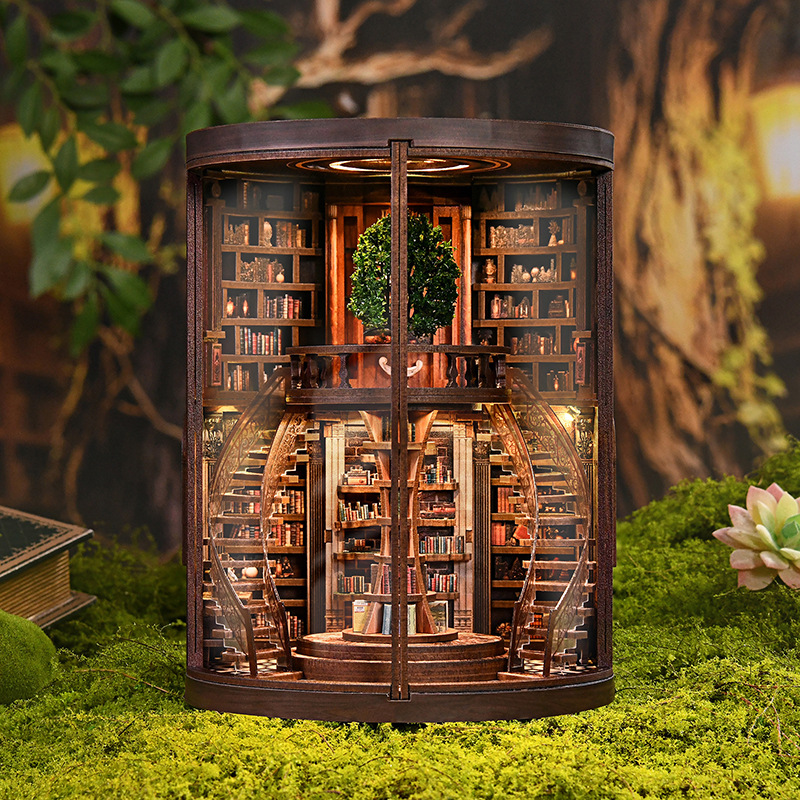
Smart Interlocking 3D Wooden Engineering Building Model
Designed to introduce mechanical leverage principles, spatial analysis, and fine motor discipline through physical problem-solving.
Send an Inquiry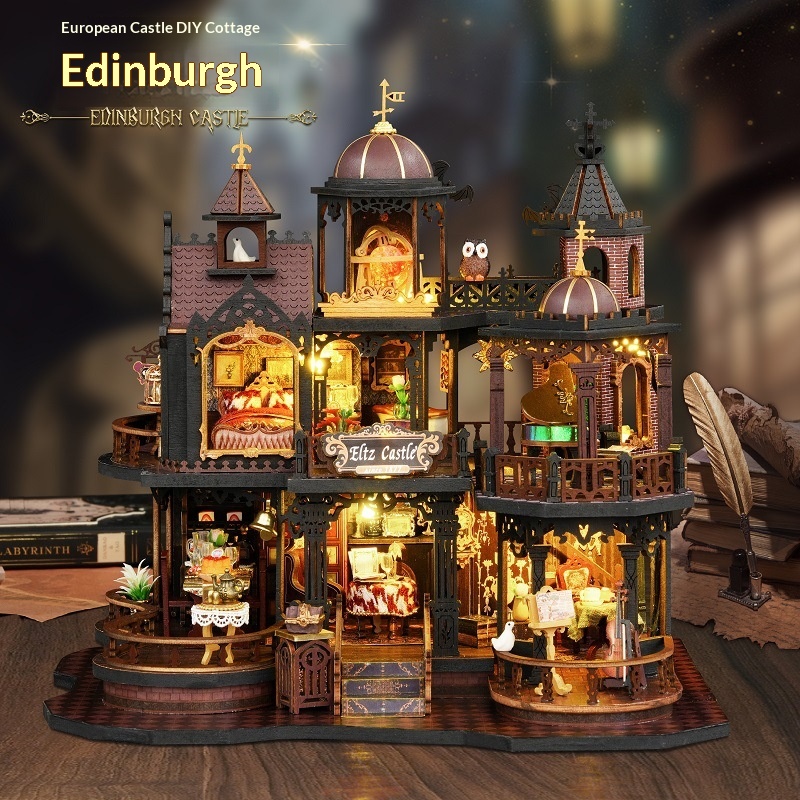
Large-Scale Architectural Engineering Model Kit
Multi-tier floor designs demonstrating structural balance, weight distribution, and mechanical modular assembly techniques.
Send an InquiryBiomimetic Spider Robotics in the Australian Market
A comprehensive analysis of multi-pedal mechanical drive trains, regional institutional compliance, and pedagogical deployment across Australasia.
Kinematic Klann-Linkage Systems
Unlike standard wheeled or tracked STEM toys, biomimetic spider robot kits leverage mechanical linkages—principally optimized variations of the Klann or Theo Jansen linkage mechanisms. By converting continuous rotational motion from small high-torque DC motors into coordinated multi-legged gait cycles, these kits provide Australian engineering students with real-world exposure to mechanical conversion efficiency, kinematic chain constraints, and dynamic balance without software stabilization dependencies.
AS/NZS ISO 8124 Harmonization
Navigating the Department of Climate Change, Energy, the Environment and Water (DCCEEW) guidelines and the Australian Competition and Consumer Commission (ACCC) safety parameters is vital for domestic distributors. Our export manufacturing protocols integrate AS/NZS ISO 8124.1 (Physical/Mechanical properties), AS/NZS ISO 8124.2 (Flammability), and AS/NZS ISO 8124.3 (Toxic Element Migration), guaranteeing uninterrupted clearance through customs at Port Botany, Port of Melbourne, and Fremantle.
Material Resilience in Australian Climates
Australian school laboratories and hobbyist communities face high thermal variations and UV index ratings. Our kits replace cheap polystyrene with structural high-impact ABS and precision CNC beech/basswood composite structures. Every structural strut displays high glass-transition temperature thresholds (Tg), eliminating mechanical warping, motor gear bind, and brittle failure under intense coastal or interior outback heat profiles.
Strategic Regional Application Scenarios
Bridging theoretical STEM education with practical commercial implementations across Australian states and territories.
F-10 Australian National Science Curriculum
Under the ACARA (Australian Curriculum, Assessment and Reporting Authority) Design and Technologies framework, educators across Victoria, NSW, and Queensland use our spider robot platforms to instruct algorithmic thinking, force transmission, and biomimetic mimicry. Modular electronic chassis provide direct interfaces with BBC micro:bit, Arduino Uno, and ESP32 systems for progressive coding coursework.
Vocational TAFE & Polytech Mechatronics
Technical and Further Education (TAFE) institutes integrate advanced variations featuring high-torque micro servomotors (MG90S or custom planetary gearboxes) to teach actuator synchronization, load distribution, and power consumption analysis. Students gain tactile diagnostics experience on multi-axis degrees of freedom (DoF) before working with commercial robotic crawlers used in mining and pipeline surveys.
Museum Shops & Tech Retail Channels
Leading institutions like Questacon (The National Science and Technology Centre) and regional science discovery centres seek premium, turnkey retail solutions. With pre-packaged localized retail boxing, barcode integration, and Australian safety warnings, our units serve as high-margin, educational retail consumer products with less than 0.3% return rates nationwide.
Australian Robotics & STEM Sourcing Trends (2025–2030)
Strategic procurement considerations guiding major educational supply chains and independent retail networks.
Open-Architecture IoT Integration
Demand is shifting away from proprietary closed systems toward open-source platforms. Australian schools increasingly mandate robots equipped with standard 2.54mm pitch breakout pins, BLE connectivity, and Python or Scratch block-coding capabilities to align with modern software curricula.
Sustainable Material mandates
State procurement frameworks such as NSW Buy and Sustainable Procurement Queensland now prefer kits fabricated using recycled ABS plastics, bio-composites, or FSC-certified timber structures that actively reduce classroom carbon footprints.
Pre-Calibrated Modular Sub-Assemblies
With educational class sessions capped at 45 to 60 minutes, procurement directors favor modular drop-in chassis. This reduces assembly friction while preserving deep learning outcomes in gear train geometry and motor load testing.
Direct Factory-to-School Supply Chains
Educational consortia are circumventing intermediate retail marks-ups by establishing direct vendor relationships with vetted OEM/ODM manufacturers, taking advantage of flexible minimum order quantities (MOQ 2–20 pcs) for curriculum trial runs.
Engineering Specifications Matrix for Australian Importers
Benchmarked across critical assembly attributes, electrical tolerances, and logistics footprints.
| Kit Configuration Level | Actuation Mechanism | Power Supply / Electrical | Compliance Documentation | Recommended Australian Age / Channel | Standard Packaging Footprint |
|---|---|---|---|---|---|
| Mechanical Linkage Crawler | Single DC Core Motor + Geared Reduction Linkage | 1x AA / Solar Panel Compatible (1.5V–3.0V) | AS/NZS ISO 8124, CE, EN71, ASTM F963 | Ages 8+ / Primary STEAM, Museum Retail | Color Box, 24 x 18 x 6 cm; 320g |
| 8-DoF Quad-Biomimetic Spider | 8x Metal-Gear Micro Servos (MG90S Architecture) | 7.4V Dual 18650 Li-ion Cell Holder with BMS | RCM (EMC), CE RED, RoHS, EN62115 | Ages 12+ / Secondary School & Makerspaces | Shockproof EPE Carton, 28 x 20 x 8 cm; 650g |
| 12-DoF Hexapod Spider Explorer | 12x Digital Bus Servos + Inverted Inverse Kinematics | 11.1V 3S Li-Po Ready or 12V DC Regulated Input | AS/NZS CISPR 32, FCC-ID, CE EMC, REACH | Ages 16+ / TAFE, University Mechatronics | Industrial Carry Box, 35 x 25 x 12 cm; 1.4kg |
| Traditional Wood Hybrid Kit | Laser-cut Mortise & Tenon + Micro Geared Motor | 2x AAA Low-discharge Battery Harness | FSC Timber Verification, EN71, AS/NZS 8124 | Ages 10+ / Specialty Hobby & Craft Shelves | Eco-Kraft Window Box, 22 x 15 x 5 cm; 280g |
Why Partner with Hangzhou Aitoybots for the Australian Market?
Rooted in classical craftsmanship since 2011, scaling advanced manufacturing solutions to over 50 institutional partners and 200+ direct distributors globally.
Rigorous 6-Stage Quality Assurance
Our quality management pipeline eliminates defective components before shipment. From laser precision testing and tensile testing of injection parts to full-load burn-in testing of DC gear motors, we deliver an audited 0.3% factory defect rate across all export batches.
Agile B2B Sourcing: Low MOQs
We empower regional Australian distributors and e-commerce stores to manage lean inventory. Starting with standard catalog MOQs as low as 2 to 20 pieces, you can test consumer response across Sydney, Brisbane, and Perth before committing to containerized scale.
Full Custom OEM/ODM Support
We provide comprehensive private labeling, localized English instruction manual drafting tailored to Australian classrooms, custom color schemes, and firmware pre-flashing, supported by dedicated account executives managing door-to-door CIF/DDP logistics.
Australian Importer & Procurement FAQ
Everything procurement officers, school directors, and retail category managers need to know about our sourcing processes.
Do your biomimetic spider robot kits meet Australian mandatory safety requirements?
Yes. All exported kits fully adhere to the mandatory safety provisions under the Australian Consumer Law (ACL), including harmonization with AS/NZS ISO 8124 (Parts 1, 2, and 3). Any electronic models incorporating radio frequencies or active wireless transmitters (Bluetooth/Wi-Fi) are engineered to comply with the Australian Communications and Media Authority (ACMA) EMC standards to allow valid RCM mark declaration.
What is your typical order MOQ for initial trial runs in Australia?
For standard catalog configurations, our baseline minimum order quantity starts between 2 to 20 pieces per SKU. This enables distributors to confirm sell-through rates across online channels or conduct institutional trial pilots before issuing high-volume purchase orders. Custom OEM/ODM production runs start at negotiable thresholds depending on custom packaging and injection tooling needs.
What are the estimated sea and air freight lead times to Australian capital ports?
Production averages 30 business days following sample approval. For logistics, air freight to major hubs (Sydney Kingsford Smith SYD, Melbourne Tullamarine MEL, Brisbane BNE) typically takes 5 to 8 business days. Consolidated LCL or FCL ocean shipments to Port Botany, Port of Melbourne, or Port of Brisbane take approximately 14 to 21 days port-to-port, with comprehensive customs documentation provided.
Are your assembly manuals written in Australian English and curriculum-aligned?
Yes. Our technical documentation is written natively in clear, illustrated English without machine translation ambiguity. Furthermore, for institutional supply contracts, our engineering team can provide supplementary lab worksheets that align directly with specific strands of the Australian F-10 Design and Technologies curriculum.
Can you supply battery-free options or customized power packs to facilitate air transit?
Yes. Due to civil aviation dangerous goods regulations (IATA DGR) concerning lithium-ion batteries, we frequently export kits with universal external battery harnesses (standard AA/AAA) or integrated solar panels. Alternatively, for sea-freight orders, we can ship fully certified Li-ion cells with UN38.3, MSDS, and drop test certification.
How does your company manage defective parts or missing assembly components?
We maintain a strict 6-stage quality control process that keeps our factory defect rate at an industry-low 0.3%. To ensure 100% peace of mind for our Australian partners, we include a standard 1% to 2% complimentary spare parts buffer (such as extra gears, linkage pins, and fasteners) with all bulk orders, supplemented by expedited air replacement if required.