High-Velocity Educational Playthings for Tokyo Retail & Institutional Distribution
Engineered for high spatial efficiency, tactile Montessori mastery, and certified non-toxic durability. Sourced directly by Japanese lifestyle concept boutiques, early learning academies, and Tokyo Bay distributors.
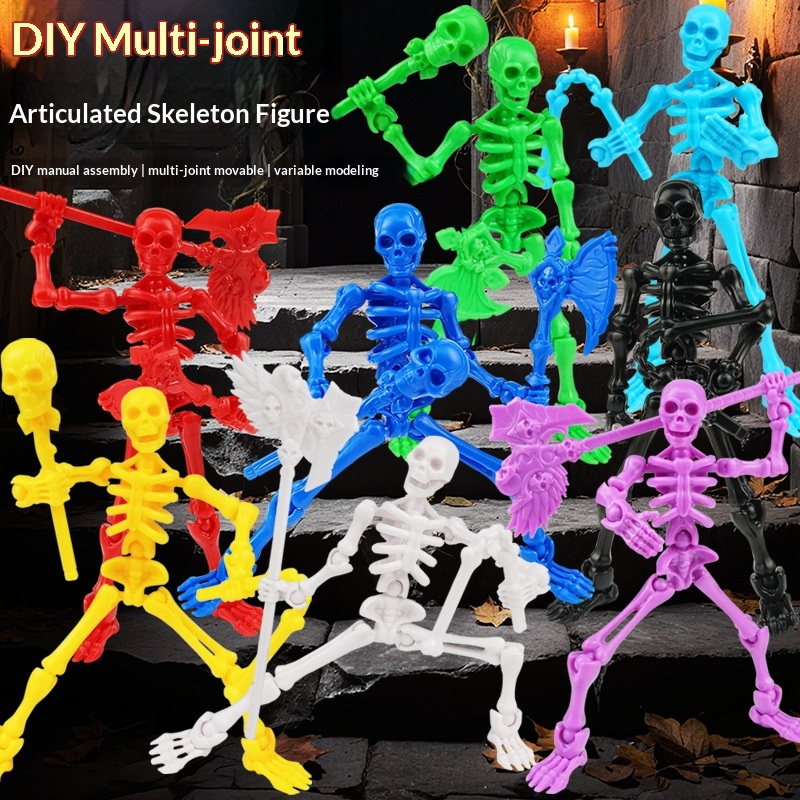
Hot-selling Plastic Multi-joint Movable Lucky Birthday Decoration Trendy Model Toy Assembly Action Figure 3D
Precision-jointed mechanical assembly offering 24-point articulation. Teaches biomechanical kinetics and geometry, widely distributed across Akihabara hobby shops and lifestyle gift chains.
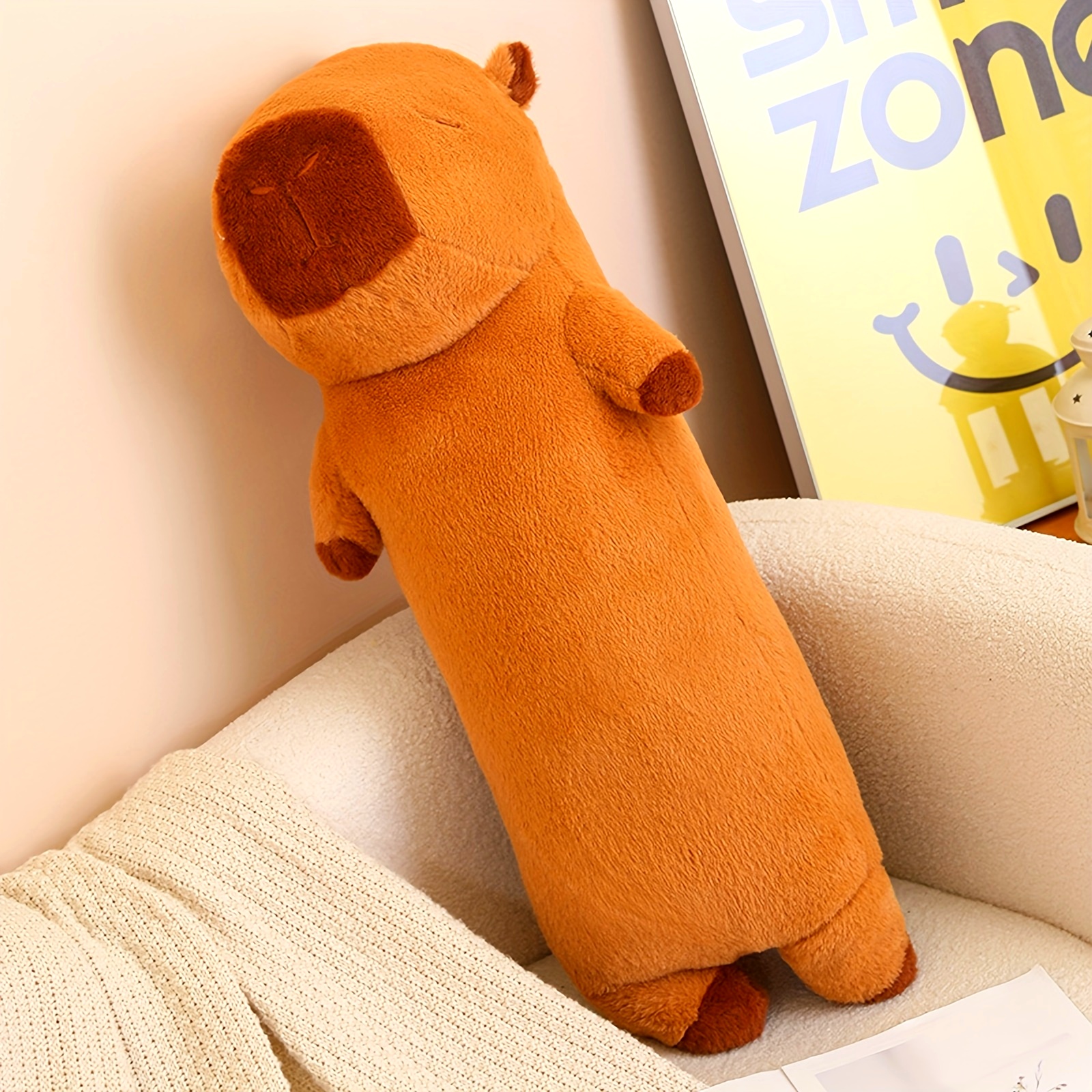
Akkun Extra-Long Capybara Plush Pillow-90cm/35.4in Light Brown Soft Stuffed Animal Body Pillow Realistic Cuddly Comfort Unisex
Ergonomic sensory calming pillow filled with virgin hypoallergenic hollow-fiber. Conforms to Tokyo nursery deep-pressure sleep protocols and emotional self-regulation play.
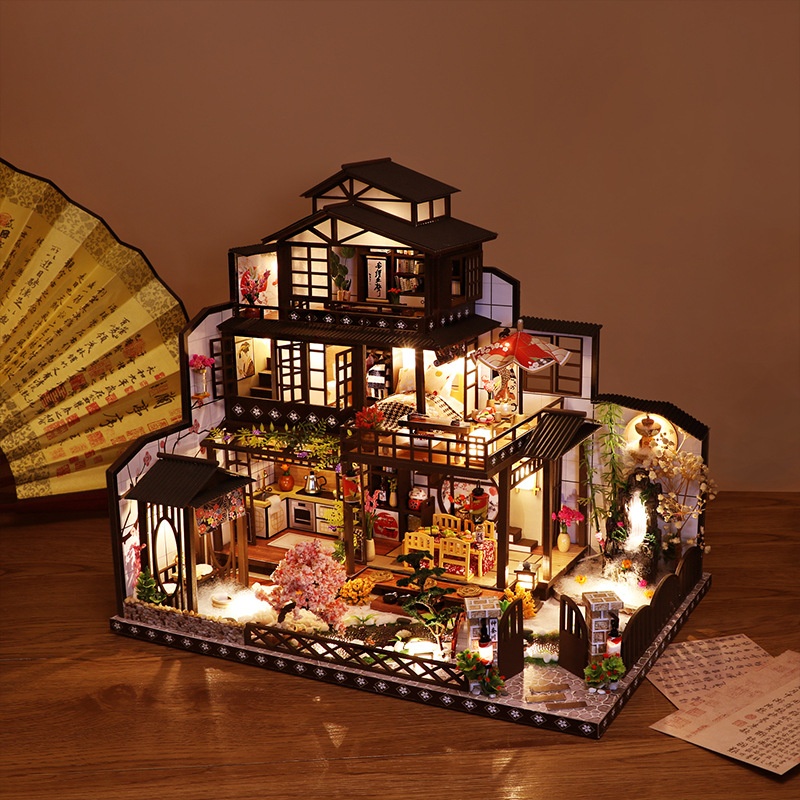
New DIY Wooden House Ancient Capital Moon Viewing Creative Retro Japanese Style Hand Assembled Building Model Villa Toy
Laser-cut basswood miniature replicating Edo-period timber architecture. Calibrated for intergenerational assembly, training fine motor precision and spatial visualization.
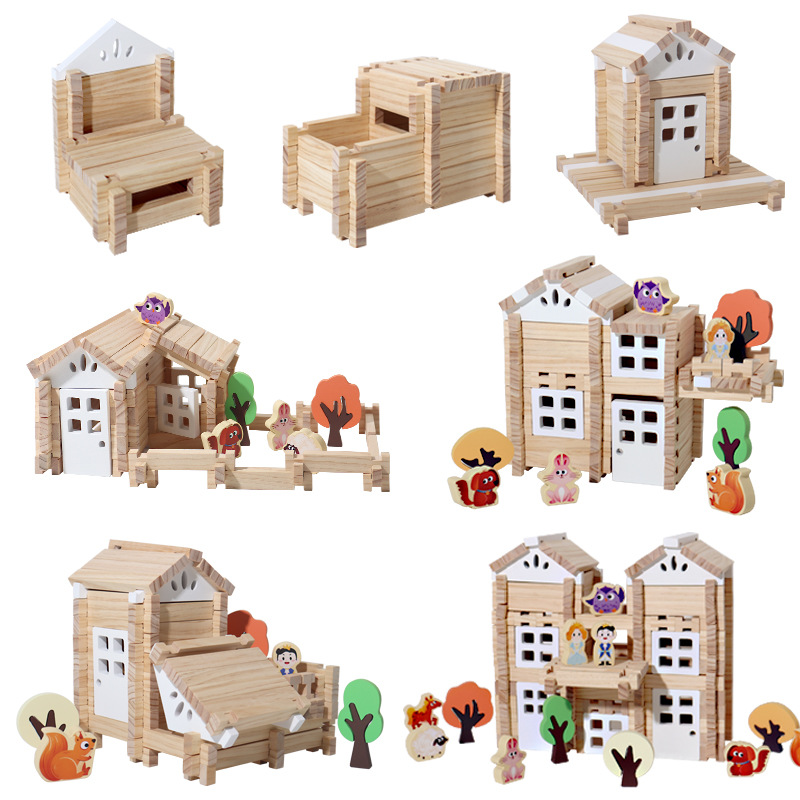
Little Architect Luban Mortise Tenon Structure Building Blocks Educational Assembled Original Wooden Building House for 4-6Y
Solid beechwood mortise-and-tenon structural interlocking kit. Designed without nails or toxic adhesives, teaching foundational architectural physics in Tokyo Montessori kindergartens.
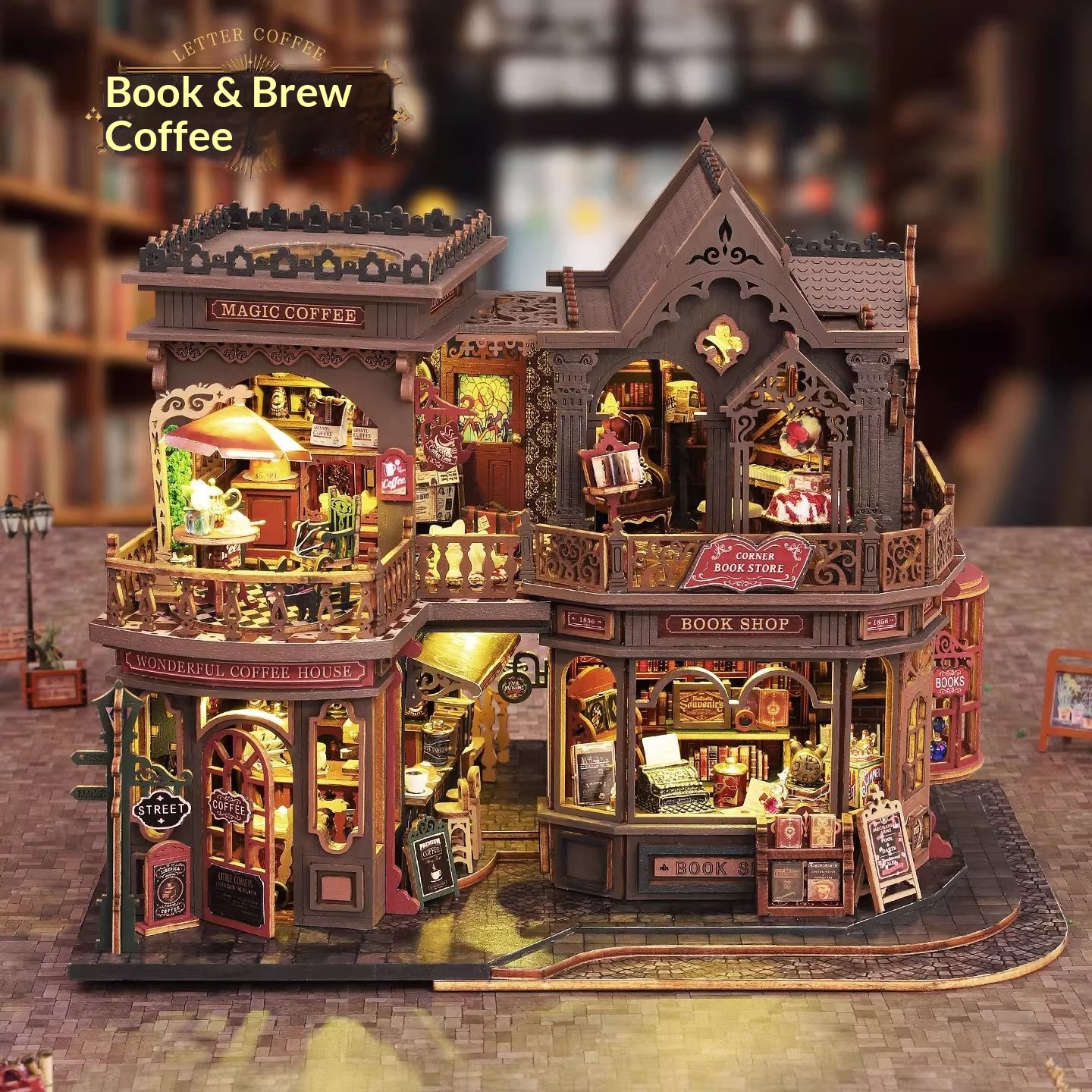
DIY Wood Cottage Book Letter Coffee Handmade Assembly Villa Model Decoration Exquisite Stress Relief Birthday Gift
Sensory assembly model integrating European coffeehouse aesthetics. Highly favoured by Kichijoji and Jiyugaoka specialty gift shops as a combined screen-free craft and interior book-stand art.
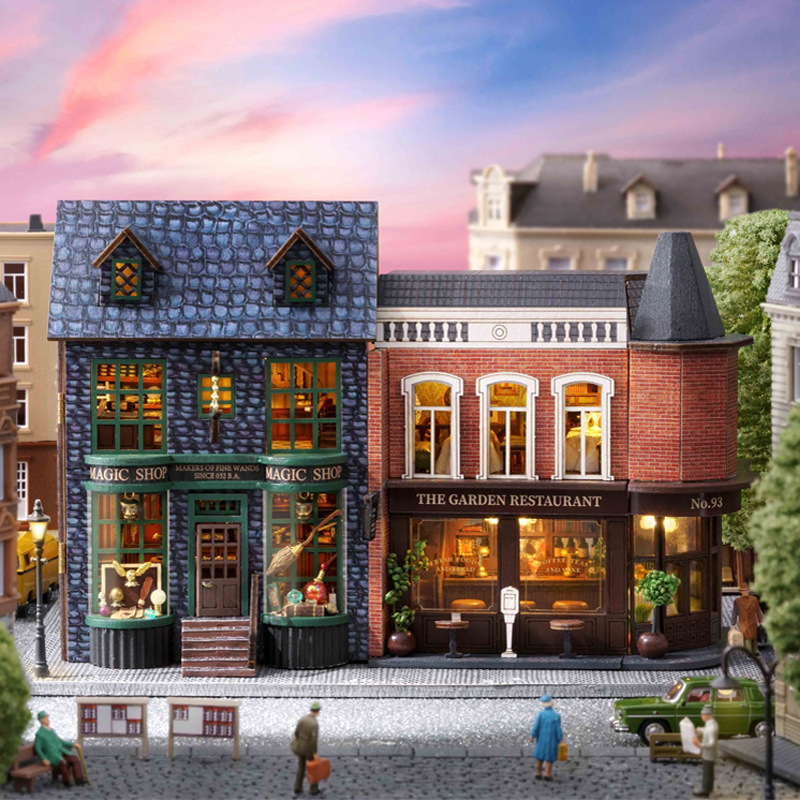
DIY Magic Book House Wooden Handmade Openable Multi-Level Color Box Packaging Rainbow Joy CE Certified Ages 7-14 Perfect Gift
Multi-tier fold-out miniature library featuring hidden mechanical compartments. Trains sequential assembly, spatial depth comprehension, and narrative engineering.
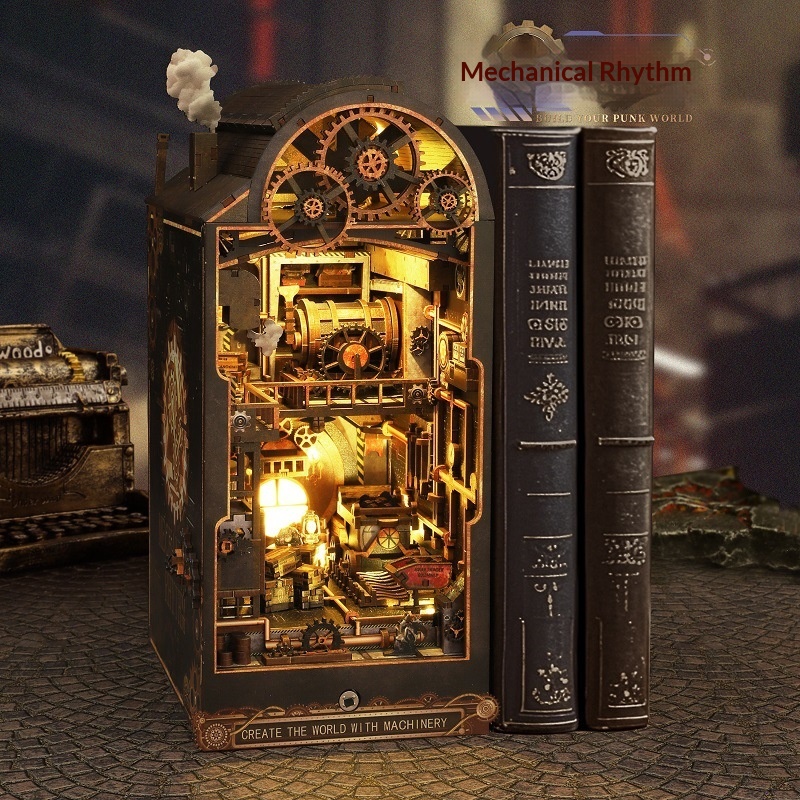
DIY Cottage Mechanical Rhythm 3D Assembled Wood Book Stand House Miniature Model Building Toy Color Box
Gear-driven mechanical rhythm miniature designed for standard Tokyo apartment bookshelves (under 240mm depth). Cultivates mechanical insight through transparent gear trains.
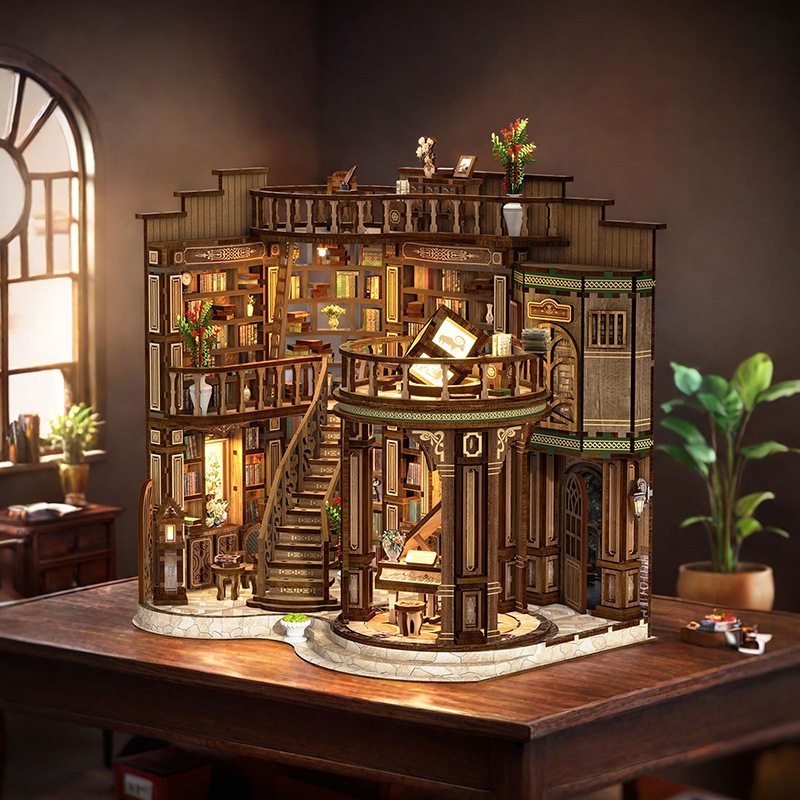
DIY Dream Bookstore 3D Hand-assembled Wood Building Model Creative Toy Gift for Women House Decoration
Intricately detailed 1:24 architectural diorama with miniature paper craft, wooden book stands, and ambient lighting. Sourced by Ginza and Omotesando lifestyle department stores.
Navigating the Tokyo Educational Playthings Market: Pedagogy, Density, and Safety
The Tokyo Metropolitan consumer base represents one of the world's most discerning, quality-sensitive, and safety-conscious markets for children's educational playthings. Driven by MEXT (Ministry of Education, Culture, Sports, Science and Technology) educational reforms emphasizing foundational STEAM competency, early childhood cognitive self-efficacy, and tactile screen-free immersion, institutional purchasers and retail merchandisers in Kanto face unique structural requirements. Sourcing managers cannot merely import generic overseas inventory; they must partner with manufacturing facilities that fundamentally understand the convergence of micro-tolerance engineering, Japanese regulatory compliance, and metropolitan lifestyle spatial limitations.
In Tokyo, where average condominium (Manshon) residential spaces range between 55 to 75 square meters in wards like Setagaya, Meguro, and Minato, educational playthings must respect physical footprint boundaries. Bulky, loud electronic plastic toys are steadily losing floor space in major outlets such as Ginza Mitsukoshi, Nihombashi Takashimaya, and Tokyu Hands to heirloom-grade, acoustic-dampening wooden architectural models, interlocking mortise-and-tenon puzzle blocks, and modular STEM kits that pack neatly into modular Japanese storage cabinetry (such as standard Ryohin Keikaku/Muji cube shelving).
Top 10 Factory Benchmark Pillars for Tokyo Educational Toy Importers
Evaluating OEM/ODM manufacturing capability requires measuring beyond baseline unit cost. Below is the 10-pillar operational index used by leading Japanese trading companies and institutional toy buyers.
1. ST-2024 Mechanical Safety
Strict testing for zero sharp burrs, edge chamfer radii exceeding 1.5mm, drop-impact resilience, and absolute choking hazard compliance under 31.7mm cylinder parameters.
2. Article 62 Food Sanitation Act
Saliva-leaching and oral extraction testing for all toys marketed for children under 6. Strict prohibition of heavy metals (lead, cadmium, barium) and endocrine-disrupting phthalates.
3. Precision CNC Kigumi Joinery
Micro-tolerances within ±0.05mm. Mortise-and-tenon structural components must seat seamlessly despite Tokyo's seasonal humidity swings between winter and summer.
4. Compact Spatial Ergonomics
Flat-pack packaging footprint optimized for Tokyo apartment living. Disassembled components must store within slim profiles without sacrificing structural rigidity once assembled.
5. JIS F-Four-Star Low Formaldehyde
Adhesives and composite plywood must satisfy Japan Industrial Standards (JIS) F☆☆☆☆ emission thresholds, eliminating volatile organic chemical (VOC) off-gassing indoors.
6. Low MOQ Pilot Agility
Entry MOQs starting from 2 to 20 units per SKU. Enables Tokyo boutique retailers to test niche educational SKUs on Rakuten and Yahoo! Shopping before committing full sea containers.
7. Full Japanese Documentation
In-house localization team providing bilingual Kanji/Hiragana instructional manuals, age safety symbols, and Japanese distributor label templates ready for domestic retail shelves.
8. FSC Timber Traceability
100% sustainably harvested European beech, Russian basswood, and pine. Verifiable Chain of Custody (CoC) certification matching modern Japanese consumer environmental ethics.
9. 0.3% Defect Quality Control
A rigorous 6-stage raw material, inline machining, and post-assembly inspection protocol ensuring near-zero returns—critical for maintaining supplier standing in Japanese department stores.
10. Tokyo Bay Multi-Modal Freight
Direct consolidated maritime routes from Ningbo-Zhoushan to Tokyo Bay (Oi/Aomi Terminals) and Yokohama Port within 4 to 6 transit days, safeguarding seasonal holiday delivery dates.
Hangzhou Aitoybots Trading Co., Ltd.: Master Craftsmanship from 2011 to Tokyo
Combining time-tested mortise-and-tenon heritage with advanced robotic CNC milling to engineer heirloom educational playthings for global educators and discerning Asian markets.
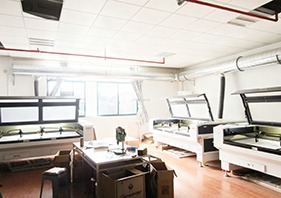
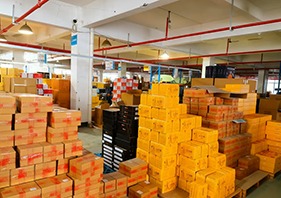
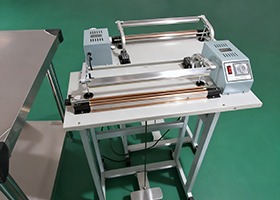
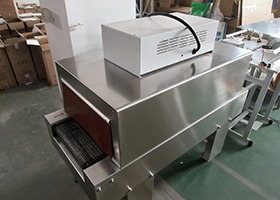
Founded on the artisan foundations of a dedicated Jinhua woodworking workshop established in 2011, Hangzhou Aitoybots Trading Co., Ltd. has evolved into a premier B2B manufacturer and exporter of cognitive playthings, wooden logic puzzles, mortise-and-tenon building kits, and biomimetic STEM assemblies. With over 80% of our core production historically serving rigorous regulatory markets across Europe, North America, and Japan, our enterprise bridges centuries-old joinery wisdom with next-generation automated production.
Unlike conventional contract factories that rely on subcontracted finishing and variable timber batches, Aitoybots oversees an integrated vertically managed supply chain: from kiln-drying sustainably sourced European beech and Nordic basswood to multi-axis laser cutting, computerized chamfering, non-toxic water-based spray dipping, and full pre-export inspection. Our factory defect rate has remained consistently under 0.3%, supported by a 6-tier quality checkpoint system that satisfies CE, EN71, ASTM F963, and Japan ST Mark standards simultaneously.
| Evaluation Parameter | Aitoybots Factory Standard | Generic Overseas Toy Supplier | Tokyo Importer Strategic Benefit |
|---|---|---|---|
| Mechanical Safety & Edge Finishing | R ≥ 1.5mm Chamfer / 0 Burrs | Raw tumble-polished, micro-splinters | Zero ST-Mark return liability in Japanese stores |
| Plywood & Adhesive Emissions | JIS F☆☆☆☆ Ultra-Low VOC | E1 or uncertified industrial glue | Safe for unventilated Tokyo indoor nursery spaces |
| Joinery Precision | ±0.05mm CNC Micro-Milling | ±0.35mm Blade Stamping | Reliable assembly fit despite humid summer conditions |
| Minimum Order Quantity (MOQ) | 2 to 20 Pieces / SKU | 500 to 2,000 Pieces / SKU | Agile capital deployment; rapid seasonal SKU testing |
| Transit Time to Tokyo Bay | 4–6 Days Direct Ningbo-Tokyo | 14–25 Days with Transshipment | Responsive stock replenishment during peak Q4 sales |
| Documentation Localization | Bilingual Japanese / English | English-only generic inserts | Instant retail packaging compliance in Japan |
Localized Application Scenarios Across Metropolitan Tokyo
How Aitoybots educational playthings are deployed across institutional, specialty retail, and home environments throughout the 23 Wards and the Kanto region.
Tokyo Accredited Daycares (Hoikuen)
Installed in premium licensed nurseries in Minato, Chiyoda, and Shibuya. Mortise-and-tenon Luban blocks develop toddler fine motor coordination, tactile sensory discrimination, and collaborative constructive play without auditory disturbance.
STEM After-School Academies (Juku)
Utilized by progressive robotics learning centers around Ochanomizu and Kanda. Kinetic movable assemblies and gear-driven models bridge mechanical physics with hands-on kinesthetic problem-solving, preparing students for engineering streams.
Department Store Toy Salons
Curated by specialty buyers at Ginza Mitsukoshi, Shinjuku Isetan, and Nihombashi Takashimaya for the lucrative "Mago-biyori" (grandparents buying high-end gifts for grandchildren) seasonal gifting holidays (Shichi-Go-San, Kodomo no Hi).
Adult "Kidult" Hobby & Book Nooks
Featured in trendy lifestyle outlets in Daikanyama T-Site, Shimokitazawa, and Nakano Broadway. Miniature 3D bookstores and cottages serve dual functions as stress-relieving assembly craft and stylish Tokyo apartment décor.
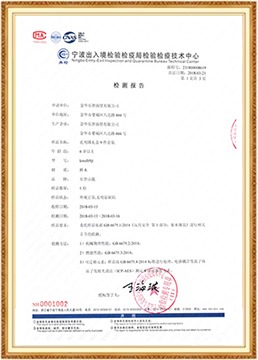
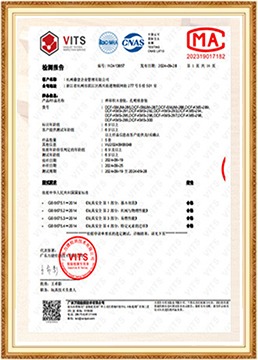
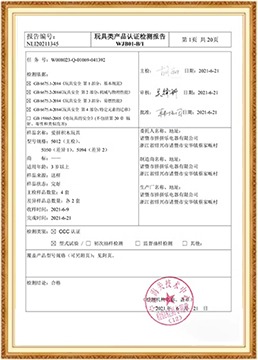
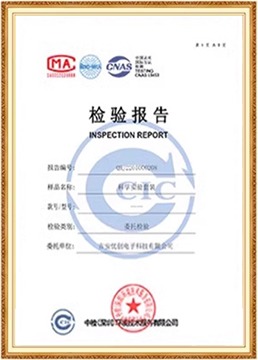
Audited Testing & Compliance Documentation
Complete laboratory verification reports provided with every commercial invoice, guaranteeing smooth Tokyo customs clearance and immediate marketplace authorization.
Tokyo Importers & Sourcing Managers FAQ
Clear, definitive operational guidance covering Japanese safety certification, shipping logistics, and private-label customization.
How does Aitoybots facilitate ST Mark and Japan Food Sanitation Act customs clearance?
All raw woods, non-toxic waterborne acrylics, and ABS polymers used in our educational toys undergo laboratory batch-testing for lead, cadmium, phthalates, and formaldehyde. For toys targeted at infants and toddlers under 6, we supply complete formulation disclosures, raw material safety data sheets (MSDS), and pre-export laboratory test records to ensure full compliance with Article 62 of the Japan Food Sanitation Law upon arrival at Tokyo or Yokohama customs.
What are the minimum order quantities (MOQ) for Tokyo boutique and e-commerce retailers?
To support agile inventory testing across Rakuten Japan, Amazon.co.jp, and independent Kanto toy boutiques, our standard catalog items require a low entry MOQ of only 2 to 20 units per SKU. For custom OEM/ODM packaging, Japanese instruction manual inserts, and private-label branding, project-specific thresholds typically start at 500 units with complete pre-production physical prototypes dispatched within 7 business days.
What is the typical maritime and air lead time from factory dispatch to Tokyo Bay?
Our average manufacturing production cycle is approximately 30 calendar days from sample sign-off. Direct sea freight from Ningbo-Zhoushan Port to Tokyo Bay (Oi Container Terminal or Aomi Container Terminal) or Yokohama Port takes only 4 to 6 transit days. For urgent seasonal promotions or holiday stock replenishments, consolidated air freight to Narita (NRT) or Haneda (HND) airports takes 24 to 48 hours from customs release.
How do you guarantee timber dimensional stability during Tokyo's humid summers and dry winters?
We source only high-grade, FSC-certified Russian basswood, European beechwood, and select pine that undergoes controlled multi-stage kiln drying to achieve a stable equilibrium moisture content of 8% to 11%. This rigorous thermal conditioning prevents post-machining warping, expansion, or shrinkage, ensuring that precision mortise-and-tenon structural tolerances (±0.05mm) fit effortlessly across all four Japanese seasons.
Can Aitoybots provide full Japanese retail packaging and translation localization?
Yes. Our in-house creative design and engineering teams provide turnkey localization services. We format your packaging graphics with authentic Japanese typography, clear kanji/furigana text hierarchies, required safety warning icons, domestic distributor barcode formats (JAN/EAN-13), and compliant recycling symbols (Pla/Paper marks), eliminating packaging rework upon import.
How does Aitoybots support Tokyo buyers against currency exchange volatility (JPY/USD)?
We work collaboratively with long-term Japanese distribution partners through flexible multi-currency settlement options (including USD, EUR, and direct RMB settling), price lock-in agreements during scheduled volume production quarters, and tiered volume rebate structures that protect importer operating margins against foreign exchange fluctuations.
Experienced Export Account Managers for the Japanese Market
Our bilingual trade specialists manage sampling, laboratory test documentation, packaging proofs, and container logistics end-to-end.

Specializes in wooden architectural puzzles and Montessori preschool tenders.

Manages ST-2024 audits, chemical safety documentation, and customs filing.

Oversees robotic, kinetic action figures, and spatial book stand lines.

Coordinates expedited shipping to Tokyo Bay, customs clearance, and FOB terms.
Request Complete 2025 Toy Wholesale Catalog & Factory Quotation
Connect directly with Hangzhou Aitoybots production engineers and account managers. Receive full laboratory safety certificates, high-resolution product imagery, Japanese translation die-lines, and volume CIF Tokyo freight tables.