Featured Mechanical & 3D Assembly Brain Teasers
Export-ready miniature architectural locks, interlocking timber joinery kits, and cognitive models compliant with EN71, CE, and ASTM F963 international toy standards.
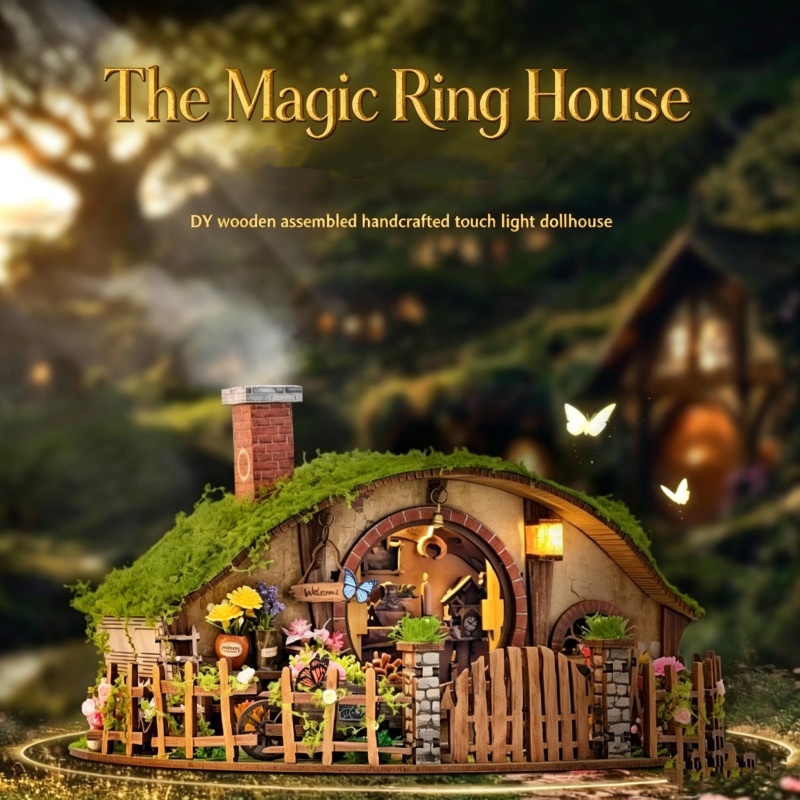
Whale Empty Illusion Ring DIY 3D Stereoscopic Wooden Assembly Model
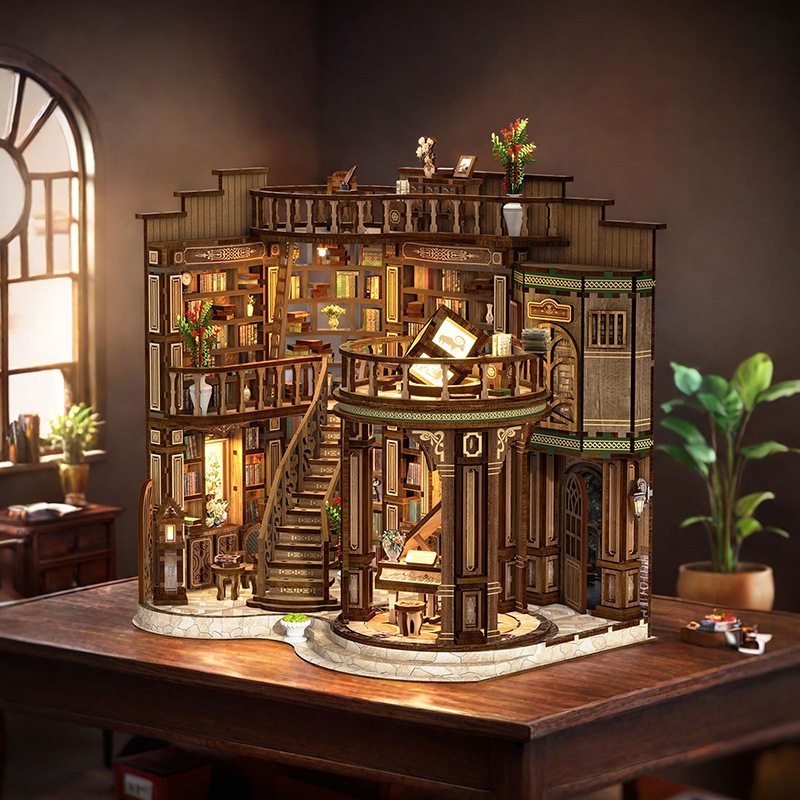
DIY Dream Bookstore 3D Hand-assembled Wood Building Model Creative Toy
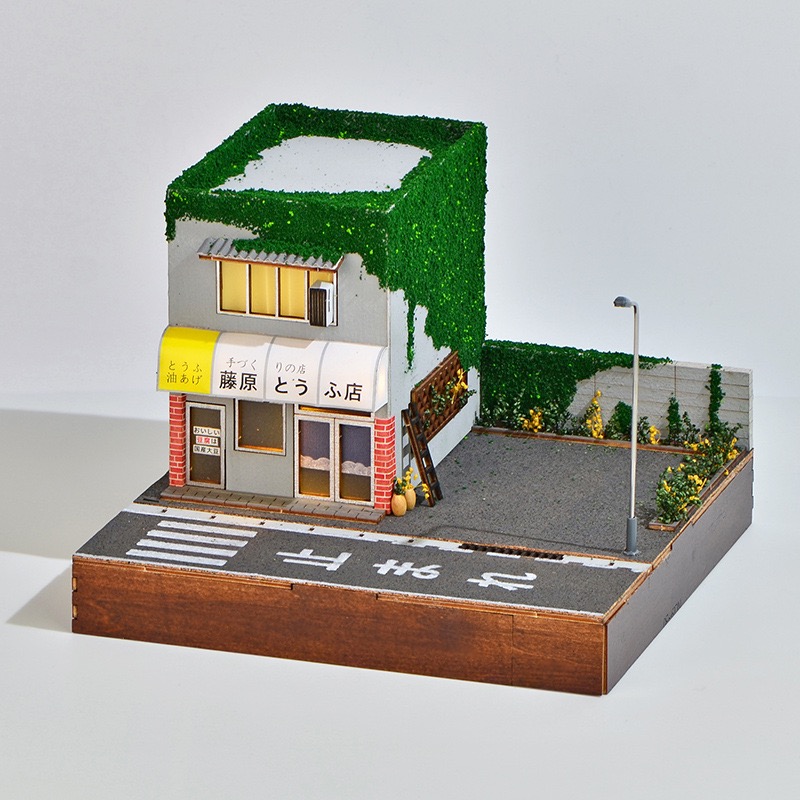
1:64 Scale Miniature Wood Assembly Tofu Shop Street Scene Model
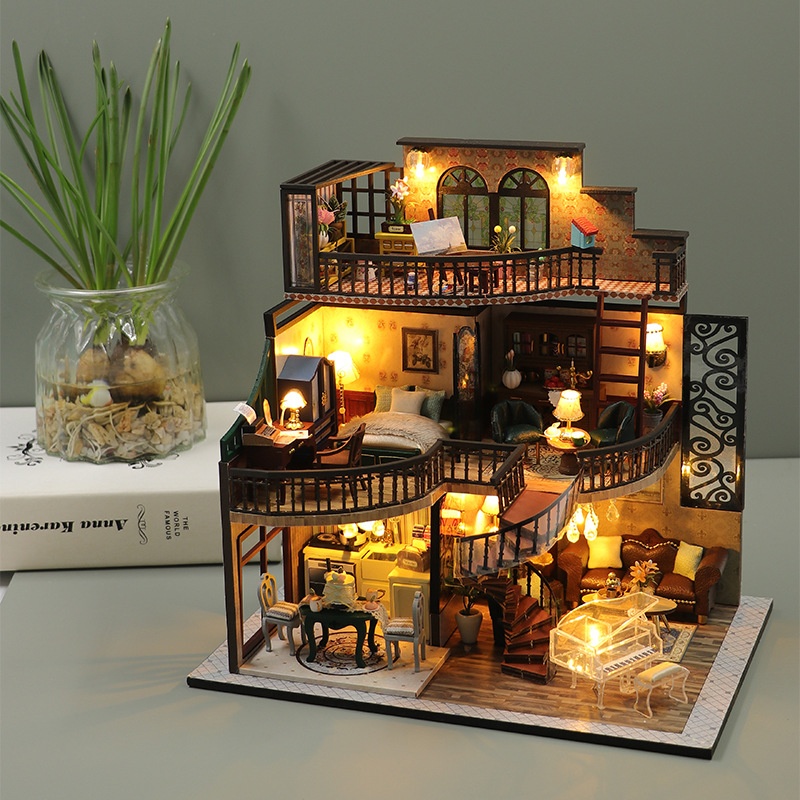
DIY Wooden 3D Puzzle Three-story Loft Apartment Vintage Building Model
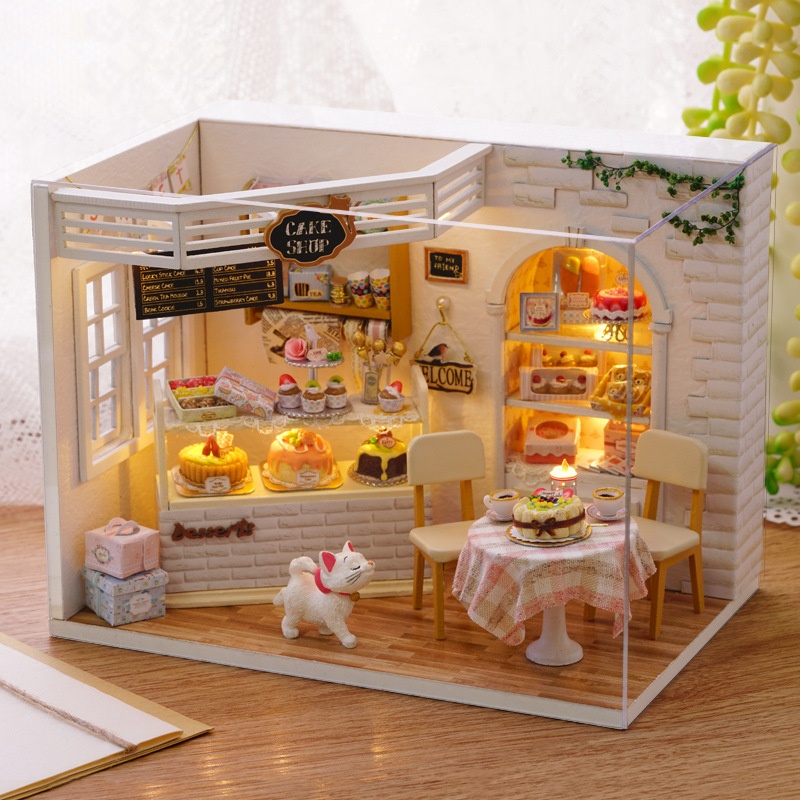
Smart Fun House DIY Cake Diary Cottage Wooden Assembly Gift
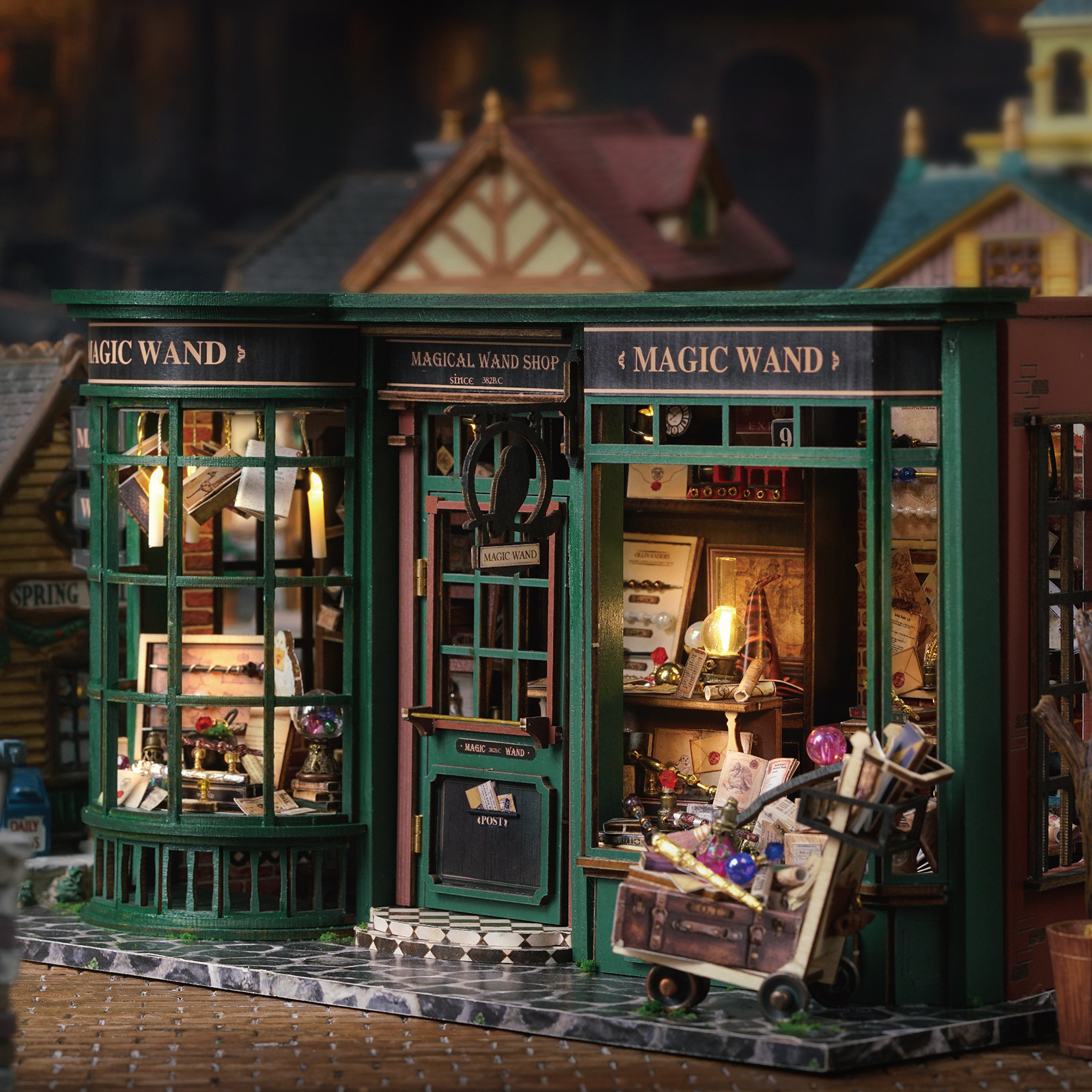
Wooden Miniature House DIY Magic Retro Handmade Assembled Model
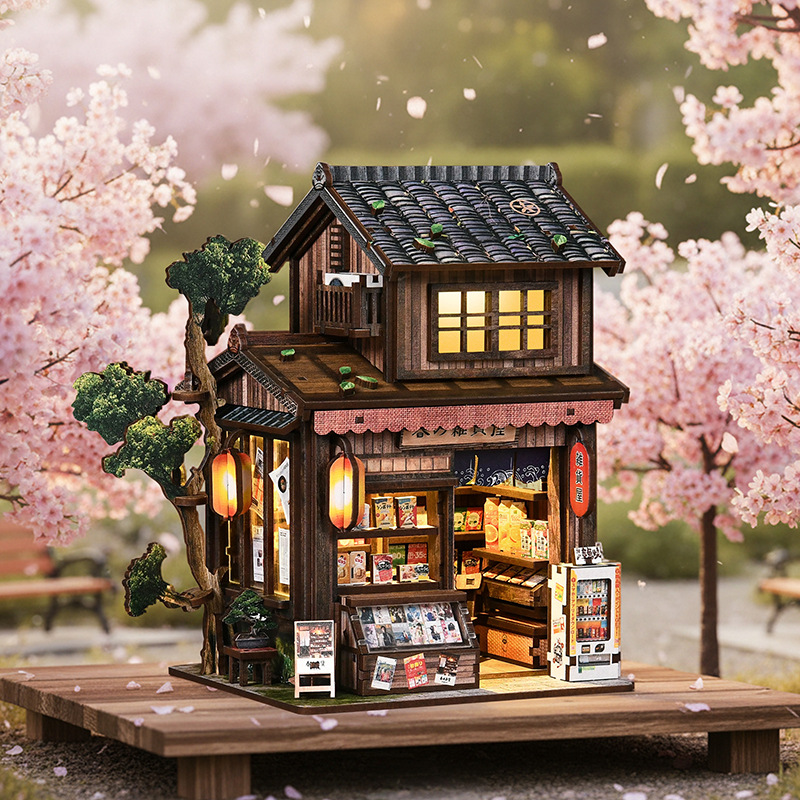
Hut DIY Spring Day Grocery Store 3D Wood Assembly Building Model
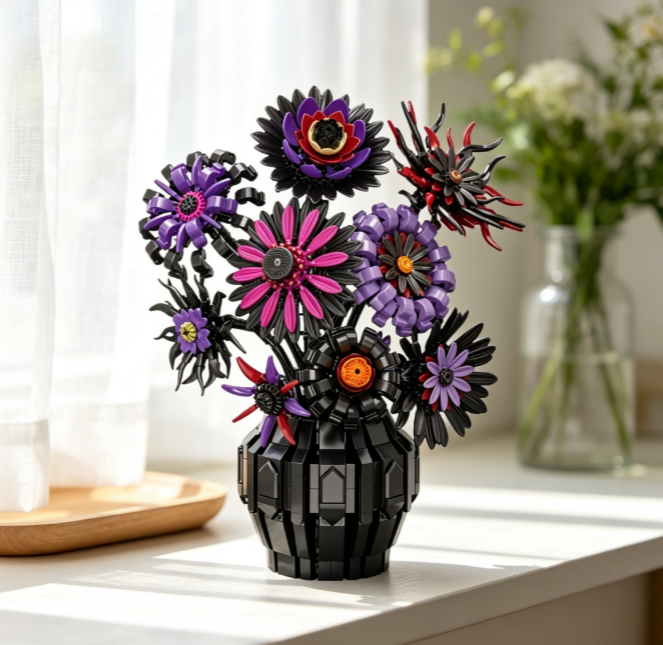
40 Piece Sunflower Building Blocks Interlocking Construction Toy Set
1. The Strategic Landscape of Ancient Lock Puzzle Procurement in Kuala Lumpur
Kuala Lumpur, functioning as the primary commercial nexus of Peninsular Malaysia, is observing a massive structural transition across its educational and novelty retail sectors. Driven by urban consumer demand in high-density retail centers such as Mid Valley Megamall, Pavilion KL, and 1 Utama, commercial toy procurement agents are systematically diversifying away from generic plastic novelties toward high-retention, tactile learning instruments. The category colloquially known as ancient lock puzzles—encompassing traditional Luban locks (鲁班锁), Kongming locks (孔明锁), traditional mortise-and-tenon (榫卯, Sunmao) mechanical brain teasers, and multi-layered spatial disassembly cubes—occupies a distinct position bridging cultural legacy, spatial reasoning, and heirloom interior decor.
For procurement officers, school purchasing boards, and boutique hobby shop distributors operating in the Klang Valley, sourcing from verified tier-1 manufacturing hubs in China provides unmatched economies of scale and technical precision. The interlocking geometry of mortise-and-tenon locks requires micro-tolerances often strictly maintained within ±0.05 mm. If tolerances deviate beyond this limit, tropical environmental factors—specifically Malaysia's persistent equatorial humidity ranging between 75% and 90%—cause localized grain swelling, permanently binding the internal lock bars or inducing structural joint splitting. Consequently, identifying verified manufacturing partners who employ multi-stage kiln drying, sealed non-toxic botanical lacquering, and automated computer numerical control (CNC) micro-milling is critical to mitigating post-import product recalls.
2. Criteria for Selecting the Top 10 Ancient Lock Puzzle Factories for Kuala Lumpur Importers
To establish an institutional-grade vendor benchmark, commercial procurement directors must audit prospective manufacturers through five stringent dimensions designed to safeguard margin, delivery velocity, and product safety:
Hygroscopic Wood Conditioning
Timber drying protocols tailored to reduce initial wood moisture content (MC) to 8%–10% before CNC machining, preventing swelling and joint jamming in Kuala Lumpur's tropical climate.
Global Compliance Verification
Factory audits verifying active CE, EN71-1/2/3, and ASTM F963 lab certificates, ensuring seamless customs clearance at Port Klang without confiscation or hazardous coating warnings.
Agile Customization & Low MOQs
Facilities supporting rapid prototyping, private-label packaging inserts in dual English-Malay format, and low baseline MOQs (from 2 to 20 pieces) to test local retail velocity safely.
3. Localized Application Scenarios Across Greater Kuala Lumpur & Selangor
The consumer footprint of Kongming locks, mortise-and-tenon architectural assemblies, and wooden mechanical kits in Malaysia branches across several commercial sub-sectors:
Private and International School STEM Curriculums: International academies across Mont Kiara, Bangsar, and Subang Jaya are aggressively integrating physical, screen-free tactile puzzles into their STEAM (Science, Technology, Engineering, Arts, and Mathematics) curricula. Luban lock mechanisms serve as empirical instructional models for Newtonian force distribution, architectural shear strength, and spatial geometry without relying on single-use glues or synthetic adhesives.
Corporate Wellness, Teambuilding, and Executive Gifting: Financial institutions, multinational headquarters in KLCC and TRX, and corporate law agencies regularly commission tailored wooden lock sets. Packaged in customized debossed timber gift boxes, these puzzles function as symbolic executive challenges representing collaboration, strategic disassembly, and patient lateral thinking.
Tourism and Cultural Heritage Retailers: Heritage shops across Central Market (Pasar Seni), Chinatown (Petaling Street), and the artisan boutiques of George Town and Melaka utilize ancient interlocking locks to attract international and domestic tourists. Offering traditional puzzles packaged alongside descriptive historical narratives creates high-margin souvenirs with enduring cultural value.
4. Strategic Trends Shaping the Malaysian Educational Wooden Toy Trade
Three emerging trajectories define forward-looking sourcing initiatives in Malaysia's educational toy sector:
Digital Detox & Mindful Living
Urban parents in Malaysia are actively seeking sensory tactile alternatives to tablet screens, driving rapid growth in hands-on miniature building models, lock cages, and wooden knot logic sets.
Hybrid Mechanical Innovation
Traditional mortise-and-tenon carpentry is merging with modern miniature dioramas, creative bookstores, and mechanical gear puzzles, expanding the target demographic from young kids to adult hobbyists.
Sustainable & Circular Sourcing
Retail chains are requiring proof of sustainable timber extraction (FSC-certified beech, basswood, and birchwood) combined with organic non-VOC plant-based sealants to meet strict ESG retail criteria.
5. Enterprise Production Architecture & Aitoybots Operational Advantage
Founded in 2011 from an artisanal woodworking workshop in Jinhua and now headquartered with global distribution in Hangzhou, Hangzhou Aitoybots Trading Co., Ltd. represents the gold standard in precision puzzle manufacturing. Having engineered over 5,000,000 educational toys for demanding commercial buyers in Western Europe, Scandinavia, and North America, Aitoybots brings industrial-grade manufacturing discipline to Malaysian importers:
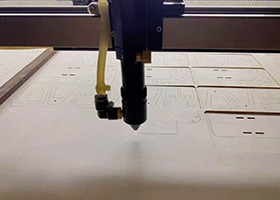
Proven Scale & Delivery
Over 5 million high-precision units shipped worldwide with comprehensive CE, EN71, and ASTM lab test documentation.
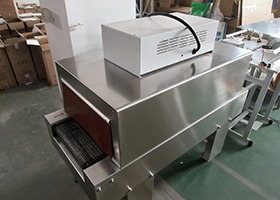
Sustainably Sourced Wood
Heirloom-grade natural timbers treated with non-toxic waterborne finishes, matching traditional joinery with clean durability.
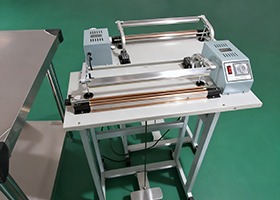
Six-Stage Quality Control
Strict internal inspection yields an industry-leading 0.3% defect rate, guaranteeing smooth interlocking puzzle mechanics.
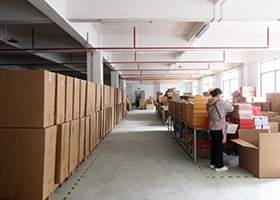
Reliable Port Klang Logistics
Predictable 30-day production cycles and direct consolidated sea and air freight routing into West Malaysia hubs.