Otona No Asobi / Desktop Decompression
Precision Engineering, ST Toy Safety Standards, and Heirloom Craftsmanship for Japanese Retailers, Lifestyle Chains, and B2B Importers
Engineered with zero-formaldehyde basswood, snap-fit mortise joinery, and micro-precision cutting to meet high Japanese retail benchmarks.
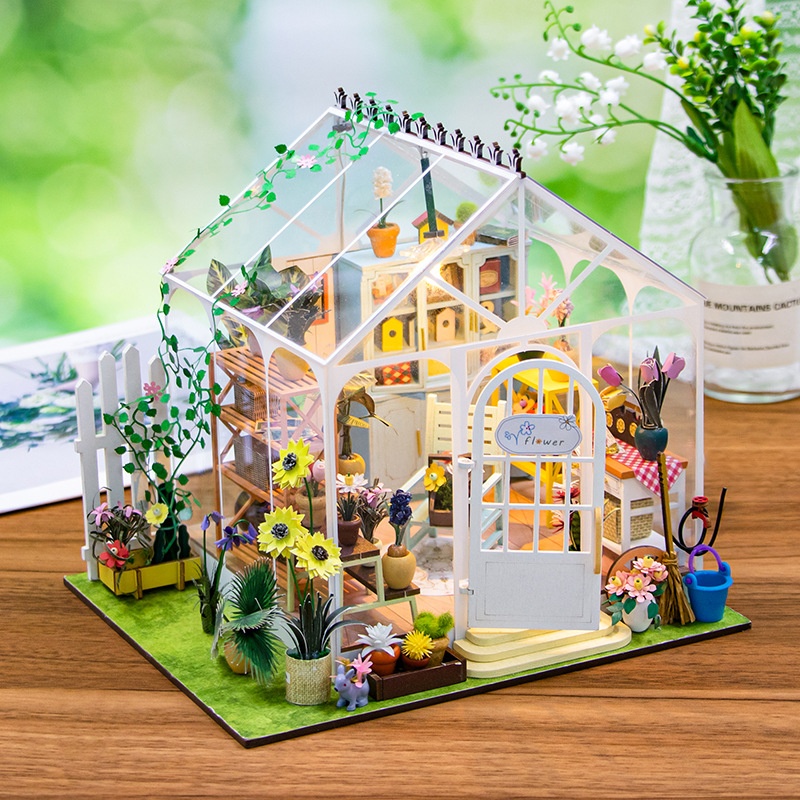
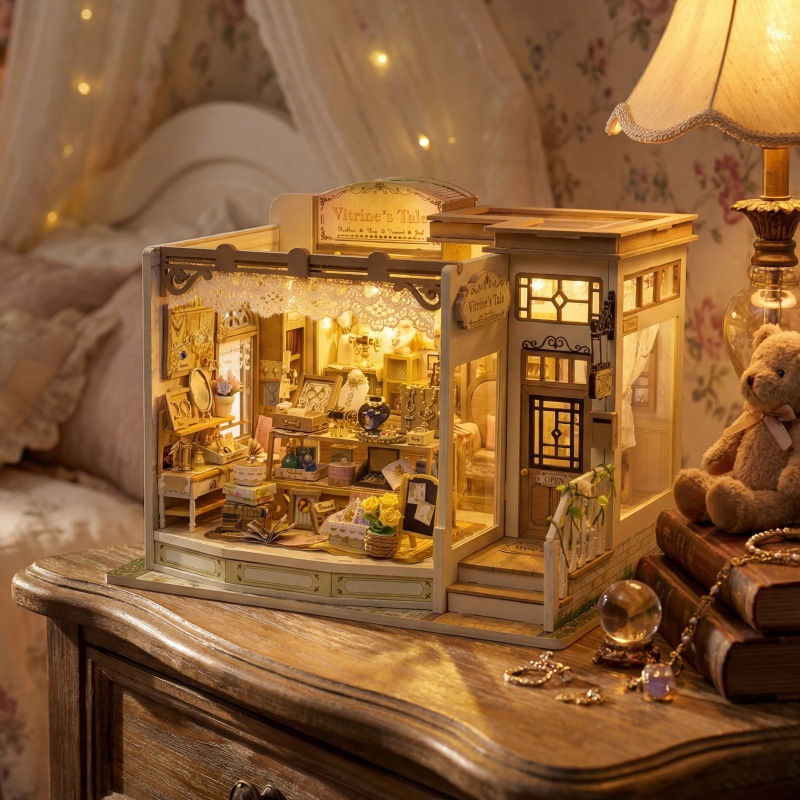
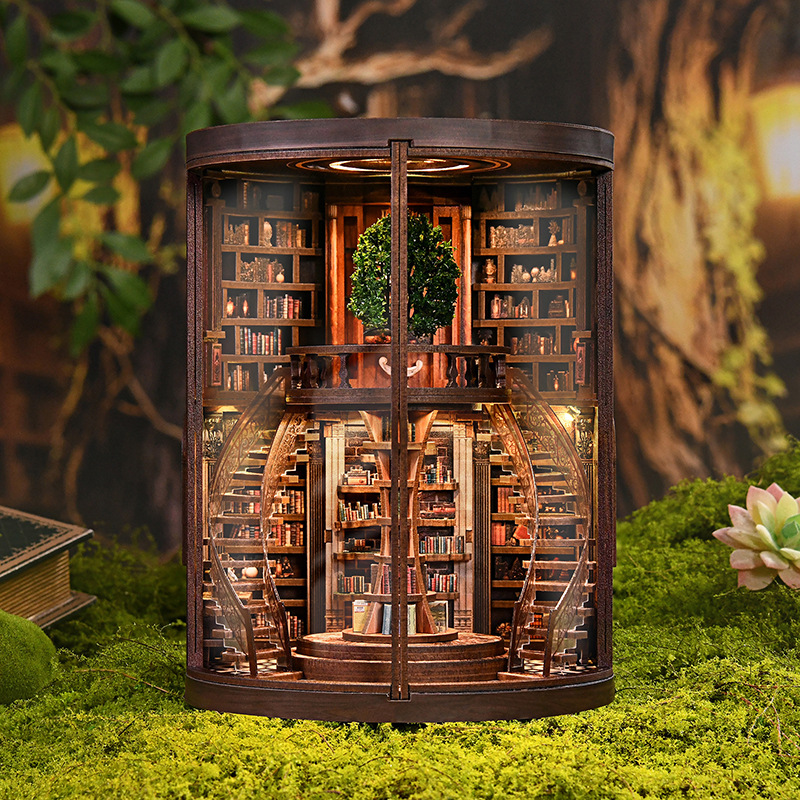
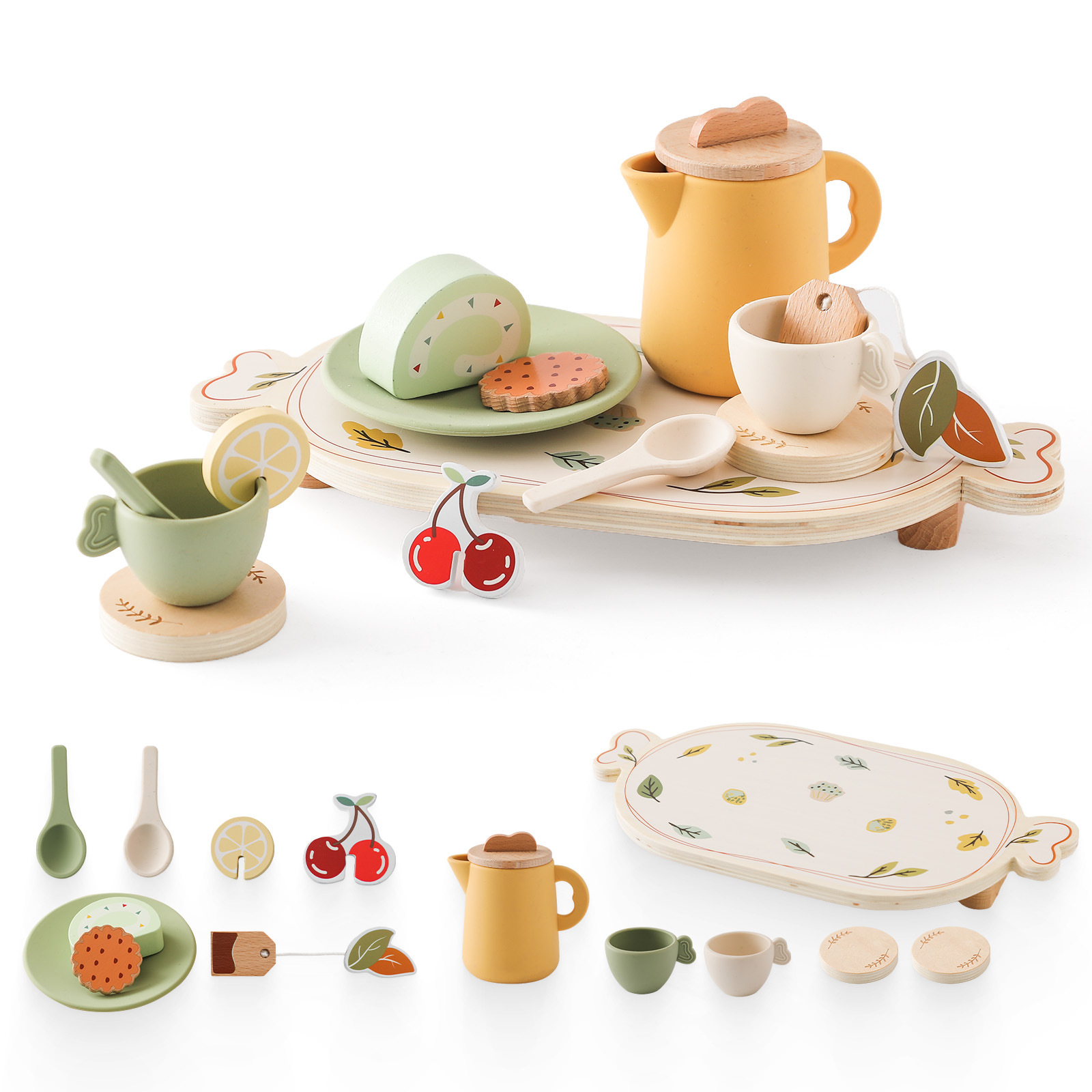
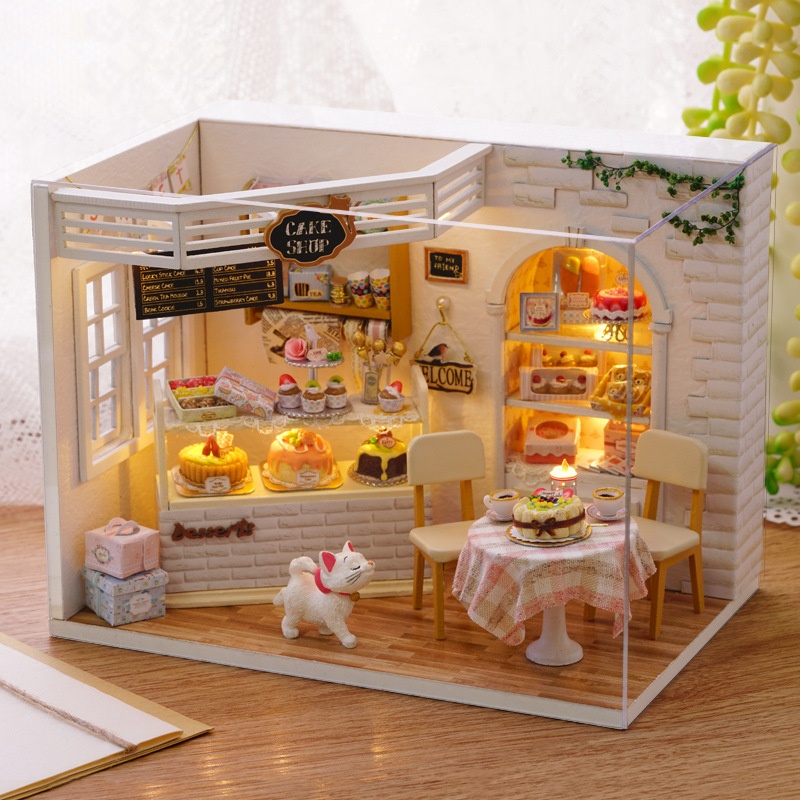
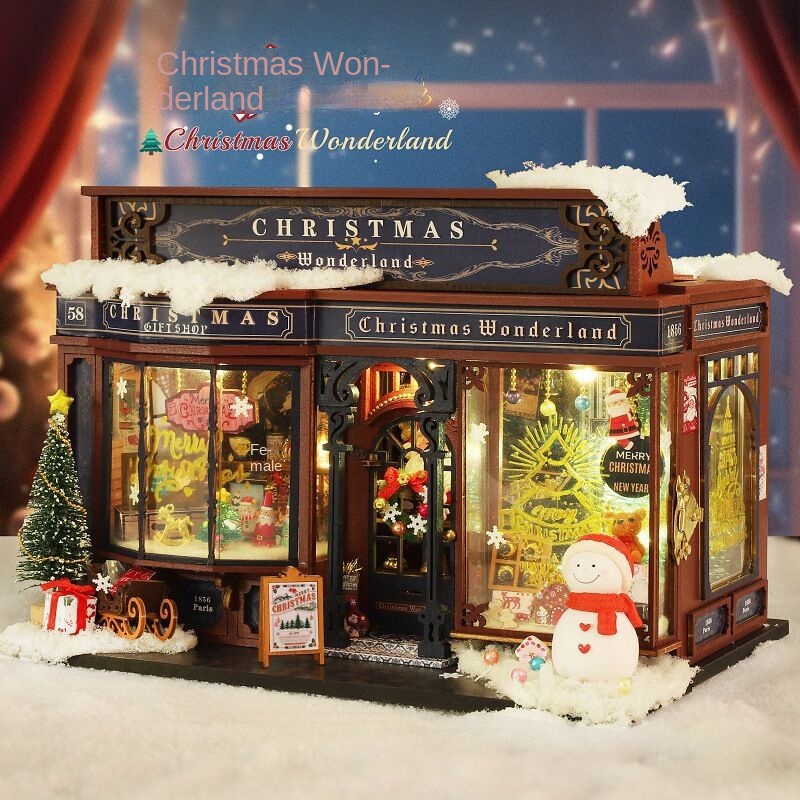
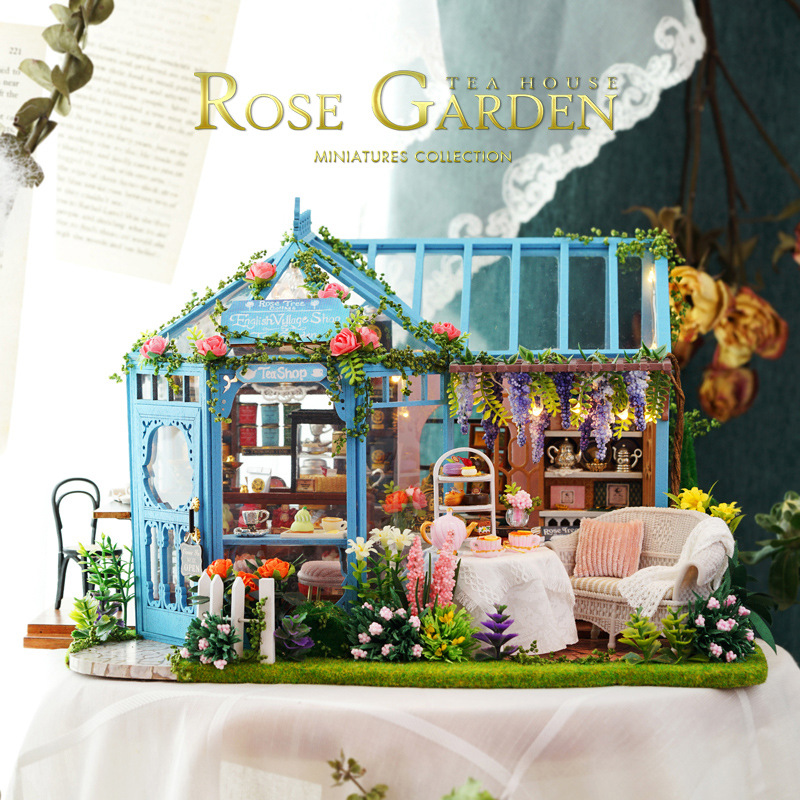
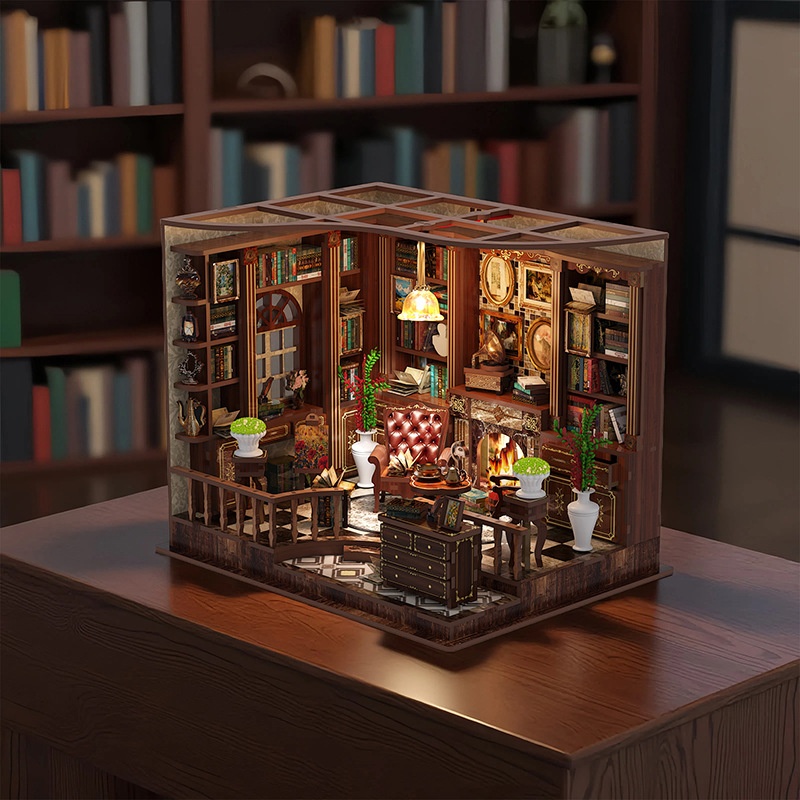
How our creative assembly products serve the unique consumer dynamics, spatial constraints, and educational values of Japan.
Given the high-stress urban workplace in Tokyo, Osaka, and Nagoya, miniature dioramas like the Left Bank Study Cottage and Rose Garden Tea House function as creative decompression tools. Compact footprints (under 25cm) align seamlessly with contemporary 1K/1DK residential spaces and corporate office desks.
Under MEXT's ongoing GIGA School digital learning initiatives, educators deliberately integrate tactile, analog assembly kits to cultivate fine-motor skills and spatial reasoning. Our snap-together architectural kits teach the foundational physics of load balancing, interlocking tension, and structural symmetry without screen reliance.
With Japan's super-aged society, toys that bridge generational divides are prioritized in GMS centers like Aeon and Ito-Yokado. Grandparents, parents, and children collaborate to assemble complex structures, preserving traditional appreciation for wooden carpentry through modern, accessible building blocks.
Market intelligence for Japanese category managers, toy importers, and specialty lifestyle buyers.
Data from the Japan Toy Association (JTA) confirms steady expansion in the domestic toy market, driven disproportionately by the adult collector market (Kidult demographic) and premium educational toys. As birthrates consolidate, average spending per child (the "Six Pockets" phenomenon involving parents and both pairs of grandparents) has reached historic highs. Japanese consumers now favor durable, natural-grain wood products that adhere to strict chemical non-toxicity standards.
Modern consumers actively avoid petroleum-heavy, single-use plastics, creating sustained demand for FSC-certified wood and traditional mortise-and-tenon mechanics.
Creative play sets are expanding beyond traditional toy departments into lifestyle lifestyle boutiques like Tokyu Hands, Loft, Tsutaya Books, and select interior galleries.
Stringent enforcement of Japan’s Food Sanitation Act (JFSL) means color pigments, wood glues, and varnishes must pass rigorous heavy metal and formaldehyde testing.
We combine modern robotic manufacturing precision with the heritage woodworking traditions of Zhejiang.
Japanese retail leaves no margin for missing pieces or wood burrs. Our factory deploys high-speed laser cutting accurate within ±0.05mm, combined with automated optical counting and tactile chamfer inspection to guarantee flawless assembly right out of the box.
We understand the cautious pilot-testing required by Japanese distributors. Starting from low MOQs (from 2 to 20 pieces for standard catalog items), we facilitate custom Japanese-language packaging, barcode labeling (JAN codes), and color modifications for rapid localization.
Our raw materials conform with EN71, ASTM F963, and the Japan Safety Toy (ST) standard. Non-toxic water-based paints, formaldehyde-free adhesives, and smooth rounded-edge treatments guarantee peace of mind through customs clearance and retail compliance.
Everything procurement officers, logistics heads, and retail buyers need to know about purchasing and customs clearance.
In Japan, toys intended for infants or items likely to touch mouths fall under the Food Sanitation Act (Article 78). Aitoybots utilizes lab-tested, formaldehyde-neutral plywood and non-toxic, lead-free organic pigments. We provide comprehensive test reports and third-party laboratory documentation (SGS, TÜV Rheinland) covering migration of heavy metals and phthalates, enabling frictionless application for ST (Safety Toy) marking administered by the Japan Toy Association.
We offer end-to-end OEM localization. Our internal design unit works directly with your typography and translation files to provide native Japanese assembly manuals, caution warnings compliant with Consumer Affairs Agency regulations, and localized outer boxes with Japanese JAN barcodes. We provide dielines within 48 hours and can supply localized packaging proofs before commencing mass production.
Our proximity to Ningbo and Shanghai ports provides fast ocean transit times to Tokyo, Yokohama, and Osaka (usually 3 to 5 days on the water). Standard mass production cycle is roughly 30 days after proof sign-off. For high-velocity e-commerce restocks (Rakuten, Amazon Japan), consolidated LCL and air courier shipments (via DHL/FedEx) can reach your distribution centers within 48-72 hours.
Japan experiences significant seasonal humidity shifts (rainy season Tsuyu through hot summers). Aitoybots utilizes kiln-dried basswood and multi-layer cross-laminated timber subjected to climate-controlled conditioning at 8-12% target moisture levels. This prevents dimensional warping and guarantees that precision laser cut joints retain their structural interference fit. Furthermore, every edge receives a high-speed orbital tumble polish to eliminate splinters.
To support market validation across Japanese boutique retailers and independent specialty chains, we offer low minimums starting at 2 to 20 units per SKU on standard warehouse catalog items. For bespoke private-label packaging and custom architectural designs, our project-specific MOQs typically begin at 500 units, making iterative product rollouts agile and cost-effective.