1:64 Scale Model
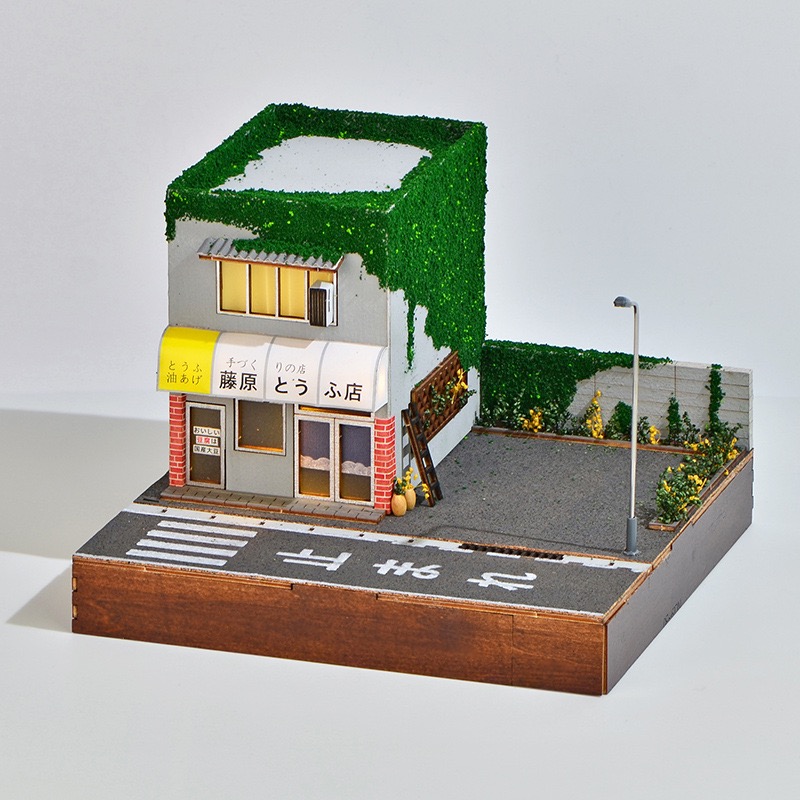
New 1:64 Scale Wood Handmade Assembly DIY Miniature Japanese Tofu Shop Street Scene Car Model
Precision Mortise
Solid Basswood
MOQ: 2 pcs
Direct-from-factory miniature architectural assemblies, botanical construction systems, and sensory mechanical learning tools tailored for Tier-1 global toy distributors.





Technical analysis for procurement directors, product category executives, and global toy compliance officers.
The commercial classification commonly identified across B2B sourcing databases as the Carrot Rocket Toy represents an evolution in kinetic, tactile, and early-childhood STEM learning toys. Combining playful biomimetic vegetable silhouettes with pneumatic or internal spring-release launching mechanisms, these toys fulfill high-frequency consumer demand across cross-generational toy aisles. From early gross motor skill activation to physical desk-bound stress relief for corporate demographics, the category bridges impulsive gift novelty with calculated kinematic pedagogy.
However, for commercial importers and distributors in the European Union and North America, sourcing from certified manufacturing operations demands a rigorous understanding of dynamic propulsion physics, non-toxic polymer stabilization, choke hazard mitigation, and micro-component structural integrity. Sourcing failures in this product class frequently stem not from consumer lack of interest, but from unverified wall-thickness tolerances, rapid plastic fatigue in release latches, and toxic plasticizer migration.
The fundamental engineering of industrial-grade carrot rocket toy systems relies on two distinct mechanical configurations: compressed-air pneumatic chambers and helical-spring-actuated triggers. High-durability units manufactured for export must withstand repeated release cycles without spring hysteresis or pressure seal degradation:
Injection-molded POM (polyoxymethylene) triggers engineered for minimal friction coefficients, preventing micro-stress fractures across tens of thousands of launch trigger cycles.
Carefully calibrated spring K-factors and pneumatic piston volumes guarantee an apex flight trajectory within safe impact thresholds under EN71-1:2014+A1:2018 projectile limits.
Dual-shot injection melding rigid ABS internal frames with ultra-soft, food-grade exterior TPR (thermoplastic rubber) coatings, simulating real vegetable texturing while dampening drop shock.
To qualify for global entry, particularly under the European Union Toy Safety Directive 2009/48/EC and US CPSC CPSIA requirements, every polymer batch must undergo gas chromatography–mass spectrometry (GC-MS) verification. Hangzhou Aitoybots enforces strict raw material governance:
How changes in logistics, environmental legislation, and consumer demographics are transforming B2B purchasing.
Wholesale procurement in the children's dynamic toy and novelty decompression sectors is undergoing a structural paradigm shift. Buyers are no longer purchasing single-use seasonal novelties. Modern channel directors demand multi-functional value propositions where physical toys integrate seamlessly with Montessori early-learning curriculums, collectible desktop design, and environmentally verifiable supply lines.
Importers are replacing 10,000-unit minimum blind purchase orders with agile trial allocations. Aitoybots' flexible model allows initial catalog testing at 2 to 20 pieces per SKU, allowing Amazon FBA private-label sellers and independent boutique chains to analyze localized click-through and sell-through rates prior to full 40-foot container bookings.
Impending Extended Producer Responsibility (EPR) regulations across the EU and North American retail giants (Target, Walmart, Carrefour) require packaging and components to integrate bio-based polymers. Leading product iterations are switching to straw-reinforced bio-PE and FSC-certified wooden hybrid mechanisms, decreasing carbon footprints by over 38%.
The boundary between juvenile toys and executive desk gadgets has collapsed. High-end tactile carrot rocket toys and miniature architectural sets serve a dual demographic: entertaining children through kinesthetic trajectory experimentation, while serving adult consumers as tactile stress-relievers during remote work routines.
| Mechanism Type | Propulsion Medium | Safety Grade | Ideal Age Group | Unit Cost Tier | Packaging Optimization |
|---|---|---|---|---|---|
| Spring-Actuated Micro Rocket | Tempered Steel Coil / POM Latch | EN71 / ASTM F963 Class A | Ages 3 to 8 | Ultra-Low / Mass Retail | Blister Card / Hanging Tag |
| Pneumatic Bellow Launcher | Compressed Ambient Air Chamber | Zero Projectile Friction Standard | Toddlers (2 to 5 Years) | Moderate / Early Education | Display Box / Custom Window |
| Dual-Action Dynamic Launcher | Hybrid Kinetic Gear & Inertia Flywheel | Full Mechanical Shock Absorption | STEM Primary (Ages 6 to 12) | Mid-to-High / Gift Sector | Laminated Rigid Gift Box |
| Artisan Wooden Joint Launcher | FSC Beechwood & Mortise-Tenon Frame | Heirloom Level, Zero Plastic | Multi-Generational / Boutique | Premium High Margin | Recyclable Kraft Gift Carton |
From our roots in Jinhua woodworking to supplying international retail networks in Frankfurt, Chicago, and Tokyo.
Established in 2011 from a specialized woodworking artisan shop in Jinhua, Hangzhou Aitoybots Trading Co., Ltd. was built on an uncompromising principle: children and adults alike deserve enduring, screen-free tactile wonders that honor mechanical curiosity. By melding traditional Chinese joinery techniques—such as ancient mortise and tenon joinery—with computerized CNC micro-milling, automated laser ablation, and child-safe chemical finishes, we have positioned ourselves as an elite tier manufacturer for high-standard distributors.
Today, over 80% of our total export volume directly supplies retailers, Montessori organizations, science centers, and boutique toy brands throughout Western Europe and North America. Rather than treating toys as disposable commodities, our engineering team constructs products designed for heirloom-level longevity.
Incoming raw material spectrometry, in-line tension verification, semi-finished visual inspection, automated drop-chambers, torque testing, and master-carton drop evaluations.
Seamless handling of DDP, FOB Ningbo/Shanghai, and CIF global ports. Pre-cleared documentation guarantees zero delays with US Customs (CPSC compliance) and EU customs authorities.
Full turnkey packaging, localized multi-lingual instruction manuals, custom Pantone matching, laser logo engravings, and proprietary steel injection tooling support.
Critical operational answers addressing MOQs, international toy compliance, tooling lead-times, and payment arrangements.
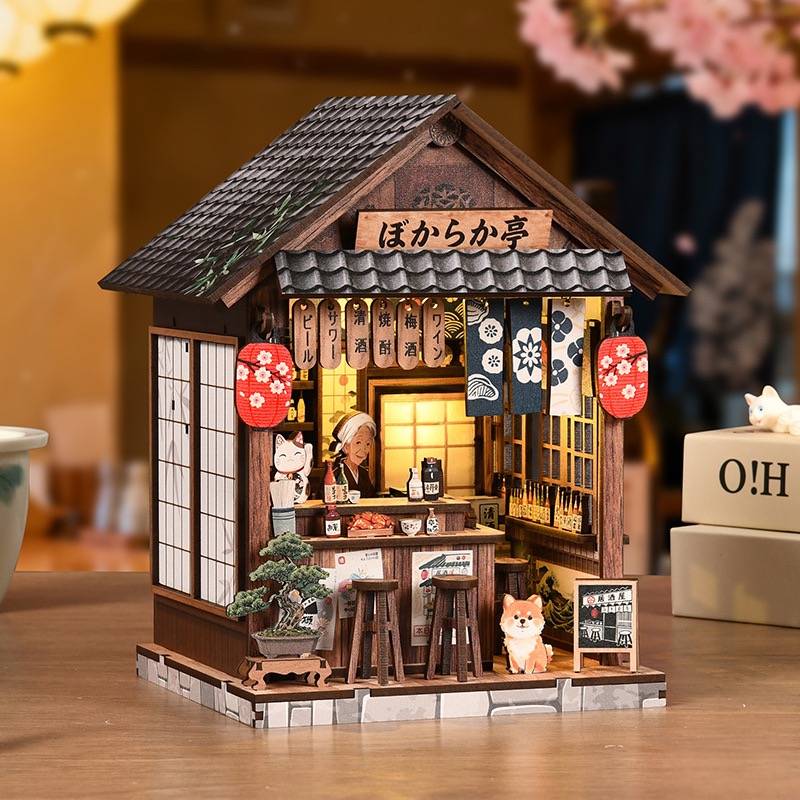
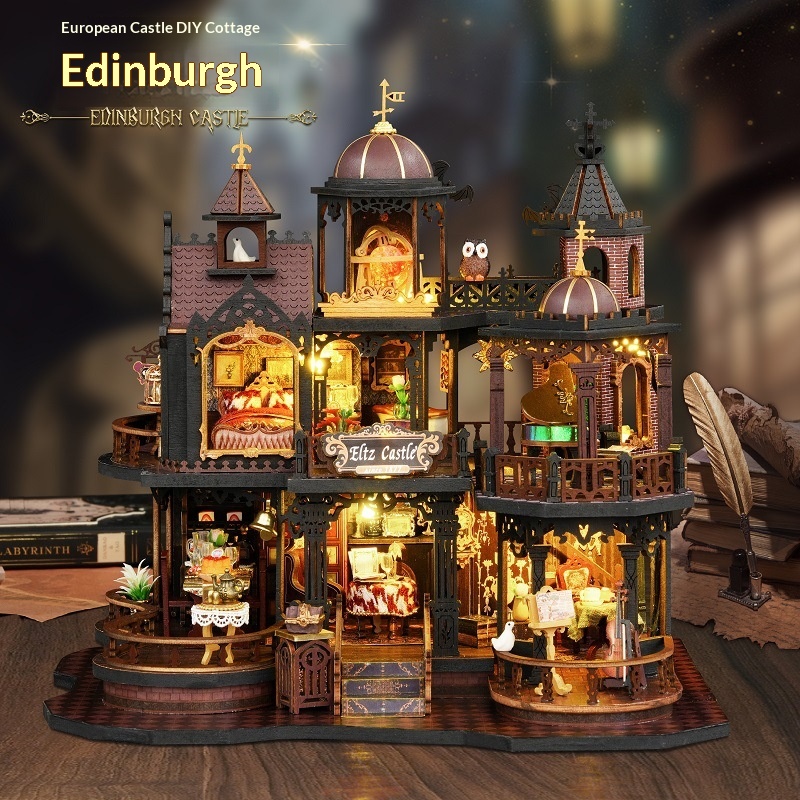
For catalog SKUs (such as our 3D miniature scenes, flower bouquet blocks, and standard kinetic launchers), our entry MOQ starts as low as 2 to 20 pieces per SKU, facilitating rapid market viability testing. For fully customized OEM packaging, custom color injection, or branded silk-screen printing, MOQs typically begin at 500 to 1,000 units depending on mold and tooling requirements.
Every export product batch is backed by certified test certificates through recognized labs (such as SGS, Intertek, and TÜV). We ensure strict compliance with EN71 (Parts 1, 2, 3), CE marking, REACH regulations, ASTM F963-17, and CPSIA total lead/phthalate limits. Full Declaration of Conformity (DoC) documents and test reports are transmitted alongside initial proforma invoices.
Standard production schedules average approximately 30 calendar days following sample and packaging layout sign-off. Air express dispatch for sample evaluation reaches North America and Europe in 4 to 7 business days. FCL/LCL ocean freight from Ningbo or Shanghai typically requires 18 to 24 days to US West Coast ports and 28 to 35 days to principal European container terminals (Rotterdam, Hamburg, Felixstowe).
Yes. Our in-house R&D engineering department operates high-precision CAD/SolidWorks pipelines. We handle concept sketching, structural kinetic calculations, SLS 3D printed functional prototypes within 48 to 72 hours, pilot mold tooling, and volume multi-cavity hardened steel tooling. Our clients own their custom mold intellectual property completely upon final project sign-off.
Our quality management system follows MIL-STD-105E / ISO 2859-1 AQL 1.0/2.5 protocols. We do not rely merely on final dock inspections; quality control personnel are embedded at injection points, CNC laser cutting benches, assembly stations, and box-packaging stations. Any component showing burrs, gate marks, improper spring tensile resistance, or surface misalignment is discarded immediately prior to sealing.
We operate flexibly across standard international terms including FOB, CIF, EXW, and DDP (Delivered Duty Paid). Our standard transactional structure utilizes Telegraphic Transfer (T/T with 30% initial deposit and 70% against Bill of Lading scan), or confirmed, irrevocable Letters of Credit (L/C at sight) for verified large-scale institutional contracts.
Connect directly with Hangzhou Aitoybots Trading Co., Ltd. Our English-speaking export specialists are standing by to provide wholesale quotations, technical compliance documentation, sample shipments, and tailored OEM/ODM evaluations.