Montessori-Aligned Architectural & Educational Models
Constructed with FSC-certified timber, chemical-safe non-toxic pigments, and calibrated micro-friction joinery engineered to develop spatial reasoning and fine-motor mastery.

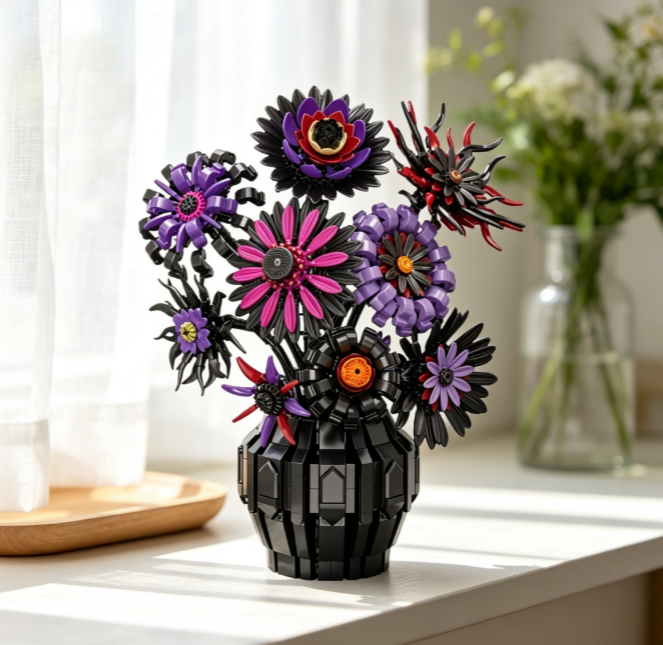

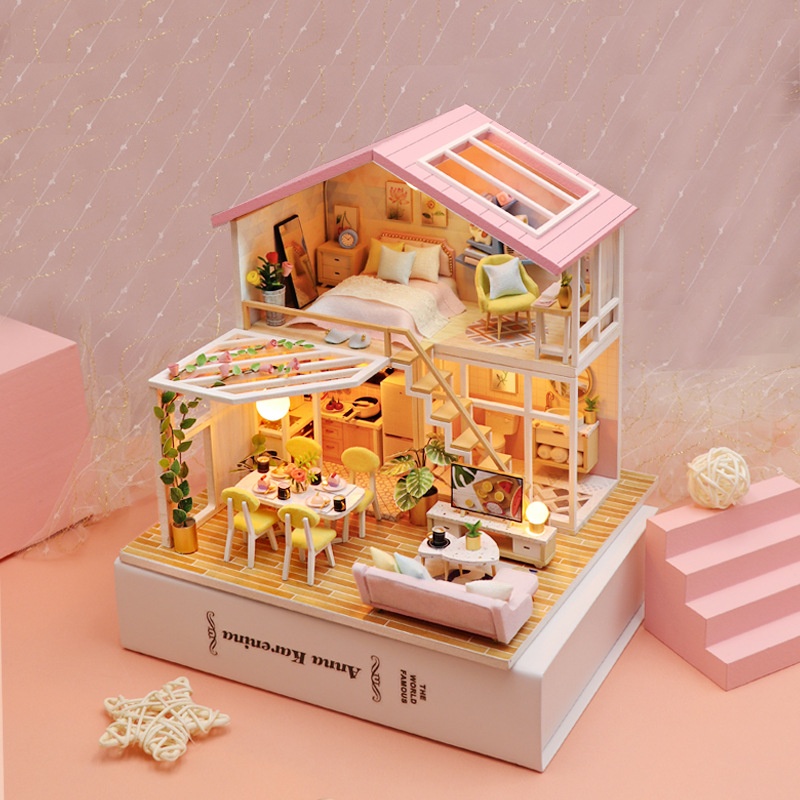
Engineering Authenticity: Sourcing Authentic Montessori Toys from China’s Premier Manufacturing Clusters
In the hyper-competitive global retail and educational distribution sectors, sourcing authentic Montessori-compliant toys demands far more than basic aesthetic carpentry. True Montessori didactic materials hinge on uncompromising dimensional precision, calculated sensory weight, authentic physical self-correction mechanisms, and stringent chemical safety.
As European and North American regulators tighten compliance barriers through mandatory EU Timber Regulations (EUTR / EUDR), REACH chemical testing, ASTM F963-23 revisions, and the Consumer Product Safety Improvement Act (CPSIA), global procurement executives face escalating margin pressures. Sourcing from experienced Chinese manufacturers like Hangzhou Aitoybots Trading Co., Ltd. bridges the gap between historical artisanal craftsmanship—rooted in Zhejiang’s century-old mortise and tenon heritage—and high-throughput industrial laser and CNC manufacturing.
Critical Information Gain for B2B Importers: Distinguishing True Montessori from Generic Wooden Toys
Dr. Maria Montessori established strict empirical parameters: toys must exhibit a dedicated isolation of a single difficulty (e.g., isolating dimensions rather than mixing color and size variables simultaneously), possess inherent control of error (enabling autonomous verification without adult intervention), and leverage real-world, natural tactility (heavier, dense hardwoods over featherlight synthetic plastics). Manufacturers incapable of micro-tolerance milling inevitably fail institutional pedagogical audits.
1. Material Science in Chinese Montessori Toy Exportation: Hardwoods vs. Engineered Composites
The integrity of a Montessori toy is determined at the timber kiln. Premium Chinese exporters operate directly adjacent to sustained forestry supply chains, utilizing kiln-dried European Beechwood (Fagus sylvatica), Russian Birch (Betula pendula), and high-density Linden/Basswood. The choice of raw material dictates not merely the visual grain, but the kinetic durability, dimensional stability under differing oceanic humidity levels, and shatter resistance.
| Timber / Substrate | Janka Hardness Rating | Moisture Content Target | Optimal Montessori Application | Compliance & Export Durability |
|---|---|---|---|---|
| Solid German/European Beech | 1,300 lbf (High) | 8% – 10% (Vacuum Kilned) | Pink Tower, Cylinder Blocks, Broad Stairs | Zero splintering, maximum longevity across institutional cycles |
| Multi-Layer Birch Core | 1,260 lbf (High) | 7% – 9% | Puzzle maps, sorting boards, sensorial base plates | High planar stability; resists warping during sea container transit |
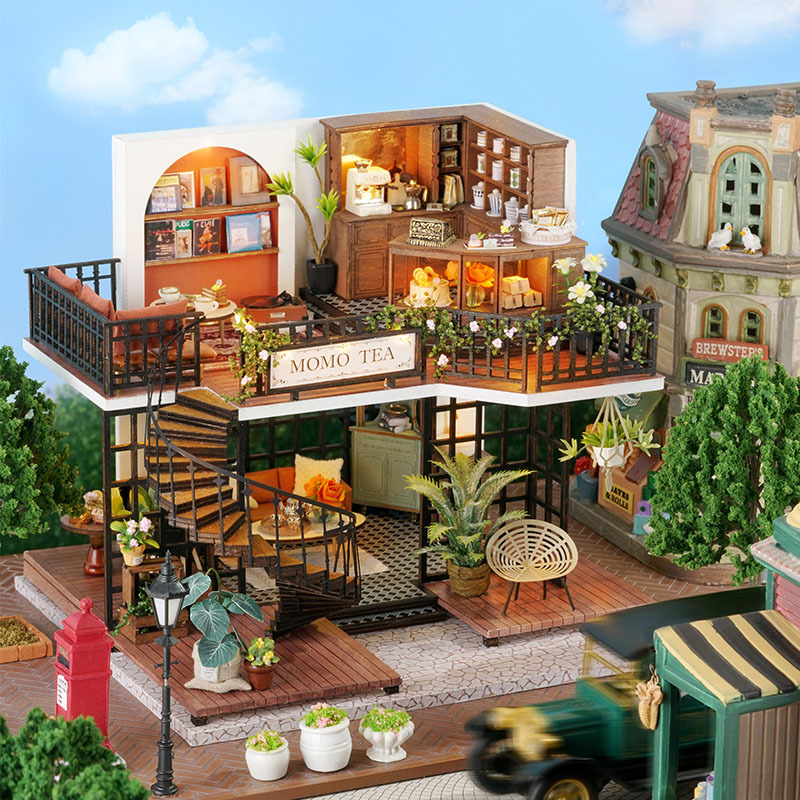
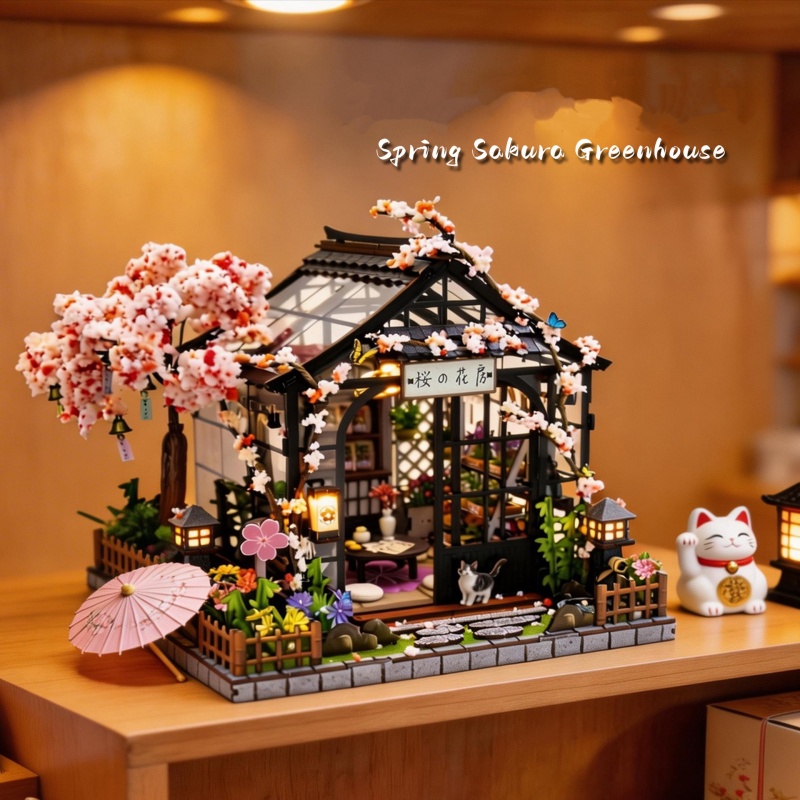
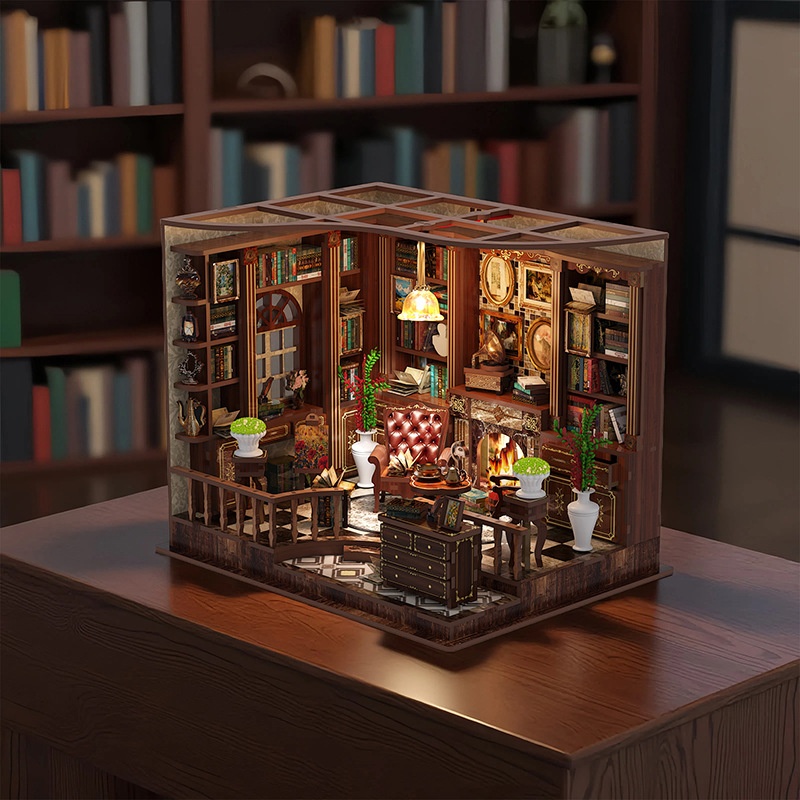
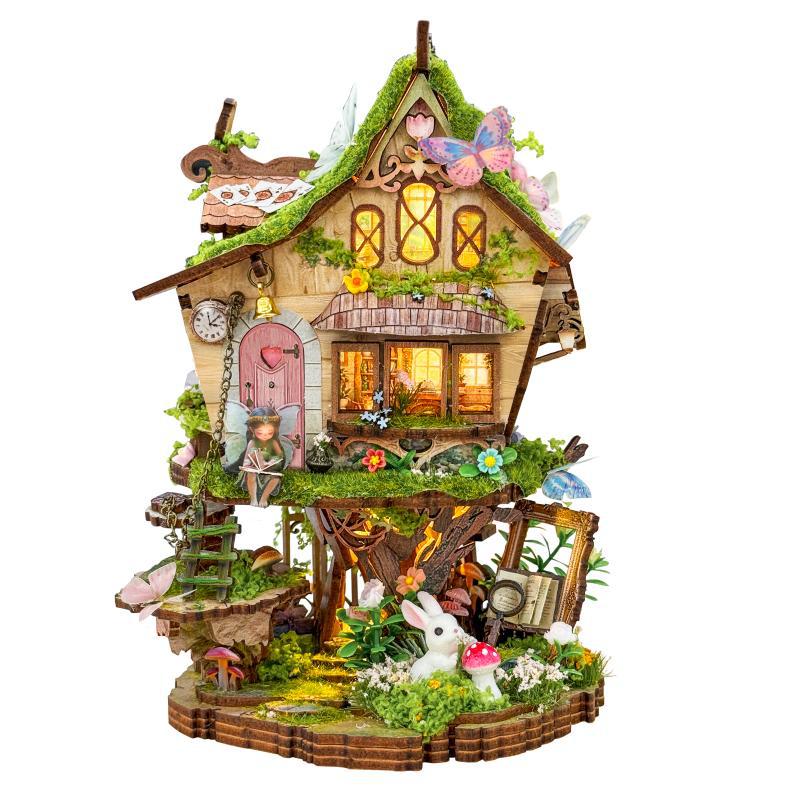
| Select Linden / Basswood | 410 lbf (Medium-Soft) | 8% – 11% | 3D Architectural Cottages, Laser Mortise Puzzles | Exceptional laser kerf precision with pristine, scorch-free edges |
| Non-Toxic ABS (Selective STEM) | R105 – R110 Rockwell | < 0.2% | Hybrid Botanical STEM Building Blocks | Food-contact grade, phthalate-free, fully washable for group play |
When evaluating Chinese Montessori toy exporters, professional buyers must require certified documentation proving moisture control. Sourcing raw timber that has not undergone moisture-equilibration below 10% risks catastrophic volumetric expansion or shrinkage when containers transit the Panama or Suez Canals into temperate Western warehouse climates.
2. Technological Advancements: The Integration of Mortise-and-Tenon with Sub-Millimeter CNC
Historically, wooden toys relied extensively on poly-vinyl acetate adhesives or metal fasteners—both points of structural vulnerability and regulatory concern regarding heavy metal traces and volatile organic compounds (VOCs). Pioneering Chinese manufacturers originating from the craft hubs of Jinhua and Hangzhou have combined classical Dongyang architectural mortise-and-tenon (Sunmao) geometry with modern 5-axis computer numerical control (CNC) routing.
This union yields interlocking structural parts that achieve structural permanence without adhesive toxicity. For intricate Montessori items like multi-layer puzzle maps, mechanical gear systems, and 3D architectural sets, interlocking joinery absorbs kinetic energy when dropped from standard nursery testing elevations (ASTM F963 drop test protocols of 4.5 feet onto concrete with flooring tile).
Future Procurement Trends in Montessori Toy Exportation (2025–2030)
Key strategic trends driving international B2B procurement decisions across Europe, North America, and the Asia-Pacific.
1. Low-MOQ Agile Inventory Prototyping
The days of locking hundreds of thousands of dollars into rigid 40ft container minimums per single SKU are rapidly fading. Forward-thinking global brands now demand initial trial orders starting from 2 to 20 units. This rapid feedback loop allows e-commerce sellers and retail buyers to test seasonal market elasticity, validate social commerce virality, and minimize warehouse carrying costs before committing to mass production runs.
2. Digital Product Passports & Carbon Traceability
European Union directives regarding Corporate Sustainability Due Diligence (CSDDD) will soon mandate granular traceability for timber harvest origins. Advanced Chinese toy exporters are proactively deploying QR-code integrated batch tracking that documents Chain of Custody (FSC-STD-40-004), non-toxic vegetable-derived waterborne coatings, and low-emission production metrics directly on primary retail packaging.
3. Hybrid Montessori-STEM Convergence
While classical Montessori materials remain enduring pillars of foundational education, current retail velocity demonstrates explosive demand for hybrid didactic products. By combining organic wooden architectural structures with tactile mechanical gears, botanical biological assemblies, and soft sensory fidget components, brands capture both early-years child developmental budgets and lucrative adult hobbyist gifting markets.
Engineering Evolutionary Dynamics: Where Traditional Toymaking Meets Modern Safety Science
The manufacturing ecosystem for Montessori toys in China has undergone a comprehensive technological transformation over the past decade. Traditional labor-intensive hand-chiseling has evolved into a computerized, safety-validated manufacturing matrix. Modern educational toy lines must withstand relentless testing for chemical leaching, mechanical torque, tensile strength, and impact tolerance.
Micro-Chamfer Sanding
Robotic edge-profiling guarantees every corner maintains a minimum 1.5mm radius chamfer, eradicating splinter risks while maintaining crisp Montessori geometric definition.
Waterborne Polyurethane Finishes
Submerging wooden elements in zero-VOC waterborne polyurethane coats preserves natural grain tactile feedback without peeling, passing EN71-3 heavy metal migration limits.
Small Parts Tension Locking
All embedded dowels, pegs, and structural knobs are tested to withstand > 90N of mechanical pull-force, rendering choking hazard detachment structurally impossible under normal use.
Anti-Humidity Moisture Barriers
Every export master carton incorporates industrial multi-layer desiccants and shrink-wrapped moisture-barrier polybags designed to neutralize condensation spikes during ocean voyages.
Why Global Importers Partner with Hangzhou Aitoybots
Over a decade of dedicated craftsmanship, combining artisanal mortise-and-tenon heritage with turnkey OEM/ODM export solutions.
14+ Years of Proven Manufacturing Heritage
Established in 2011 from a specialized woodworking workshop in Jinhua, Zhejiang, Hangzhou Aitoybots has scaled into a global B2B powerhouse. With over 5 million educational toys successfully delivered worldwide and more than 80% of our export volume concentrated in stringent Western European and North American retail channels, we understand international expectations instinctively.
Rigorous 6-Stage QC & 0.3% Defect Threshold
While industry averages for wooden educational toys hover around a 1.5% to 2.5% scrap/defect rate, Aitoybots maintains a strict 0.3% defect benchmark. Our quality regime spans incoming raw timber moisture testing, rough cut dimension validation, laser edge kerf inspection, tumble-sanding smooth checks, post-lacquer cross-hatch adhesion testing, and pre-shipment master carton drop tests.
Rapid OEM/ODM Turnaround & Low Sample Barrier
Our in-house industrial design department delivers 3D structural CAD blueprints and physical photopolymer mockups within 72 hours of project inception. With our standard production lead time averaging approximately 30 days and catalog MOQ starting as low as 2 to 20 pieces, educational brands and marketplace sellers can launch private label collections without prolonged lead times.
Frequently Asked Questions for B2B Toy Buyers
Clear, technical, and regulatory answers to facilitate streamlined supplier qualification and import clearance.
What are the exact compliance test reports required to import Montessori toys into the US and EU?
How does Hangzhou Aitoybots guarantee that wooden components won’t warp or crack during ocean shipping?
Can we request bespoke custom packaging, private-label barcodes, and customized instruction manuals?
What is the standard production cycle and logistics lead time from deposit to port delivery?
What is the minimum order quantity (MOQ) for custom-branded Montessori toys versus ready-to-ship catalog models?
How do you manage supplier credit, payment security, and transaction transparency?
Ready to Upgrade Your Educational Toy Supply Chain?
Connect directly with our senior account engineering team in Hangzhou. Receive real-time wholesale pricing matrices, compliance test dossiers, and custom OEM packaging dielines within 24 hours.