Micro-Assembly

DIY Cottage Spring Field Cherry Language Greenhouse 3D Wood Building Model
Laser-Cut Wood
Pincer Precision
Decompression
Hand-selected SKUs built to train pincer grasp, bilateral motor coordination, spatial cognition, and tactile dexterity. Fully customizable for OEM private branding, specialized educational distributors, and overseas retail channels.

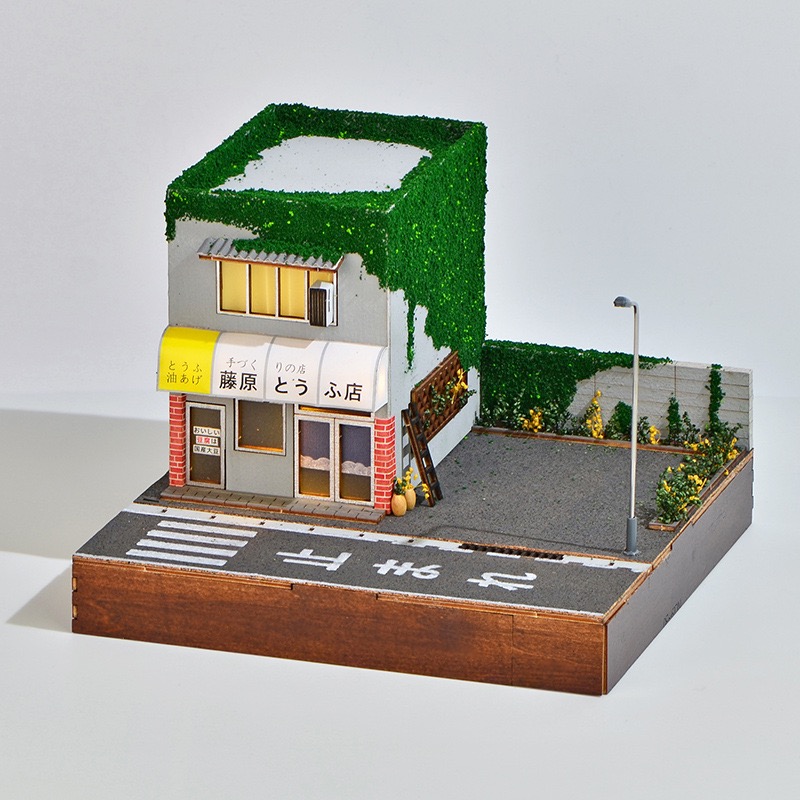
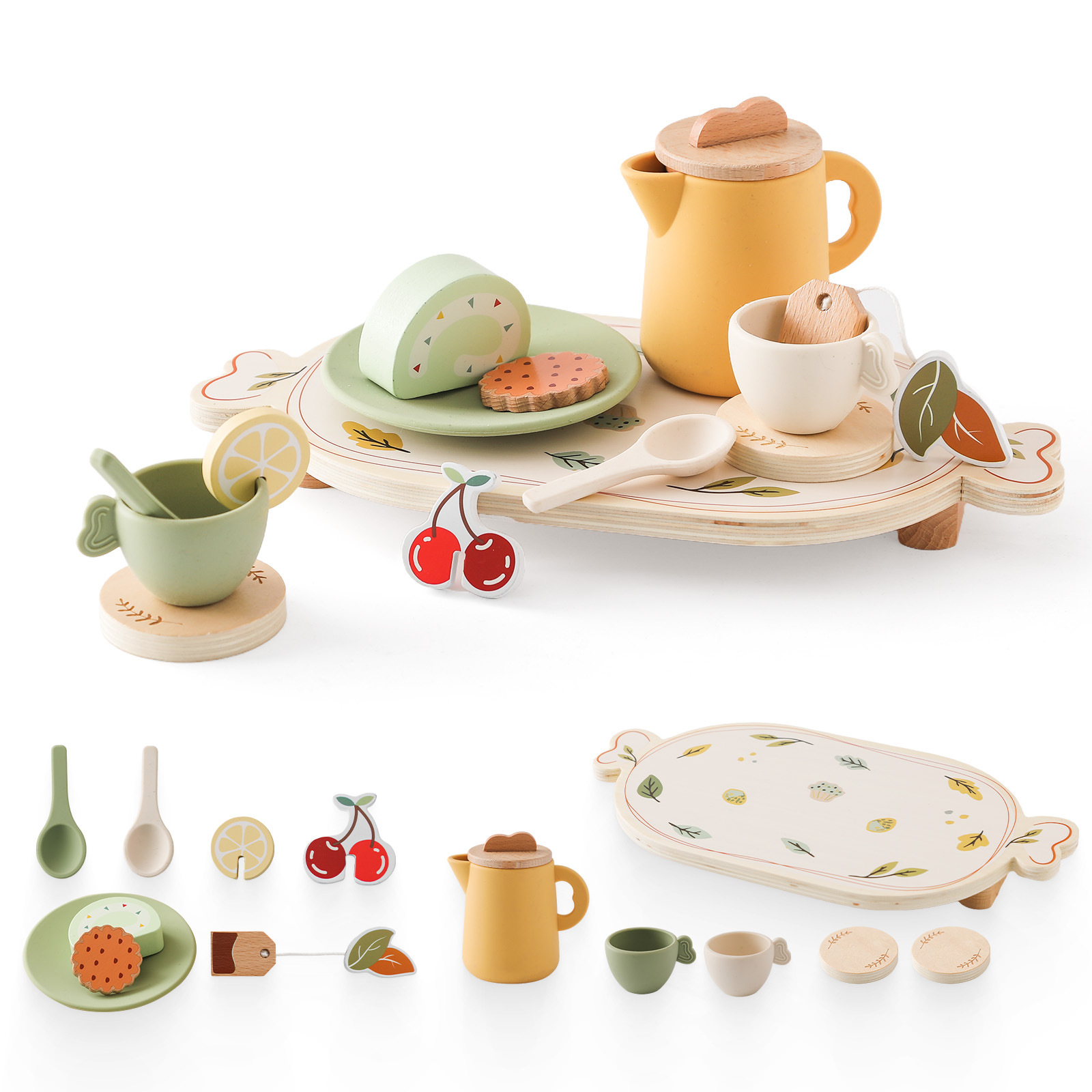
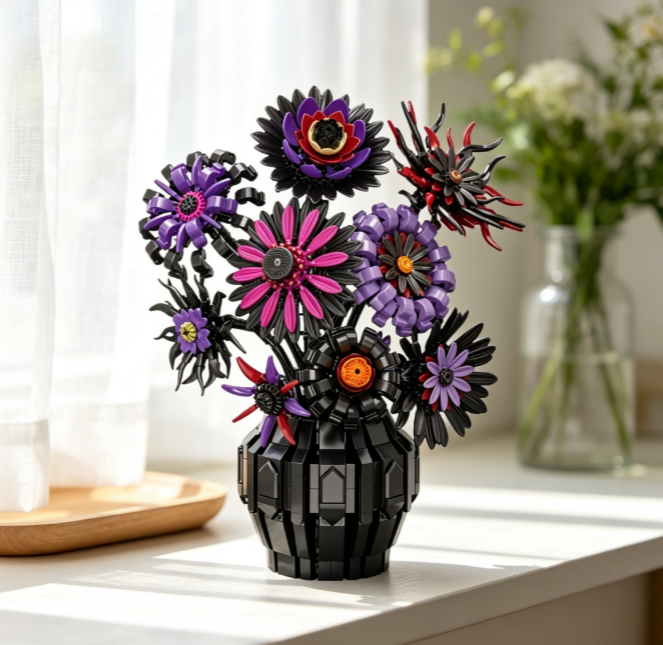
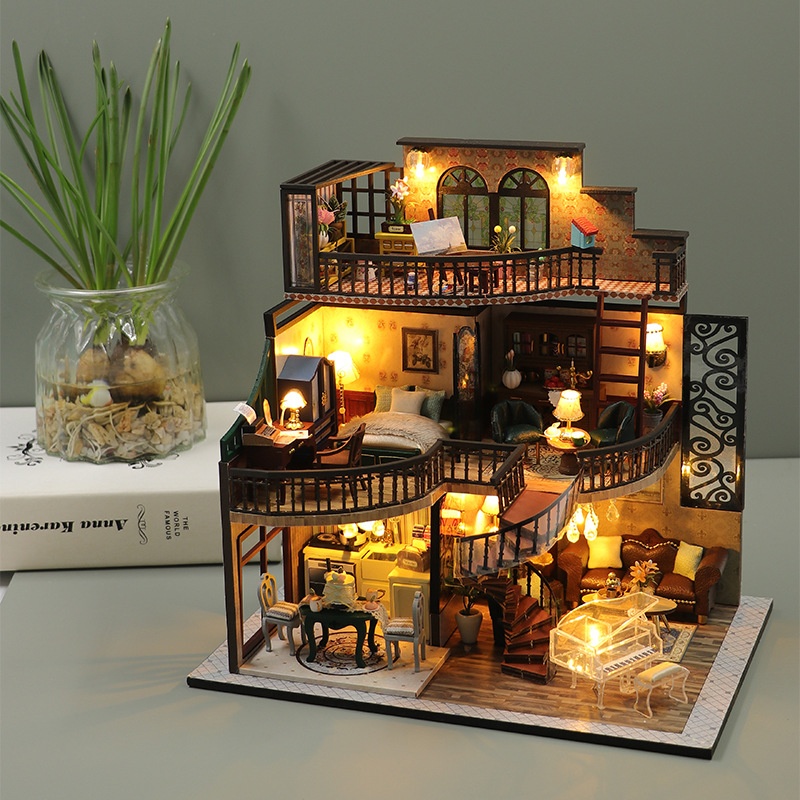

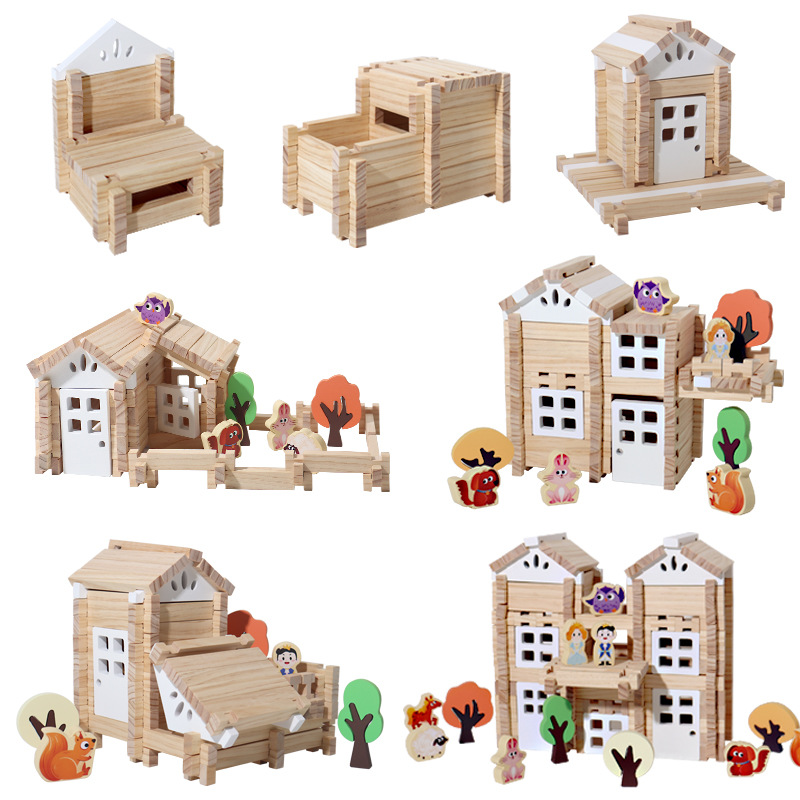
Fine motor skills encompass the coordinated movement of small muscles in the fingers, hands, and wrists, synchronized meticulously with visual feedback loops. For professional toy importers, institutional distributors, and educational procurement directors, fine motor development is not merely a marketing buzzword—it is an exact engineering science governed by anatomical development milestones.
When selecting manufacturing partners in China for fine motor apparatus, industrial buyers must evaluate the product's ability to trigger specific developmental mechanics across four key developmental phases:
Requires large-radius tactile stimulation, balanced volumetric mass (e.g., ergonomic simulation tea sets and sensory squeeze units), and non-toxic waterborne finishes that offer high friction coefficients without micro-splinters.
Requires precise structural resistance, exemplified by Luban mortise and tenon blocks. Children apply opposing thumb-index compression of 2.2 to 3.8 Newtons to interlock beams without synthetic adhesive assistance.
Demands simultaneous asymmetric hand function—one hand stabilizes while the dominant hand manipulates delicate tweezers, micro-dowels, or gear shafts in 3D architectural lofts and mechanical book nooks.
At Hangzhou Aitoybots Trading Co., Ltd., our manufacturing heritage originates from the renowned woodworking tradition of Zhejiang. We bridge ancestral mortise-and-tenon structural physics with CNC micro-milling, enabling brand owners to offer toys that provide genuine cognitive and biomechanical progression rather than passive digital distraction.
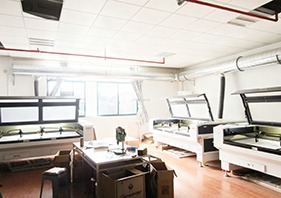
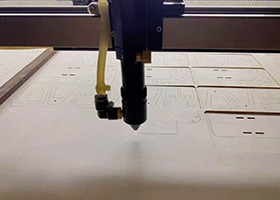
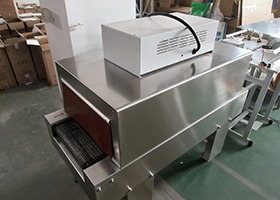
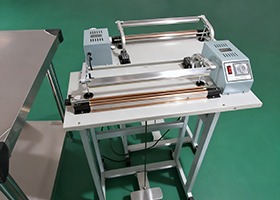
From raw FSC-certified beechwood seasoning and CO2 laser engraving to dust-free spray finishing and six-stage manual defect segregation, explore our Zhejiang operational facilities.
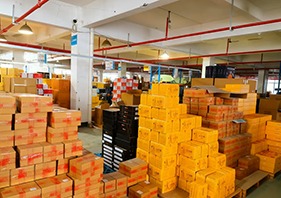
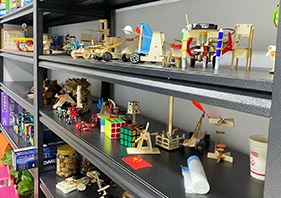


Sourcing educational toys and fine motor apparatus from China requires a granular understanding of regional industrial specialization. While southern clusters excel in rapid commodity plastic injection, eastern provinces command insurmountable superiority in heirloom woodcraft, precision multi-material assemblies, and sustainable timber processing.
Primary Core: Wooden Educational Toys, Luban Tenons, Montessori Systems.
Competitive Edge: Access to certified European beech, linden wood, and Russian birch; unmatched mortise-and-tenon heritage; advanced CNC laser cutting lines. Ideal for mid-to-high-end specialty retail and institutional orders.
Primary Core: Plastic ABS Blocks, RC Robots, High-Speed Injection.
Competitive Edge: Gigantic capacity for modular ABS construction blocks (such as the sunflower bouquet series) and rapid electrical integration. Optimized for mass retail chains requiring millions of identical units.
Primary Core: Soft Plush, Early Childhood Furniture, Hybrid Craft Kits.
Competitive Edge: Textile supply chain integration for sensory soft cushions and large preschool activity furnishings. Higher lead times for intricate mechanical wood projects.
Originating in Jinhua in 2011 and headquartering its international operations in Hangzhou, Hangzhou Aitoybots Trading Co., Ltd. consolidates deep raw timber milling roots with international supply chain agility. We eliminate intermediaries by maintaining direct production ownership, keeping minimum testing MOQs at just 2 to 20 pieces per SKU while holding industrial capacity to fulfill recurring 40-foot HQ container contracts with an audited 0.3% defect rate.
Procurement directors must look beyond current seasonal best-sellers and anticipate shifting consumer values in primary export destinations (Germany, France, the United Kingdom, the United States, Canada, and Scandinavia). Our R&D engineering department monitors three prevailing macroeconomic product trends:
Modern parents and early education centers are pushing back against one-dimensional plastic brick snapping. The market is aggressively pivoting toward multi-dimensional interlocking structures based on historical architecture (e.g., traditional Luban lock puzzles and mortise-and-tenon architectural villas). These structures require children to conceptualize compressive forces, shear stress, and geometric balance without relying on glues or synthetic adhesives.
The boundary between children's developmental toys and adult stress-relief hobbies has permanently dissolved. As evident in our miniature 3D greenhouses, Japanese streetscape tofu shops, and mechanical book nooks, fine motor manipulation serves as mindful, screen-free tactile therapy for adults. Retail buyers stocking these items enjoy dual merchandising opportunities across toy aisles, museum gift shops, bookstore lifestyle racks, and home décor boutiques.
The stringent revision of the European Toy Safety Directive (replacing 2009/48/EC) demands total elimination of persistent organic pollutants, microplastics, and endocrine disruptors. Forward-thinking Chinese factories are systematically adopting soy-based inks, formaldehyde-free E0 grade plywood, and edible-grade vegetable waxes to protect children while guaranteeing seamless passage through customs inspections.
Global toy sourcing in an era of heightened regulatory scrutiny requires institutional-grade due diligence. Importers should execute procurement along four non-negotiable vectors:
Unseasoned timber warps during trans-oceanic shipping. Demand kiln-drying documentation verifying equilibrium moisture content (EMC) between 8% and 12%, along with FSC chain-of-custody tracking to satisfy the EU Deforestation Regulation (EUDR) and US Lacey Act.
For items serving ages under 36 months, all components must exceed the 1.25-inch small parts choke tube test (16 CFR 1501). Joinery tenons must endure 90 Newtons of continuous pull force without splintering or structural disengagement.
Avoid committing full capital to container volumes without empirical sell-through data. Partner with manufacturers like Aitoybots that support split-batch testing (2 to 20 units per SKU) before triggering mass OEM tooling runs.
Our manufacturing processes are verified by accredited global third-party testing laboratories (SGS, TÜV Rheinland, Intertek), ensuring barrier-free customs clearance worldwide.
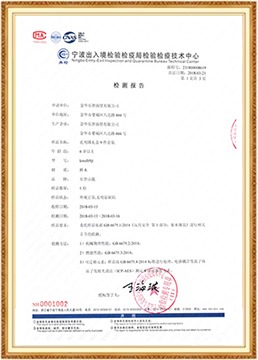 EN 71-1: Physical & Mechanical
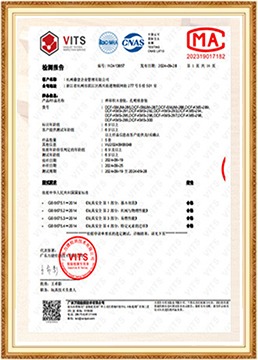 EN 71-2: Flammability Testing
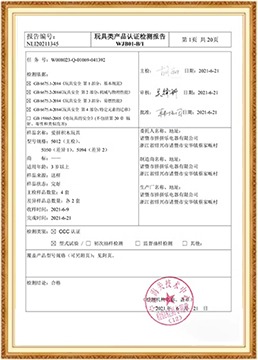 EN 71-3: Heavy Metal Migration
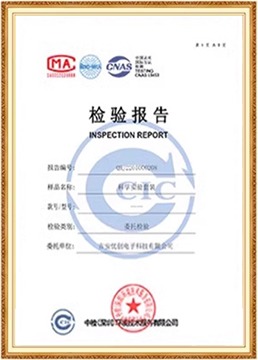 ASTM F963 / CPSIA Standard
Established in 2011, Hangzhou Aitoybots Trading Co., Ltd. has evolved from an artisan woodworking collective in Jinhua into a modern, export-oriented precision manufacturing enterprise. With more than 80% of our products exported to North America and Western Europe, we have built a manufacturing model tailored specifically to the risks and margins of overseas importers.
We do not rely on end-of-line spot checks. Timber moisture monitoring, CNC edge checking, manual hand deburring, multi-layer non-toxic dipping, torque fit audits, and drop-shipping box crush tests ensure our defect rate remains at an astonishing 0.3%.
From custom embossed logos, silk-screened tenon markings, multi-language instruction manuals, to FSC-certified retail color boxes, our in-house engineering and graphic design teams deliver shelf-ready retail packaging.
Eliminate inventory write-downs. Catalog SKUs start from 2 to 20 pieces for micro-testing on Shopify, Amazon FBA, or boutique pilot racks. Full custom production batches ship within approximately 30 days of sample approval.
Clear, direct answers regarding minimum orders, testing protocols, custom tooling, moisture mitigation, and shipment terms.
For standard catalog SKUs (including our 3D greenhouse, miniature book stands, and sunflower building blocks), our testing MOQ starts at just 2 to 20 pieces per design. This enables online brands, museum shops, and Montessori academies to test retail turnover before committing to container volumes. Full OEM custom production runs (custom shapes, proprietary mold injection, or bespoke die-cut boxes) generally begin at 500 to 1,000 units depending on complexity.
All toys produced in our facilities comply strictly with CE, EN 71 (Parts 1, 2, and 3), and ASTM F963 / CPSIA standards. We utilize only food-contact safe, waterborne acrylic stains, formaldehyde-free adhesives (CARB P2 / E0 compliant), and lead-free paints. Full batch testing reports conducted by accredited third-party laboratories (SGS or Intertek) are available upon request for every production SKU.
All solid lumber (beech, basswood, and pine) undergoes automated vacuum kiln-drying to stabilize equilibrium moisture content strictly between 8% and 11%. Finished wooden elements are sealed in climate-controlled workshops and packaged with industrial food-grade desiccant packs inside sealed inner shrink-wrap, completely eliminating risks of expansion, shrinking, or mold during equatorial maritime shipping.
Yes. We provide complete end-to-end packaging development, including custom CMYK/Pantone printed rigid gift boxes, window boxes, and foil-stamped sleeves. We apply custom GS1 EAN/UPC barcodes, suffocation warning labels on polybags, master carton FBA shipping labels, and pallet configurations optimized to minimize dimensional weight charges.
Rapid prototype and digital sample kitting takes approximately 5 to 7 business days. Following formal sample sign-off and deposit receipt, mass production lead times average 25 to 35 days depending on the volume and degree of custom tooling required. Re-orders for standardized catalog inventory can often dispatch within 10 to 14 days.
While plastic click-bricks develop vertical pressing force, mortise-and-tenon joinery (Luban architecture) requires multi-axis spatial orientation, rotational alignment, and fine tactile feedback. The subtle resistance of natural wood grain trains finger micro-adjustments and proprioception far more intensely than uniform injection-molded plastics.
We employ precision German-engineered high-speed CO2 laser cutters and CNC multi-axis milling machines calibrated to a strict tolerance threshold of ±0.05 mm. Each batch undergoes optical dimensional verification to ensure that every interlocking tab slides into place with smooth finger pressure while avoiding loose fits.
We regularly work under EXW, FOB (Ningbo or Shanghai), CIF, and DDP terms (direct to your warehouse or third-party logistics hub with all import tariffs and customs clearance pre-managed). Standard payment terms for volume orders are 30% T/T deposit upon order confirmation and 70% balance against the Bill of Lading (B/L) copy, with L/C available for institutional contracts.
Our industrial design team specializes in turning hand sketches or 3D CAD concepts into manufacturable toys. We optimize part geometries to prevent wood splitting, engineer snap tolerances, ensure small-part safety compliance, and output 3D printed or laser-cut functional prototypes for physical hand testing prior to mass steel rule die cutting.
We maintain strict confidentiality protocols for all proprietary OEM clients. We routinely execute bilateral Non-Disclosure Agreements (NDAs) and non-compete covenants prior to reviewing client CAD files. Custom dies, mold tooling, and proprietary artwork are held exclusively under client ownership and are never published or repurposed.