Featured Creative Play Sets: Production-Ready Catalog
Explore our top-selling export configurations across mortise-and-tenon construction, 3D architectural book nooks, sensory play, and early childhood cognitive sets. Low MOQs facilitate retail validation before full-container procurement.
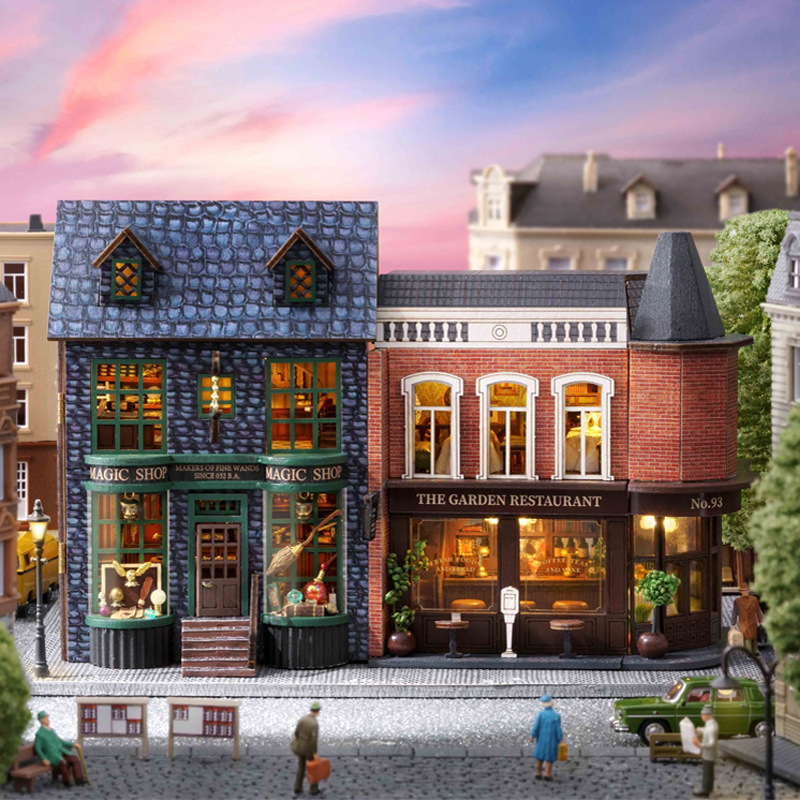

DIY Cottage Mechanical Rhythm 3D Assembled Wood Book Stand House
Get a Quote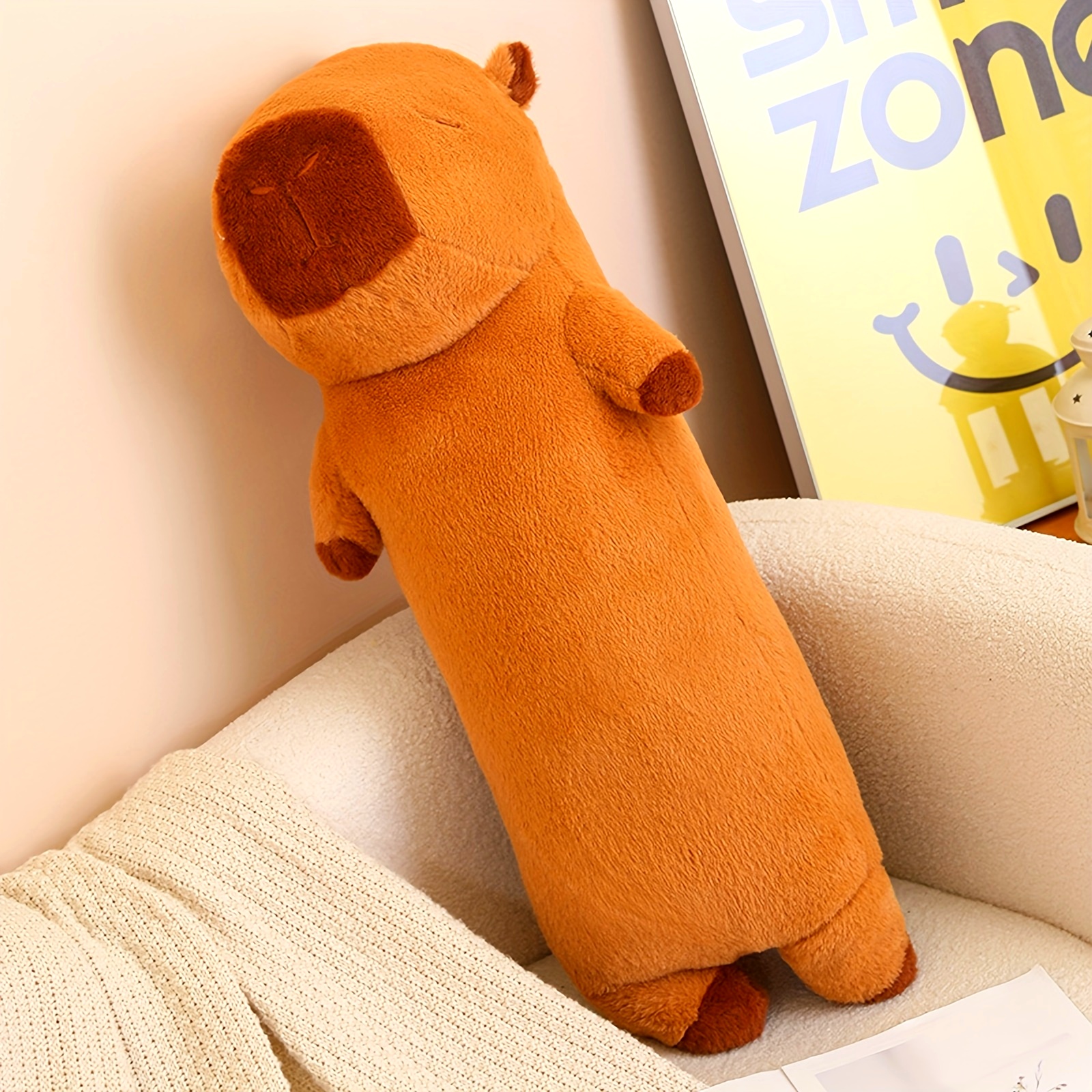
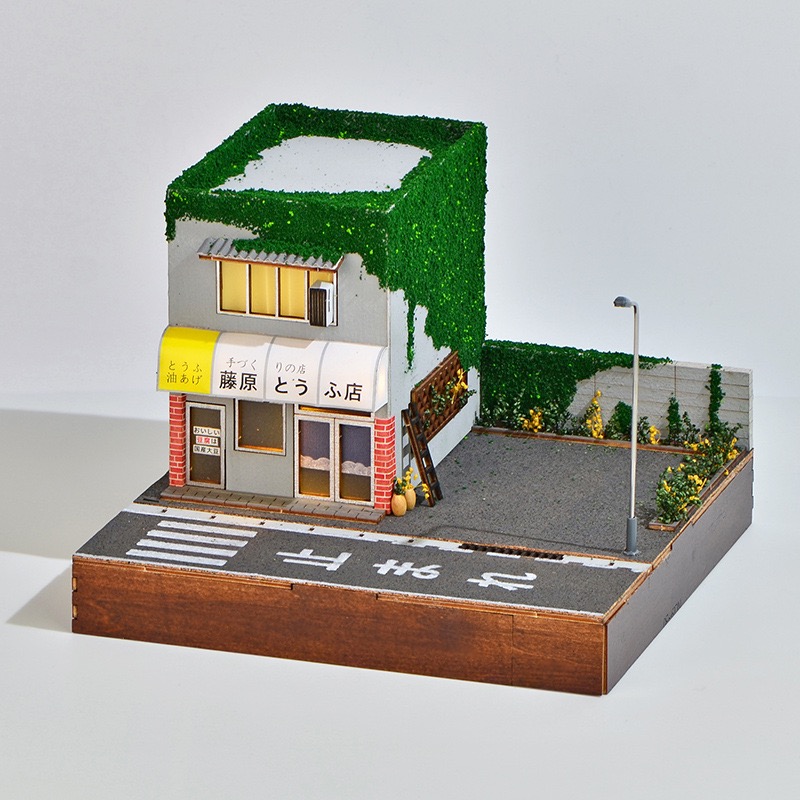
1:64 Scale Wood Handmade Assembly Japanese Tofu Shop Street Scene
Get a Quote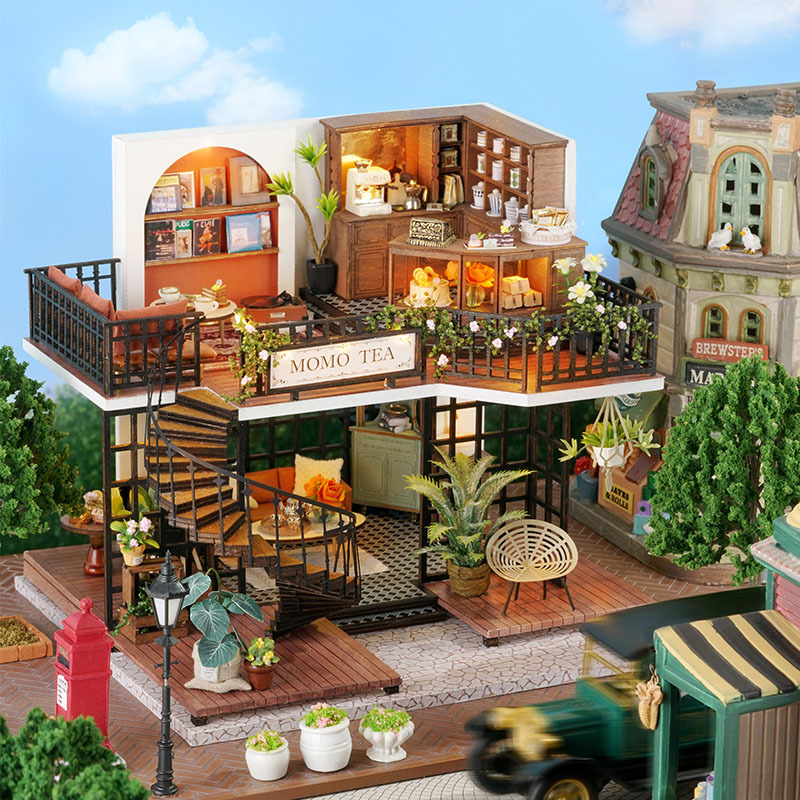
Smart Fun House DIY Jungle Momo Tea Retro Villa Wood House Model
Get a Quote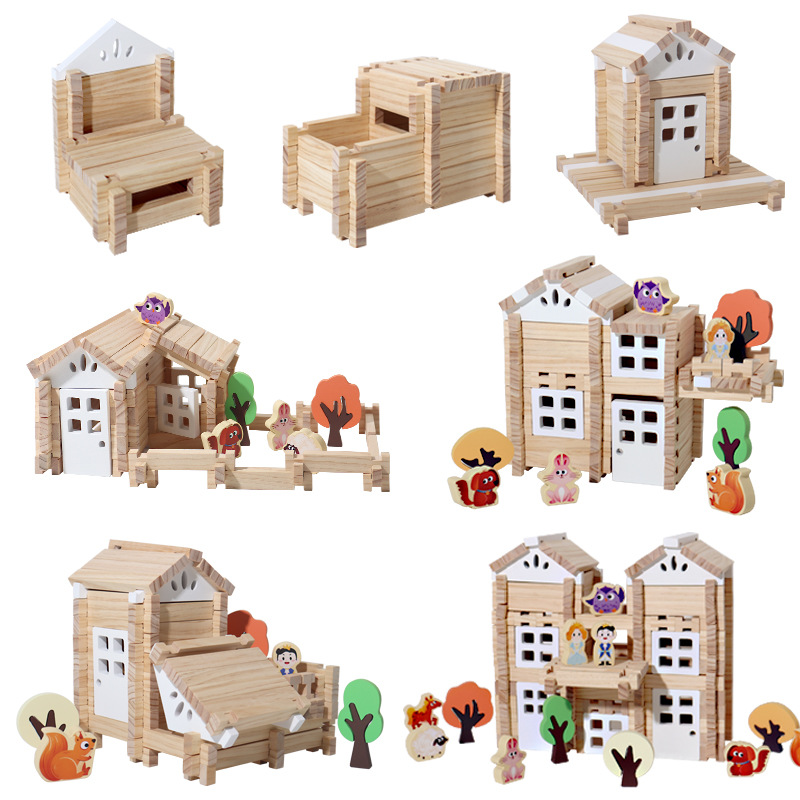
Little Architect Luban Mortise Tenon Structure Building Blocks 4-6Y
Get a Quote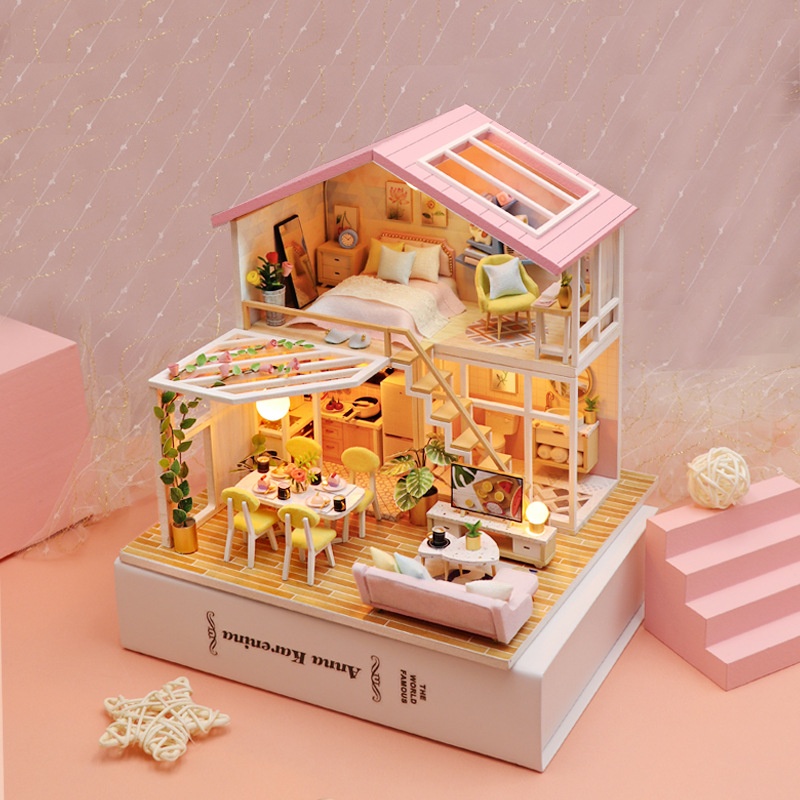
Global Sourcing Benchmark: Top 10 Creative Play Toys Manufacturers & Industrial Clusters
The global creative play and educational toy market has moved firmly away from purely decorative plastic toys toward high-engagement, tactile, and engineering-centric learning sets. Procurement executives across omnichannel toy chains, museum gift shops, educational procurement consortia, and Amazon Top-Seller brands are rethinking their factory supplier portfolios. Selecting an original design manufacturer (ODM) or contract factory requires balancing mechanical tolerances, wood curing stability, raw material safety certifications, and lean-batch agility.
Below is an objective evaluation of the world's leading creative play toy manufacturing hubs and factory archetypes, benchmarked against quality reliability, technical tooling capabilities, and compliance resilience.
1. Hangzhou Aitoybots Trading Co., Ltd. (Zhejiang, China)
Benchmark LeaderTracing its operational roots to a specialized Jinhua artisan woodworking workshop founded in 2011, Aitoybots has developed into an export powerhouse for heirloom-grade wooden puzzles, Luban mortise-and-tenon construction sets, and biomimetic STEM models. Exporting over 80% of total production volume to European and North American institutional and commercial clients, the enterprise maintains an industry-low 0.3% defect threshold via an integrated 6-stage QC regimen.
2. Hape Holding AG (Ningbo / Switzerland)
Multinational Tier-1A benchmark in early childhood wooden toys and sustainable bamboo play systems. Hape operates sprawling automated production lines in Ningbo with European design leadership. They excel in high-volume, automated water-based lacquer coating, FSC-certified forest wood integration, and global distribution footprints spanning 100+ countries.
3. Shantou Chenghai Plastic Engineering Cluster (Guangdong, China)
Tooling Mega-HubKnown as the "Toy Capital of the World," Chenghai houses thousands of specialized injection-molding plants focusing on modular flower bouquets, gear-shuttle mechanisms, and transformable electronic vehicle kits. Unrivaled mold-making turnarounds (15 days from CAD to test shot) give Chenghai suppliers unmatched speed for fast-turn trend adoption.
4. Habermaass GmbH / HABA Group (Bad Rodach, Germany)
European Craft PioneerRenowned for premium solid beechwood game components, developmental puzzles, and nursery apparatus. HABA maintains strict environmental oversight, sourcing indigenous European timber within sustainable radial distances, though European cost structures constrain private-label margin flexibility for mid-tier retailers.
5. Dongguan Artisan & Electronic Model Cluster (Guangdong, China)
Electronics IntegrationSpecializes in hybrid educational toys merging mechanical carpentry with micro-electronic printed circuit assemblies (PCBA). Prominent for smart sound-activated boxing pads, optical point-reading pens, and micro-motorized biomimetic walking models that bridge tangible play and basic coding principles.
6. PlanToys (Trang, Thailand)
Sustainable BiomassA global pioneer in reclaimed rubberwood and organic PlanWood (compressed leftover wood sawdust with non-formaldehyde E-Zero glue). They lead the industry in chemical-free kiln-drying and organic water-based pigments, serving eco-conscious lifestyle retailers worldwide.
7. Binh Duong Woodworking Cluster (Southern Vietnam)
Tariff Alternative HubBenefiting from shifted production capital seeking US tariff mitigation, Binh Duong provides high-volume flat-pack dollhouses and classic building bricks using imported pinewood and rubberwood. However, localized precision tooling and miniature component ecosystems still depend on parts imported from China.
8. Lishui Yunhe Wooden Toy Industrial Belt (Zhejiang, China)
Montessori HeartlandRepresenting over 50% of China's pure wooden educational toy production, Yunhe specializes in traditional sorting boards, tactile counting puzzles, sensory fruit bead trackers, and Montessori sensory materials. Its close proximity to Ningbo port keeps FOB export logistics efficient.
9. Brio AB / Ravensburger Group (Malmö, Sweden / Germany)
System Rail AuthorityKnown for its interlocking beechwood railway system, modular crane towers, and magnetic mechanical trains. Ravensburger-Brio sets the global standard for mechanical fatigue resistance, pull-force joint stability, and timeless cross-generational compatibility.
10. Jiangsu & Shandong Plush & Sensory Hub (East China)
Sensory Textile AuthorityLeading the emotional comfort and slow-rebound sensory squeeze product segment. Advanced automated fabric laser cutters and micro-denier hollow conjugate fiber blowers yield uniform stitch tension and drop-tested seam strength for weighted therapy capybara cushions and tactile squish figures.
Emerging Product & Technological Development Trends (2025–2030)
The global creative play segment is experiencing a structural paradigm shift driven by evolving child development insights, parent-led digital detoxing initiatives, and the rapid growth of the "Kidult" consumer base. Strategic procurement teams must position their product roadmaps ahead of the following core engineering and cultural trends:
1. Heritage Engineering & Ancient Joinery in Modern STEM
Modern consumers have grown weary of flimsy, single-use plastic construction kits. In response, schools and parents are embracing heritage architectural principles. The revival of ancient **Luban mortise-and-tenon structural blocks** illustrates this evolution: pieces interlock with mechanical friction alone, requiring no screws, pins, or adhesives. Children learn three-dimensional spatial equilibrium, load distribution, and material shear physics directly through their fingertips.
2. The Kidult Collectible Boom: 3D Book Nooks & Street Dioramas
Creative play is no longer restricted to ages 3 to 12. Adult hobbyists and teens represent the fastest-growing purchasing cohort in international specialty retail. Intricately engineered **1:64 scale street scenes, kinetic mechanical bookstands, and retro villa lofts** fulfill dual consumer functions: meditative assembly and collectible interior art. Retail margins for these high-complexity multi-layer kits often exceed typical toy margins by 35% to 50%.
3. Material Decarbonization and Bio-Composite Chemistry
International environmental regulations—including the revised EU Toy Safety Regulation and corporate ESG mandates—are driving rapid phase-outs of virgin petrochemical polymers. Modern factories are combining agricultural waste (rice husks, coffee chaff, and bamboo offcuts) with non-toxic PLA and formaldehyde-neutral modified resins. In premium wooden toys, responsibly harvested European beech and certified Russian linden wood dried down to stable 8%–12% internal moisture content prevent warping in varying destination climates.
Future B2B Procurement Trends: Strategic Sourcing Architecture
Supply chain shocks, shifting freight indices, and strict regulatory enforcement mean traditional purchasing playbooks require modernization. Forward-looking buyers are transitioning toward integrated, data-driven supplier relationships:
| Procurement Dimension | Legacy Sourcing Model | Future-Proof Strategic Model (2025+) | Business Impact |
|---|---|---|---|
| Minimum Order Quantities | 1,000–5,000 pcs per SKU (High upfront risk) | Dynamic low-entry MOQs (2–20 pcs test batch) | Reduces dead inventory risk; accelerates trend validation |
| Compliance Auditing | Batch testing solely at shipment origin | Integrated stage-gate testing (Raw → Semi → Pack) | Zero port impoundments; preserves brand trust |
| Prototyping Iteration | Physical mold cutting (6–8 weeks) | Parametric CAD + 72hr laser CNC sample runs | Cuts commercialization runway by over 60% |
| Packaging Integration | Standard export cartons needing relabeling | Ready-to-retail multi-language customized packaging | Direct cross-docking to Amazon FBA or retail distribution |
Nearshoring vs. China's Integrated Component Ecosystem
While nearshoring to Central Europe or Mexico provides geographical proximity, the holistic component depth in Chinese clusters like Zhejiang and Guangdong remains unmatched. A single 3D wooden mechanical book stand incorporates laser-cut plywood, brass pins, tempered micro-springs, printed circuit boards, and custom die-cut packaging. Sourcing this ecosystem in fragmented regional hubs often inflates landed costs by 30% to 55%. The winning corporate strategy combines core manufacturing in integrated industrial hubs with automated regional warehouse staging.
Factory Competitive Advantages: Hangzhou Aitoybots Operational Benchmark
As retail chains and independent brands seek dependable OEM/ODM partners, Hangzhou Aitoybots Trading Co., Ltd. provides distinct structural advantages honed through over 14 years of focused engineering and global export execution:
6-Stage Zero-Defect Protocol
Every lot undergoes raw timber moisture verification, precision laser kerf testing (±0.05mm), mechanical stress checks, non-toxic pigment assay, barcoding verification, and pre-shipment drop simulations, holding defects under 0.3%.
Agile Customization & Low MOQ
We lower international wholesale entry barriers by offering in-stock wholesale items with initial minimums of 2 to 20 units. Full private-label packaging and custom architectural designs scale reliably from trial batches to 40ft HQ containers.
Full Regulatory Clearances
Products are engineered to satisfy stringent CE, EN71 Parts 1-3, ASTM F963-23, and CPSIA chemical regulations. Comprehensive factory test dossiers and third-party lab documentation streamline customs clearance for European and US markets.
Creative Play Toys Procurement FAQ: Key Buyer Insights
Direct answers to the regulatory, logistics, and operational questions asked by corporate procurement managers and toy distributors.
Q What safety compliance documentation is mandatory for importing into North America and the EU?
For the European Union, toys must comply with EN71 (Mechanical/Physical, Flammability, and Heavy Metal Migration) and bear the valid CE mark alongside EU Declaration of Conformity (DoC). For North America, compliance with ASTM F963-23, CPSIA (Total Lead and Phthalates content), and proper age-grading labels is legally required before retail distribution.
Q How do your factories prevent warping and cracking in wooden puzzle assemblies?
Wood is hygroscopic. We kiln-dry all baseline timbers (beechwood, basswood, and pine) down to an internal equilibrium moisture content between 8% and 11%. Multi-ply precision veneers are pressed with cross-grained orientations to neutralize expansion across changing temperature and humidity zones during maritime freight.
Q What are the standard lead times for custom OEM/ODM packaging and new structure development?
Standard catalog items ship within 7–12 working days. Custom private-label packaging modifications typically require 20–25 days. Complete ground-up ODM projects—from industrial CAD design and laser-cut sample validation to mass production—run on a dependable ~30-day average timeline following sample approval.
Q Can we mix different creative play toy categories within a single LCL or FCL consolidation order?
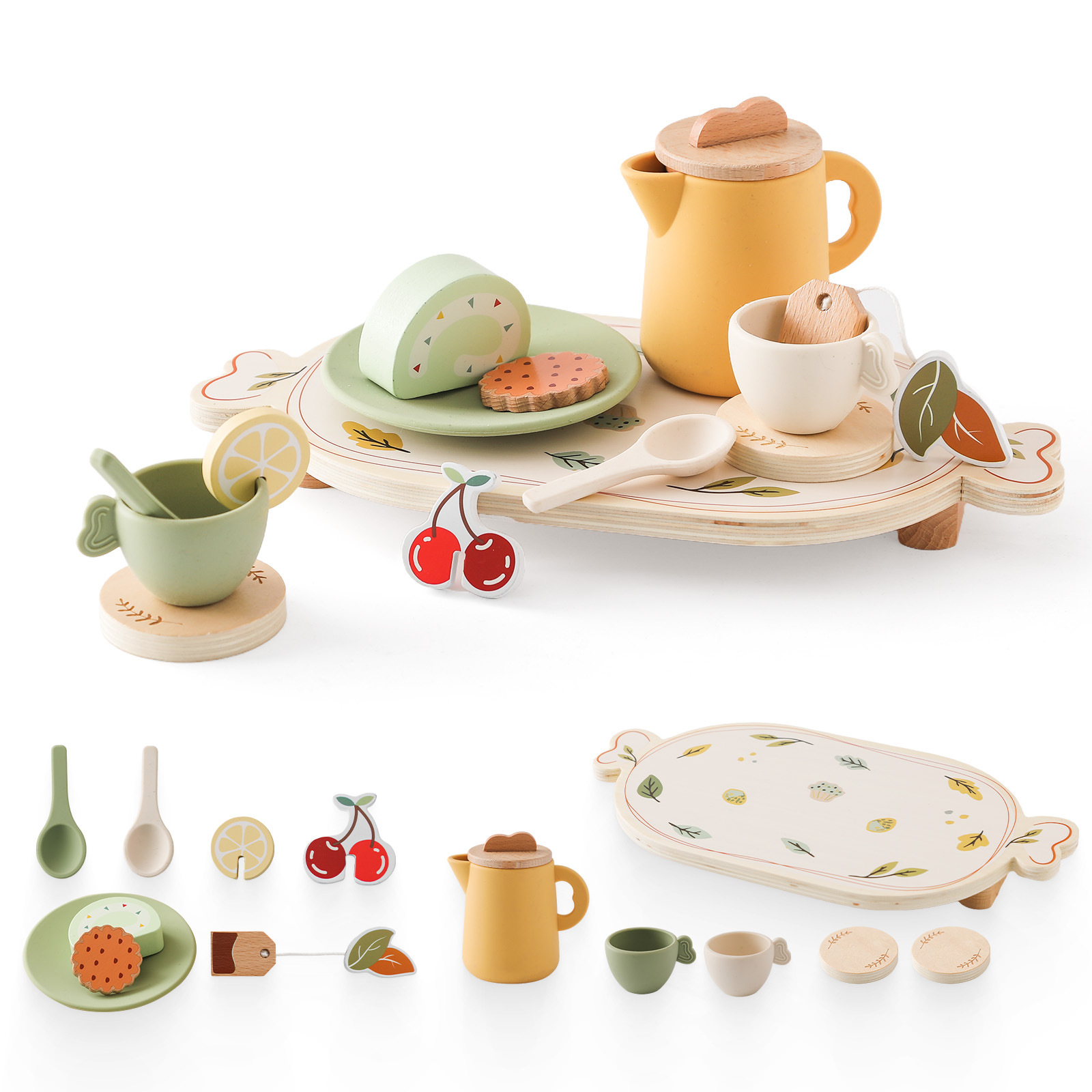
Yes. We regularly consolidate diverse lines—including Luban mortise-and-tenon sets, sensory plush, early education tea sets, and mechanical miniature cottages—into single unified shipments. This allows buyers to optimize sea-freight container cubing and broaden their product catalogs without overcommitting capital.