Featured Sensory & Decompression Product Lines
Engineered for tactile satisfaction, mechanical intrigue, and multi-sensory regulation. Available for low-MOQ test orders, full OEM custom mold engineering, and private-label retail distribution.
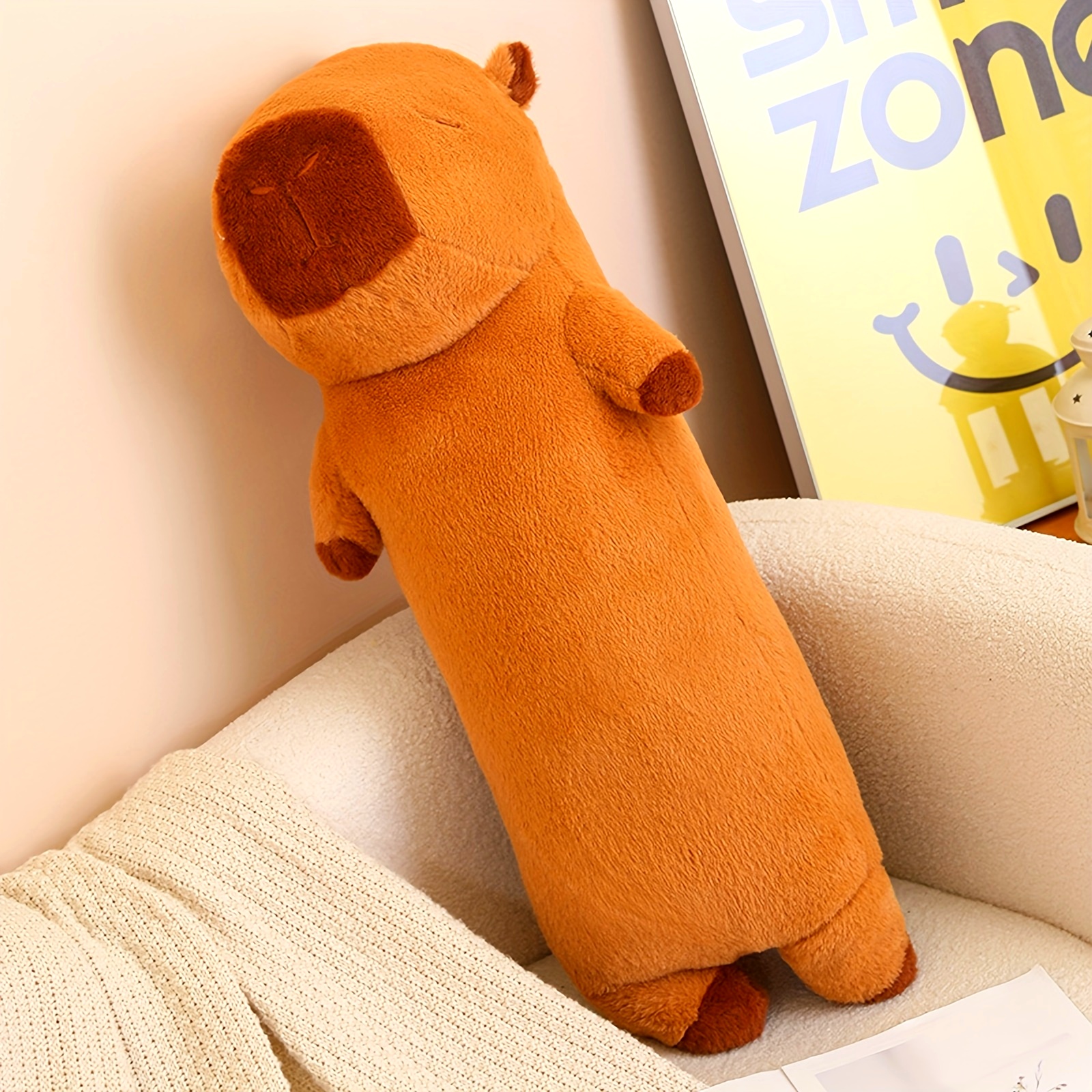
Akkun Extra-Long Capybara Plush Pillow-90cm Soft Body Cushion
90cm/35.4in high-density hollow micro-fiber filling with ultra-soft hypoallergenic velvet shell. Deep touch pressure therapy simulation.

DIY Left Bank Study Cottage 3D Wooden Assembly Model
High-precision laser-cut basswood components. Promotes sustained spatial concentration, mindfulness, and kinesthetic stress reduction.
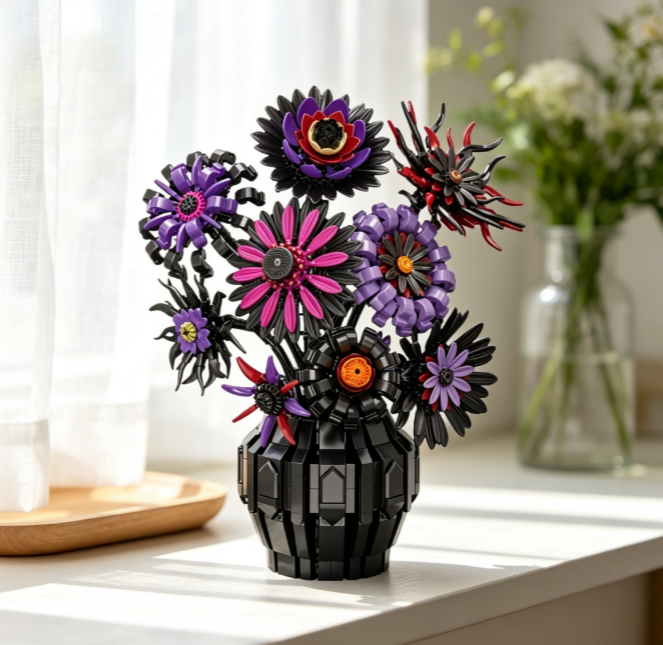
40 Piece Sunflower Building Blocks ABS Construction Bouquet
1:24 architectural scale with snap-fit interlocking tolerances (<0.03mm). Virgin medical-grade ABS plastic with vibrant botanical pigmenting.

Mechanical Rhythm 3D Assembled Wood Book Stand Miniature
Kinetic gear movement with ambient LED sensory lighting. Dual-function mechanical puzzle and executive desktop bookshelf display ornament.
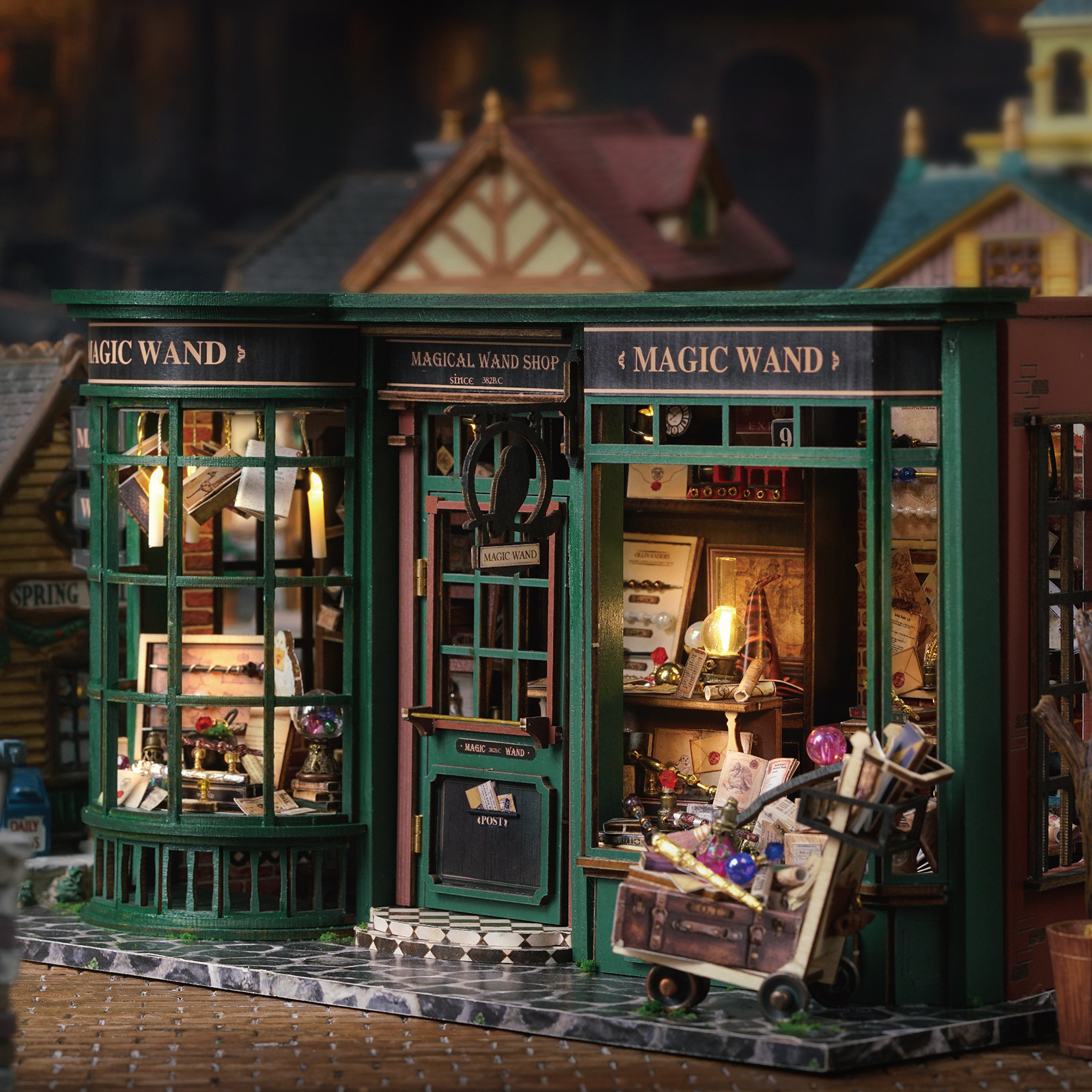
Wooden Miniature House DIY Magic Full House Retro Villa
European architectural detailing with 30x23.5x7.5cm premium gift box. FSC-certified wood boards with eco-friendly soy-based screen printing.

Smart Fun House DIY Jungle Momo Tea Double-Story Villa
Multi-textured assembly elements including miniature resin cups, wood slats, and fabric awnings. Exceptional sensory proprioceptive feedback.
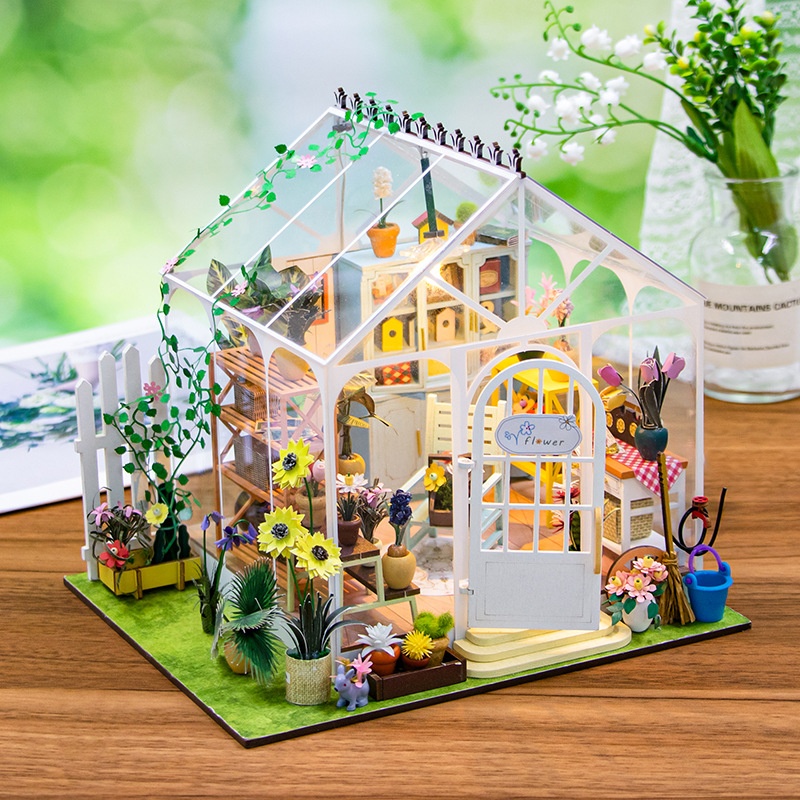
Rainbow Joy DIY Flower House Micro Landscape 3D Model
Optical-grade transparent enclosure combined with micro-architectural puzzle blocks. CE certified for educational cognitive training.

DIY Magic Book House Handmade Openable Multi-Level Model
Hinged multi-layer openable construction with hidden mortise-and-tenon mechanical compartments. Tested compliant for ages 7 through adult.
Sensory Ergonomics & The Paradigm Shift in Fidget Hardware
Analyzing the commercial trajectory from short-cycle novelty trends to clinically-informed, neurodiversity-affirmative tactile engineering and adult workplace stress management.
The global market for sensory tools and fidget toys has moved decisively beyond the era of disposable low-density plastic gadgets. Over the past five years, consumer expectations, clinical developmental psychology, and corporate ergonomic standards have converged to establish sensory toys as an enduring, high-margin category. Today, sensory fidget devices are engineered instruments of self-regulation, cognitive focus, and emotional decompression, targeted equally at neurodivergent individuals (ADHD, ASD, SPD), primary education settings, and executive desk environments.
From an OEM and ODM manufacturing standpoint, this shift has radically altered production parameters. What was once a spot-order commodity market dominated by simple silicone bubble popping molds is now a technically rigorous sector defined by haptic friction coefficients, shore durometer acoustic dampening, non-toxic food-grade silicone chemistry, and heirloom-grade joinery tolerances. At Hangzhou Aitoybots Trading Co., Ltd., we have monitored and driven this transformation across our manufacturing facilities in Zhejiang, translating over 14 years of artisanal joinery and precision tooling into state-of-the-art sensory stimulation devices.
As modern professionals spend over 8.5 hours daily exposed to blue light and high-intensity digital interfaces, sensory fatigue has emerged as a pervasive physical concern. The human nervous system requires tactile proprioceptive feedback—the kinesthetic sensation of pressure, rotational momentum, and geometric surface variation—to balance cognitive load. Our custom sensory lines, ranging from mechanical rhythm assemblies to high-resistance silicone slow-rebound formulations, are engineered specifically to supply this sensory input without generating disruptive auditory or visual noise.
Neurodiversity & Sensory Wellness
Transitioning from impulse novelty to therapeutic-grade sensory integration tools. Increasing institutional demand from occupational therapists, special education districts, and sensory-friendly workplace initiatives across North America and Western Europe.
The "Kidult" Executive Boom
Adult desk decompression represents the fastest-expanding revenue segment in sensory retail. Sophisticated desktop models, architectural 3D wooden puzzles, and silent tactile kinetic sculptures deliver premium retail price points ($30–$85 MSRP) with superior retention margins.
Sustainable Polymer & Timber Science
Phasing out petrochemical PVCs in favor of medical-grade platinum-cured liquid silicone rubber (LSR), post-consumer recycled ABS, and FSC-certified natural beech and basswood harvested from verified sustainable forests, fully compliant with EU Green Deal packaging directives.
Global Sourcing Dynamics: The 2025–2030 Procurement Playbook
How tier-one importers, department store distributors, and private-label e-commerce brands are mitigating regulatory risk, reducing landed freight costs, and securing supply chain agility.
B2B procurement professionals face a drastically altered sourcing landscape. The historical approach of buying off-the-shelf catalog toys via third-party traders is no longer viable in an era characterized by rigorous chemical compliance directives, rising port demurrage variables, and dynamic retail inventory cycles. Category directors and supply chain managers require integrated manufacturing partners that operate as technical extensions of their own product development units.
First, compliance standards have escalated beyond rudimentary physical sharp-edge screening. The European Union's revised Toy Safety Directive (2009/48/EC) and incoming Toy Safety Regulation (TSR) impose stringent limits on micro-chemical migrations, endocrine disruptors, per- and polyfluoroalkyl substances (PFAS), and allergenic fragrances. Concurrently, the United States Consumer Product Safety Commission (CPSC) enforces rigorous testing under ASTM F963-23 and CPSIA, requiring comprehensive lead, heavy metal, and phthalate testing down to fractional parts-per-million (ppm). Importers who partner with unverified factories face catastrophic customs seizures, platform delistings, and recall liabilities.
Second, agile inventory strategies have supplanted massive annual speculative inventory bets. Progressive retail brands now deploy a "Core-and-Sprint" procurement architecture: establishing baseline production runs for evergreen items while executing rapid low-MOQ test orders (from 20 to 500 units) for emerging trend variations. Factories must support swift tool modifications, rapid digital packaging prototyping, and steady ~30-day container replenishment cadences to prevent over-stock capital lockups.
| Procurement Dimension | Legacy Commodity Factory | Aitoybots OEM / ODM Engineering Standard | Strategic Commercial Impact |
|---|---|---|---|
| Chemical & Safety Compliance | Generic, batch-shared certificates; high risk of non-conformance. | Full lot-level CE, EN71 (Parts 1-3), ASTM F963-23, and CPSIA certified testing by third-party labs (SGS/TÜV). | 100% customs clearance pass rate across EU & US entry points; zero platform suspension risk. |
| Minimum Order Quantities (MOQ) | Strict 3,000–5,000 pcs per SKU; prohibitive for inventory testing. | Low barrier entry: Catalog SKUs start at 2–20 pcs; custom private-label projects configured from 200–500 pcs. | Enables rapid A/B consumer market testing, higher cash-flow velocity, and reduced dead-stock liability. |
| Engineering & Tooling Tolerances | Standard injection tolerances (±0.2mm); frequent mechanical seizure. | Sub-0.05mm laser-cut kerf precision; high-durability hardened steel molds with 500,000+ cycle warranties. | Exceptional sensory tactile smoothness, tight snap-fit closures, and near-zero post-purchase return rates. |
| Quality Control Protocol | End-of-line spot visual check on 2% of total master cartons. | Systematic 6-Stage Closed-Loop QA Protocol with documented 0.3% maximum defect threshold. | Guarantees 4.8+ star Amazon/Retail buyer ratings and protects brand equity against defect claims. |
| Lead Times & Turnaround | Unpredictable 60–90 day cycles; seasonal bottleneck delays. | Consistent ~30-day average production lead time; dedicated rapid-sampling prototyping team. | Accurate container-loading scheduling, seamless Q4 peak fulfillment, and responsive restocking. |
Why Top Global Retailers Partner with Aitoybots
Born in a dedicated Jinhua woodworking facility in 2011, Hangzhou Aitoybots Trading Co., Ltd. has grown into an international contract manufacturing leader, delivering over 5 million educational and sensory toys to premium brands worldwide.
Our competitive advantage lies in the direct synthesis of ancestral Chinese woodworking heritage—specifically the intricate precision of mortise and tenon (Sunmao) joinery—with modern high-throughput precision automation. While conventional toy exporters subcontract critical stages across fragmented vendor networks, Aitoybots maintains centralized control over raw lumber seasoning, laser micro-cutting, non-toxic pigment roller-coating, dust-free cleanroom silicone molding, and specialized multi-level blister packaging.
Every wooden component is processed from responsibly sourced, kiln-dried timber (beechwood, basswood, and pine) stabilized to maintain a constant moisture content between 8% and 12%, completely eliminating warping, cracking, or splintering across diverse international climatic zones. For our flexible tactile squeeze and fidget toys, we exclusively process food-contact grade, phthalate-free elastomers engineered for superior resilience, memory retention, and skin-friendly haptic friction.
With more than 80% of our annual shipping volume directed to discerning clients in Germany, France, the United Kingdom, the United States, Canada, and Scandinavia, our multilingual engineering and account management personnel operate with complete mastery over Western commercial regulations, EDI data protocols, barcode labeling guidelines, and Amazon FBA warehouse prep mandates.
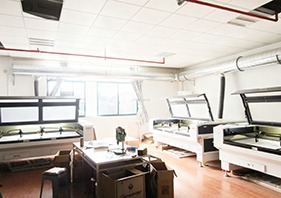
Modernized Production Floor
Spacious, automated fabrication lines equipped with CNC routers, multi-axis lasers, and cleanroom assembly cells.

Precision Joinery Heritage
Master woodcrafters integrating traditional interlocking tenon logic with modern tight-tolerance tactile engineering.
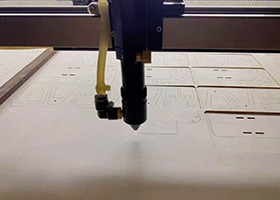
Rigid 6-Stage QC System
Every batch undergoes incoming raw material screening, in-line dimensional checks, tensile stress tests, and 0.3% defect verification.
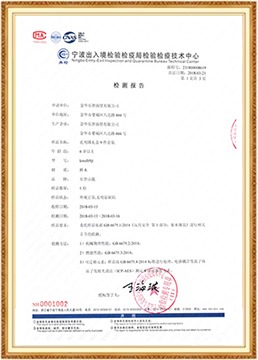
Global Compliance Certified
Audited lab documentation for CE, EN71, ASTM F963-23, and CPSIA. Transparent traceability for every exported production lot.
B2B Procurement & Technical Customization FAQ
Direct, transparent technical answers addressing minimum order volumes, material safety verifications, tooling turnaround times, and private-label contract parameters.
What is your Minimum Order Quantity (MOQ) for catalog items vs. custom OEM/ODM molds?
Which international toy safety and chemical standards do your sensory fidget toys comply with?
What are your typical turnaround lead times for prototyping, tooling, and mass production?
- Rapid Prototyping & 3D Samples: 3 to 7 business days for SLA resin, 3D printing, or CNC wooden cutouts.
- Custom Steel Tooling & Mold Fabrication: 18 to 25 business days, including initial T1 mold trial samples for client sign-off.
- Mass Production: Approximately 30 days following sample approval and deposit confirmation.
- Express Restocking: For active catalog SKUs with pre-stocked raw components, dispatch can occur within 7 to 10 working days.
How do you ensure sensory durability and prevent tearing in silicone and elastomer fidgets?
Can you support full private-label packaging, Amazon FBA preparation, and barcoding?
How do you handle intellectual property (IP) protection and non-disclosure agreements (NDAs)?
Ready to Scale Your Sensory & Educational Toy Portfolio?
Connect directly with our engineering and procurement team in Hangzhou. Receive real-time B2B tiered wholesale pricing, technical CAD consultations, complete lab compliance documentation, and custom OEM sample shipments.