Engineered Wooden Kits & Mechanical Screen-Free Models
Tactile assembly kits precision-milled from sustainable timbers, calibrated for immersive fine-motor development, spatial reasoning, and zero digital fatigue.
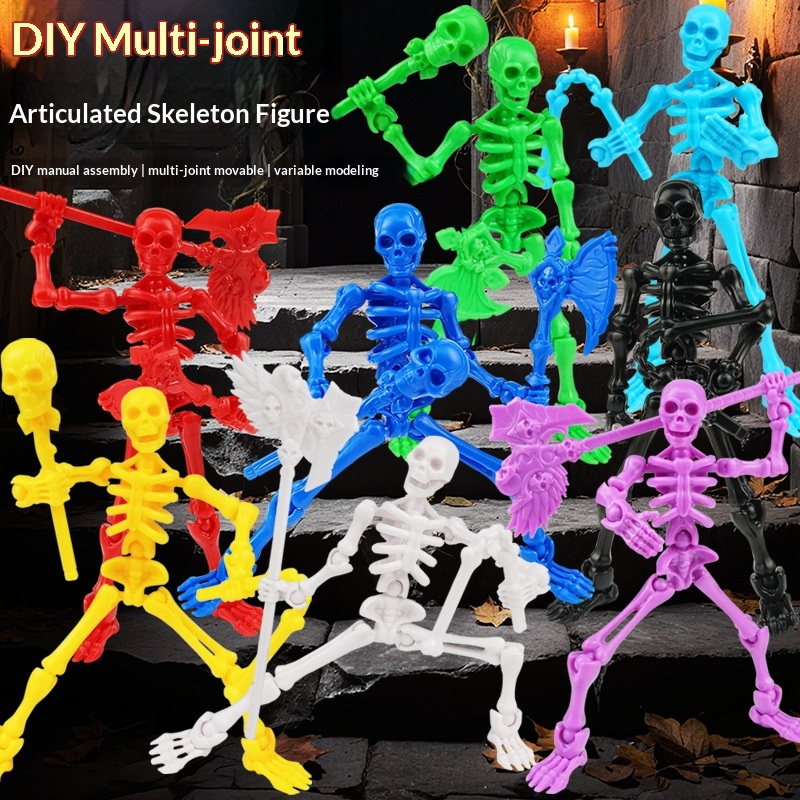
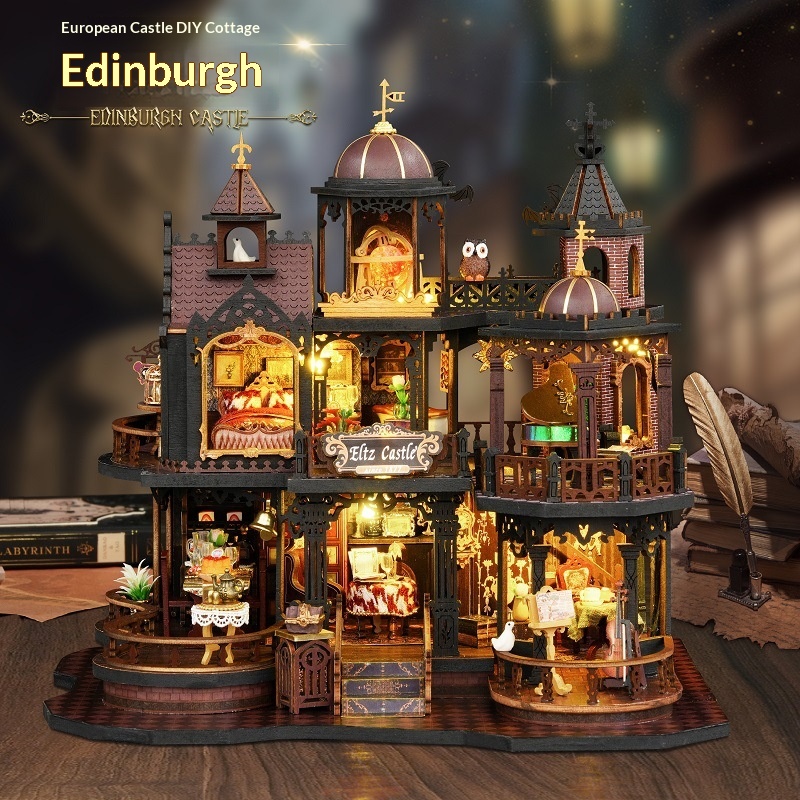

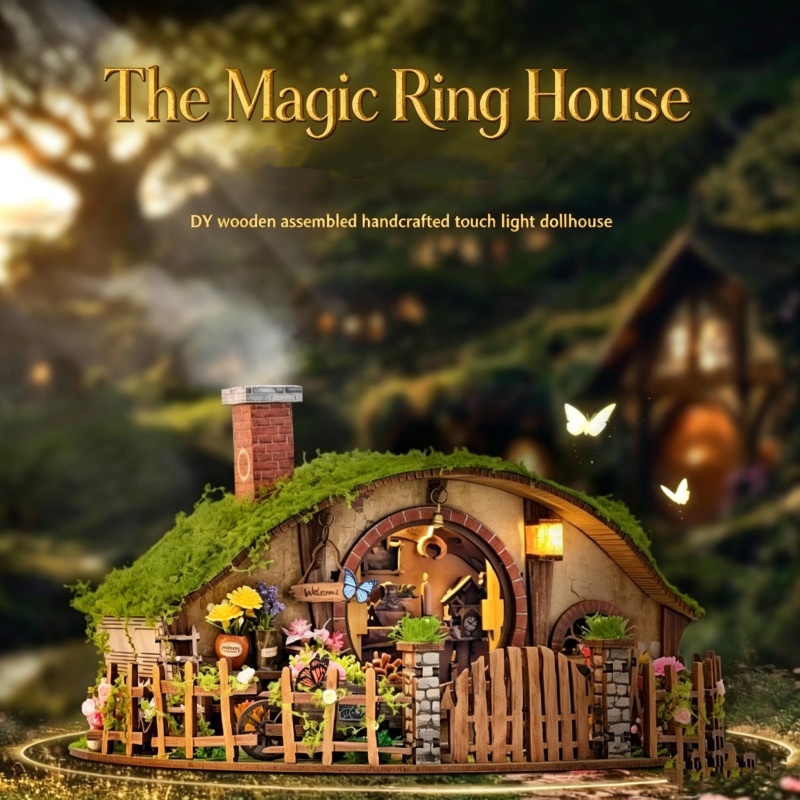
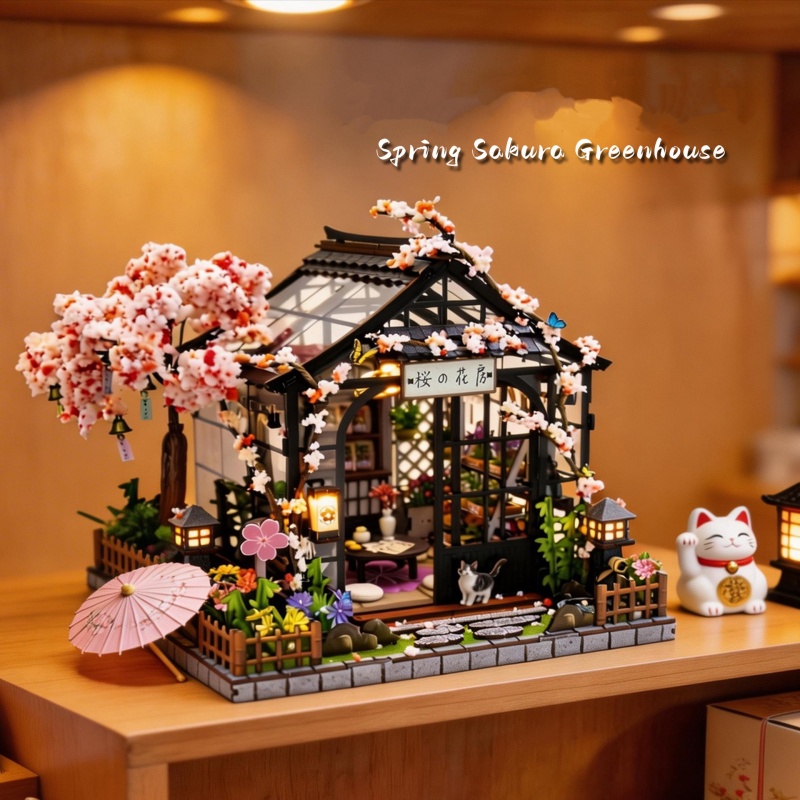
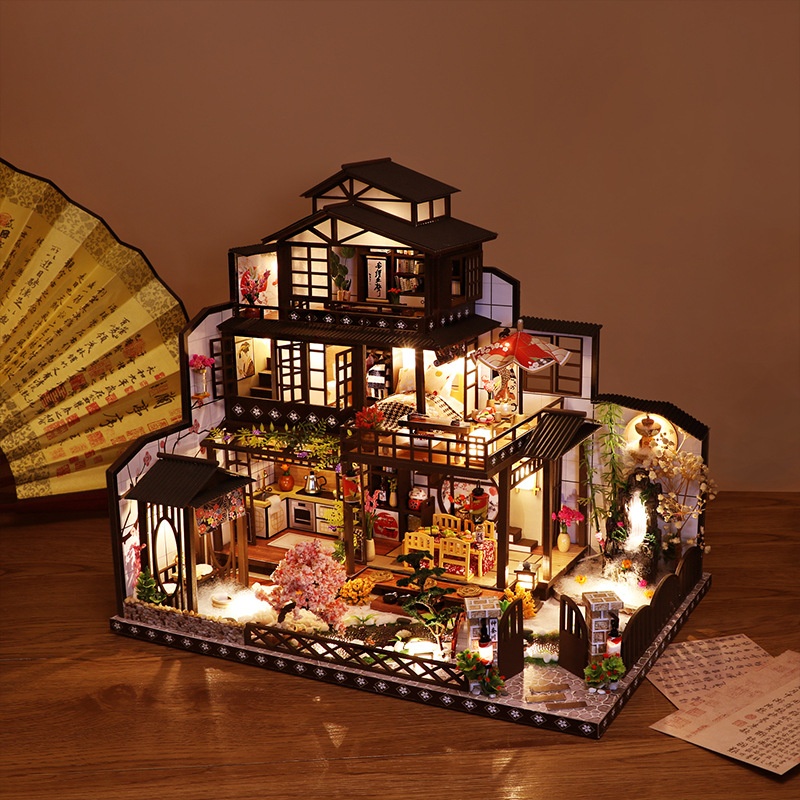
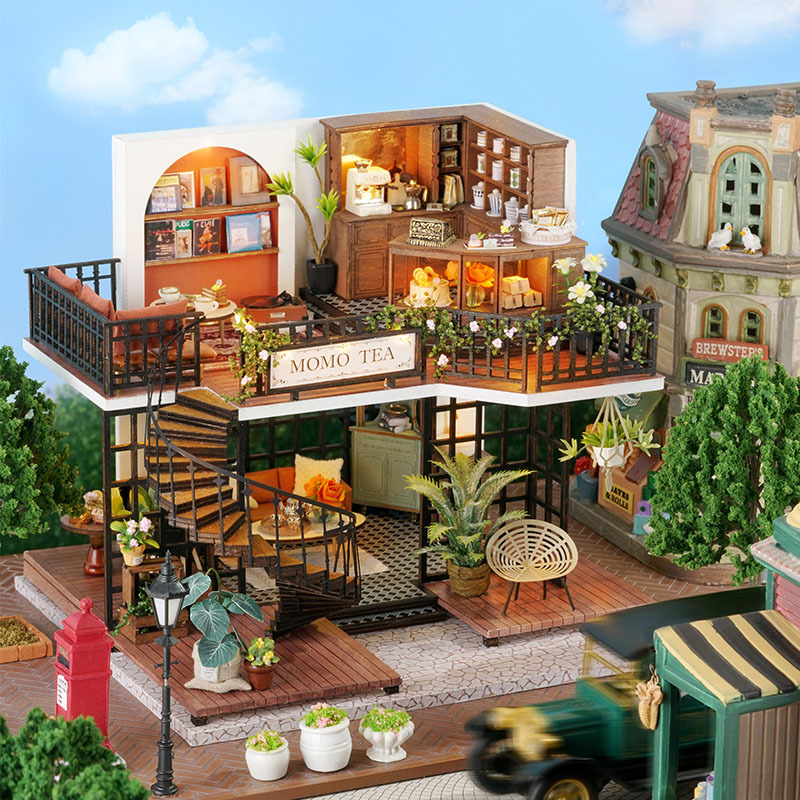
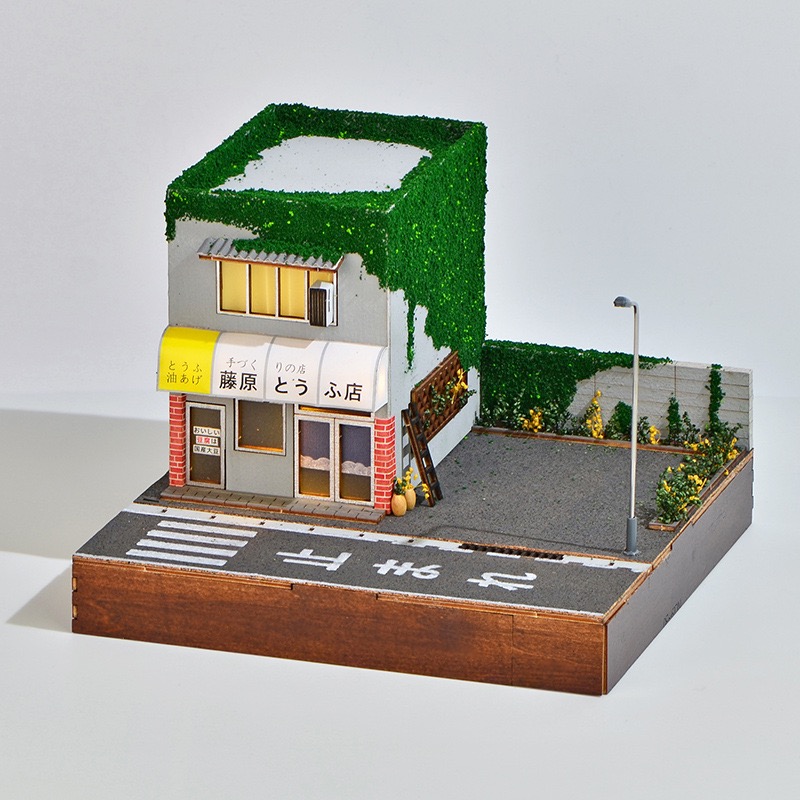
The Renaissance of Tactile Engineering: Why Global Brands Are De-Digitalizing Playrooms
In an era dominated by ubiquitous screen exposure, high-stimulation algorithmic media, and passive interactive apps, a structural shift is taking place across the international toy and educational supply chain. Global retail buyers, school systems, museum merchandisers, and boutique lifestyle curators are deliberately allocating greater shares of their open-to-buy budgets to tactile, mechanical, and screen-free play solutions. This paradigm pivot is driven not merely by nostalgic aesthetics, but by definitive developmental neuroscience and acute consumer fatigue.
Pediatric researchers and developmental cognitive psychologists increasingly emphasize that three-dimensional sensory engagement—such as tactile friction, structural balance, rotational resistance, and spatial problem-solving—cannot be replicated by capacitive touchscreens. Tangible toys require a child or hobbyist to cultivate proprioceptive awareness, bilateral motor coordination, frustration tolerance, and three-dimensional visualization. As institutional buyers evaluate the post-pandemic learning landscape, products engineered around traditional mortise-and-tenon mechanics, interlocking wooden architectures, and biomimetic kinematics are outperforming purely electronic counterparts in consumer retention and customer lifetime value (LTV).
Micro-Tolerance Joinery: The Engineering Moat Behind Premium OEM Woodcraft
Traditional wooden toys frequently suffer from dimensional instability, warping, or tight-joint failure caused by environmental fluctuations in temperature and relative humidity. For enterprise brands sourcing custom OEM lines, selecting a manufacturing partner capable of executing sub-millimeter precision joinery is the critical differentiator between widespread product returns and five-star retail reviews.
At Hangzhou Aitoybots Trading Co., Ltd., our engineering foundation traces back to 2011 in Jinhua, Zhejiang—a province celebrated for millennia of mastery in mortise-and-tenon architectural woodwork. We modernize this ancestral discipline through multi-axis computerized CNC routing and ultra-high-definition laser profiling. By calibrating wood moisture content between 8% and 12% prior to production and utilizing triple-sanded basswood composites, our wooden kits achieve interlocking tolerances under 0.02 mm. This exactitude eliminates the necessity for chemical adhesives, providing a seamless "click-to-lock" friction fit that preserves safety, non-toxicity, and effortless structural cohesion.
Key Product Development Trends in Screen-Free Toy Engineering
Strategic analysis of product architecture, material innovations, and consumer demand shaping the future of tactile manufacturing.
1. Architectural Narrative Miniature Environments
Consumers are transitioning away from generic block-stacking toward highly immersive narrative assemblies. Miniature libraries, multi-level greenhouses, and heritage street dioramas (such as the 1:64 scale scenes) bridge the boundary between youth cognitive toys and adult decompression hobbies, broadening the target demographic from ages 6 to 65.
2. Pure Kinematic & Biomimetic Mechanical linkages
Rather than using battery-powered integrated micro-controllers, the modern screen-free movement prizes clockwork mechanisms, cam-driven mechanical crabs, gear-train linkages, and kinetic illusion rings. Assembling physical gear reductions allows users to tangibly inspect fundamental physics and engineering principles firsthand.
3. Circular Raw Material Compliance & Zero Plastic Packaging
Import regulations in the European Union (EU Toy Safety Directive revisions) and the US (ASTM F963-23/CPSIA) are rigorously penalizing excessive microplastics, volatile organic solvents, and non-recyclable coatings. Forward-thinking suppliers prioritize FSC-certified basswood, vegetable soy printing inks, and biodegradable molded fiber pulp interior trays.
Global Sourcing Trends & Supply Chain Risk Mitigation
A data-informed comparison for category managers balancing inventory turnover, lead times, and regulatory liabilities.
| Evaluation Factor | Traditional High-Volume OEM | Fragmented Trading Brokers | Aitoybots Agile OEM/ODM Partnership |
|---|---|---|---|
| Initial MOQ Hurdle | 2,000 – 5,000 Units per SKU | 500 Units (mixed quality batches) | 2 – 20 Pcs (Catalog) / Custom Scalable |
| Defect Control (AQL Standard) | AQL 2.5 Major / 4.0 Minor (approx. 1.5%) | Variable / Secondary Trading Arbitrage | <0.3% Verified Defect Ratio (6-Stage QC) |
| Certification Documentation | Often outdated generic test reports | Third-party vendor pass-through | SKU-Specific CE, EN71-1/2/3, ASTM F963 |
| Prototyping & Sampling | 45 – 60 Days with tooling surcharges | Limited to catalog stock variations | 7 – 10 Days In-House Precision CAD Prototyping |
| Supply Chain Resilience | Inflexible, extended batch scheduling | High supply discontinuity risk | ~30-Day Steady Lead Time & Inventory Buffer |
Navigating Landed Cost Optimization in 2025+ B2B Toy Purchasing
Procurement directors often mistakenly focus exclusively on the ex-factory unit quotation (FOB or EXW), ignoring the significant financial drag associated with inventory carrying costs, high minimum order thresholds, and customs compliance bottlenecks. In the screen-free wooden and mechanical toy sector, an inflexible order for 3,000 units that requires four months of warehouse storage can eradicate operating margins if consumer tastes shift or holiday seasonal sell-through lags.
A modern agile procurement strategy relies upon "Micro-Batch Validation." By selecting a manufacturing partner capable of supporting modest initial minimum order volumes (starting from 2 to 20 units for baseline models, and scaling smoothly into full 40-foot container volumes), enterprise retailers can systematically test regional market response across diverse themes—ranging from Japanese architectural book stands to bio-mechanical robots—prior to committing heavy capital reserves. Furthermore, consolidating freight with pre-cleared customs documentation (CE and ASTM EN71 reports) eliminates costly port inspection delays and compliance remediation penalties.
Enterprise Advantages: Why Tier-1 Brands Entrust Aitoybots
Rooted in historic craftsmanship, scaled with modern automated machinery, and backed by comprehensive export governance.
6-Stage Rigorous Quality Inspection Protocol
From initial moisture sensor equilibrium checks of timber stock to automated laser kerf calibration, tactile assembly tension tests, non-toxic heavy metal spectroscopic screening, drop-test impact validation, and final barcoded packaging audits—our verified defect rate remains rigorously under 0.3% across multi-million piece shipments.
80% North American & European Distribution Focus
Our operational infrastructure is purpose-built to comply with strict transatlantic regulatory frameworks. We maintain extensive compliance dossiers for CE, EN71-1, -2, -3, REACH Annex XVII, ASTM F963-23, and CPSIA requirements. Over 200 high-growth e-commerce brands and 50+ institutional educational organizations rely on our turn-key documentation for friction-free customs clearance.
Integrated OEM & ODM Design Engine
Whether you require white-label localized gift box packaging, custom embossed wood branding, bespoke pantone color variations, or ground-up structural transformation of kinetic mechanical components, our in-house industrial CAD and structural engineering team delivers rapid prototype samples within 7 to 10 working days.
Agile ~30-Day Turnaround & Supply Continuity
With consolidated material stockpiles and high-speed multi-head laser cutting suites operating across synchronized shifts, our average standard production turnaround is approximately 30 calendar days following pre-production sample sign-off. This agility protects our distributor partners from seasonal inventory stockouts during peak retail quarters.
Frequently Asked Sourcing & Manufacturing Questions
Direct technical answers addressing minimum order volumes, intellectual property protection, material safety compliance, and OEM logistics.
What are the entry Minimum Order Quantities (MOQ) for catalog items versus custom OEM development?
Which international toy safety directives and compliance test certificates are provided?
How does Aitoybots safeguard proprietary OEM designs, branding, and intellectual property?
How do you prevent wooden model parts from swelling, warping, or splintering in diverse transit climates?
What is the step-by-step workflow for launching a new private-label screen-free toy line?
1. Conceptual Alignment & DFM Review: Our engineers evaluate your 2D/3D models for structural integrity, kerf clearances, and packaging optimization.
2. Rapid Prototyping (7–10 Days): Physical laser-cut samples are constructed, assembled, and dispatched via express air courier for your tactile evaluation.
3. Pre-Production Golden Sample: Following revisions, a finished sample complete with master carton printing and instruction manuals is approved.
4. Mass Production & QC (~30 Days): Production is executed under continuous optical and mechanical quality auditing, culminating in third-party pre-shipment inspections (PSI) and container dispatch.
Can you accommodate multi-language instruction manuals and complex drop-tested consumer packaging?
Initiate Your Custom Screen-Free Toy OEM Project Today
Connect directly with our senior engineering and export consultation team in Hangzhou. Receive comprehensive wholesale price schedules, CAD feasibility analysis, and rapid prototype turnarounds within 24 hours.