Engineered Kinesthetic & Assembly Toys for Cognitive Motor Mastery
Hand-eye coordination forms the neurological baseline for fine-motor control, spatial logic, and cognitive problem-solving. Review our factory-verified assembly sets, kinetic mechanisms, and tactile developmental models engineered for international retail and institutional procurement.
The Biomechanical Imperative: Deconstructing Hand-Eye Coordination in Toy Manufacturing
Hand-eye coordination (visual-motor integration) is the orchestrated synchrony between visual percept input, cortical processing, and neuromuscular execution. When purchasing toys targeted at early learning centers, retail consumer chains, and developmental therapy clinics, B2B procurement officers are evaluating neurological instruments rather than mere novelties. As screens dominate childhood, institutional demand for tactile, screen-free kinesthetic toys has surged by double digits across North America and Western Europe.
From a manufacturing standpoint, toys engineered for visual-motor enhancement must systematically train three distinct neurological facets: saccadic eye tracking (rapid ocular positioning), fine pincer grasp control (controlled isometric thumb-forefinger tension), and bilateral motor integration (the simultaneous, non-symmetric use of both hands). A model kit requiring interlocking mortise-and-tenon joints, such as the DIY Miniature Wooden Magic Moon Pavilion or our classical Kongming Lock Puzzles, forces the brain to calculate depth, rotational symmetry, and precise physical resistance down to fraction-of-a-millimeter increments.
Oculomotor Spatial Mapping
Children must visually translate 2D pictorial blueprinted steps into physical 3D volumetric space, activating parietal lobe spatial computation through tangible assembly.
Proprioceptive Tactile Feedback
Carefully calibrated wood grain friction and mechanical resistance provide the sensory nervous system with instant feedback on applied grip force and kinetic alignment.
Bilateral Hemispheric Synapse
Stabilizing a structure with one hand while inserting micro-components with the other establishes cross-callosal neural communication critical for developmental dexterity.
Hangzhou Aitoybots Trading Co., Ltd. addresses these developmental requirements by employing computerized CNC laser slicing that holds wooden slotting tolerances to within ±0.05mm. This exacting standard prevents two common factory failure modes: loose-fitting parts that eliminate proprioceptive challenge, and excessively tight tolerances that frustrate young users and cause structural splintering.
Global Sourcing Analysis: Market Drivers and Future Trends (2025–2030)
The global educational toy sector is undergoing a profound structural pivot. Category managers from multinational toy retailers, European boutique distributors, and Amazon FBA enterprise brands are revising their supplier scorecards to align with four megatrends:
1. Decarbonization and Natural Composite Substrates
Single-use polymers and petroleum-heavy plastics face rising regulatory friction through expanded EPR (Extended Producer Responsibility) schemes across the European Union and state-level packaging mandates in the United States. Importers are migrating their core catalogs toward certified sustainable Linden plywood (Basswood), Russian birch, and replenishable bamboo composites. Basswood has emerged as the premier substrate for hand-eye coordination puzzles because its tight, uniform grain resists splintering, absorbs water-borne non-toxic stains evenly, and provides uniform structural shear strength during intricate manual press-out routines.
2. Kinetic Hybridization: Merging Static Craft with Micro-Mechanics
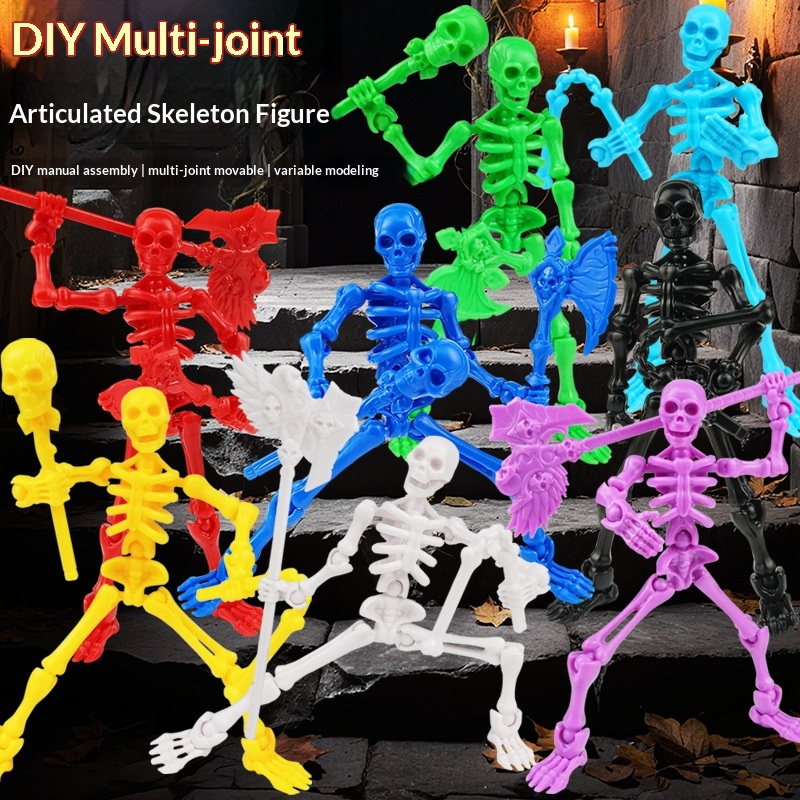
Static building blocks are yielding market share to dynamic kinetic assemblies. Current consumer search volume reflects accelerating interest in mechanical linkage kits, multi-joint action figure toys, and gear-train automata. Integrating working planetary gears, escapement wheels, and gravity-driven marble pathways into traditional architectural sets challenges older children (ages 8–14) and adults, tapping into the flourishing "kidult" decompression market.
3. Low-Risk Agile Inventory Protocols (De-Risking Supply Chains)
The era of committing to 5,000-piece single-SKU production runs without localized market validation has ended. Leading Chinese exporters now offer hybrid fulfillment: holding high-grade unbranded inventory ready for automated rapid-pad printing, modular packaging customizations, and dropship sample testing with minimum order quantities as accessible as 2 to 20 pieces per SKU. Once sell-through velocities are proven, accounts scale seamlessly to 40-foot high-cube container programs.
| Evaluation Parameter | Aitoybots Manufacturing Standard | Generic Commodity Toy Exporters | Procurement Advantage Impact |
|---|---|---|---|
| Laser Cutting Precision | ±0.05 mm optical galvanometer tolerance | ±0.35 mm mechanical die-cut punch | Zero friction-jamming; no tool requirement for assembly |
| Surface Finish & Edge Safety | Dual-drum vibration polishing + deburred chamfers | Single-pass rough blade cutting | Zero splinter liability; compliant with EN71-1 physical safety |
| Chemical Safety & VOCs | Zero-formaldehyde soy adhesive & water polyurethanes | Standard urea-formaldehyde industrial glues | Passes ASTM F963-23 soluble heavy metal and EN71-3 assays |
| Entry MOQ Strategy | 2 to 20 units per catalog SKU for real market tests | 500 to 2,000 units minimum per design variant | Mitigates channel inventory risk; facilitates agile A/B retail testing |
| Export Compliance Suite | Batch-traceable CE, EN71, ASTM, UKCA, REACH dossiers | Generic unverified lab certificates | Frictionless customs clearance in Rotterdam, Hamburg, Long Beach |
Factory Pedigree: Hangzhou Aitoybots Engineering Competence
Originating in a dedicated woodworking workshop in Jinhua, Zhejiang Province, in 2011, Hangzhou Aitoybots Trading Co., Ltd. has developed over 14 years into an integrated research, design, and manufacturing export enterprise. Our operations blend China's millennial legacy of architectural joinery—specifically mortise and tenon interlocking structures—with modern computerized production lines.
Operating under an absolute 0.3% defect tolerance, our workshops implement a rigorous 6-stage Quality Control protocol throughout production:
1. Substrate Spectrometry
Timber core sheets undergo infrared moisture balance checks (targeted 8%–12% content) to eliminate warping during maritime transit through tropical zones.
2. Micro-Calibrated Laser Profiling
Multi-axis CO2 laser gantries cut mortise joints, tenons, and registration tabs with continuous optical autofocus to ensure clean edges and zero carbon scorching.
3. Mechanical Stress & Drop Testing
Assembled prototypes undergo multi-plane gravity drop tests from 1.5 meters onto hardened concrete to verify snap-fit retention without brittle failure.
Today, Aitoybots exports approximately 80% of its total output to Europe and North America, serving over 200 dynamic e-commerce retailers, boutique museum stores, and 50+ specialized early education institutions. We provide end-to-end OEM/ODM execution, including customized multi-language full-color packaging, laser logo engraving, custom assembly manual illustrations, and localized barcode/EAN labeling compliant with international logistics standards.
Comprehensive Strategic B2B Procurement FAQ
Procuring educational toys from China requires clarity regarding technical specifications, safety certifications, logistics handoffs, and private labeling. Here are authoritative answers to the questions most commonly raised by our international buying partners:
What is the standard minimum order quantity (MOQ) for catalog items vs. customized OEM orders?
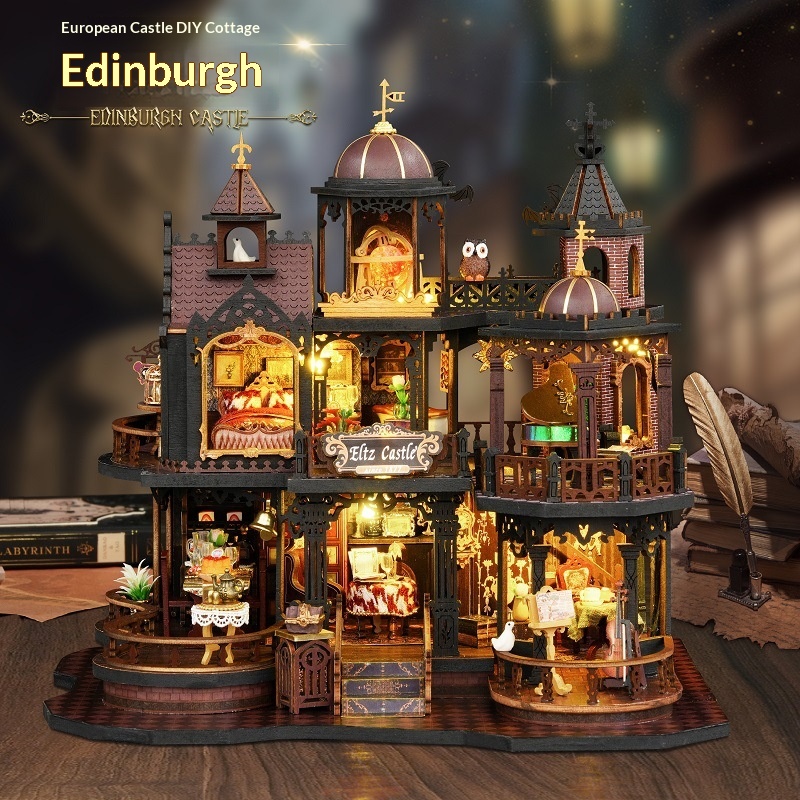
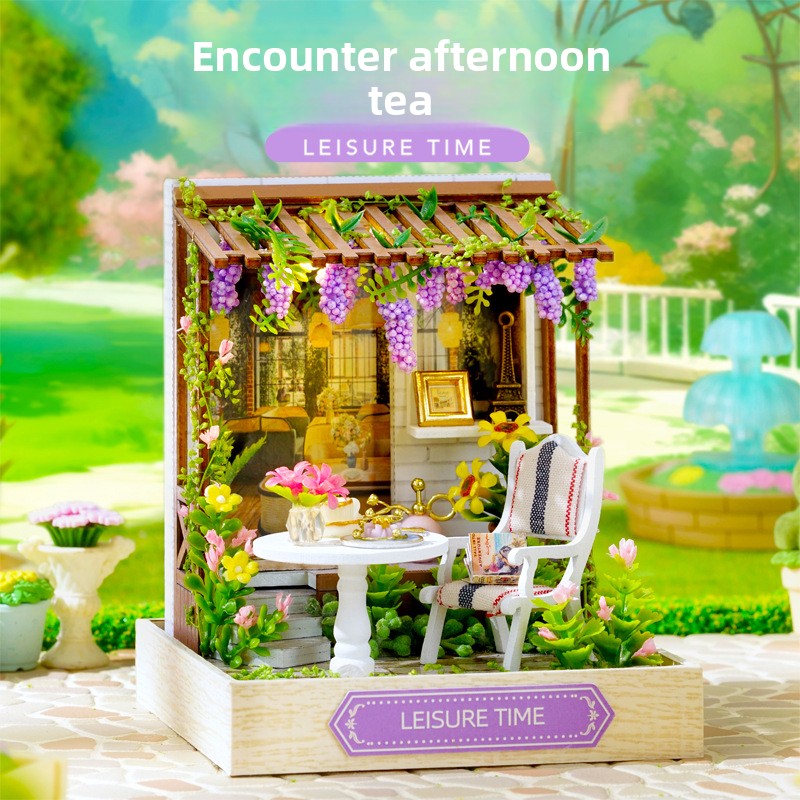
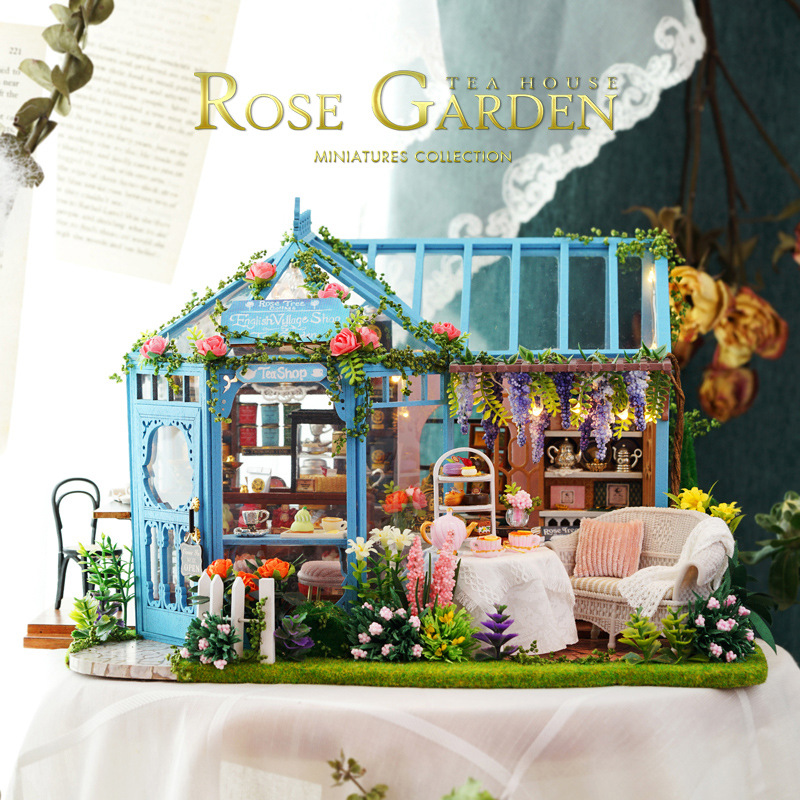
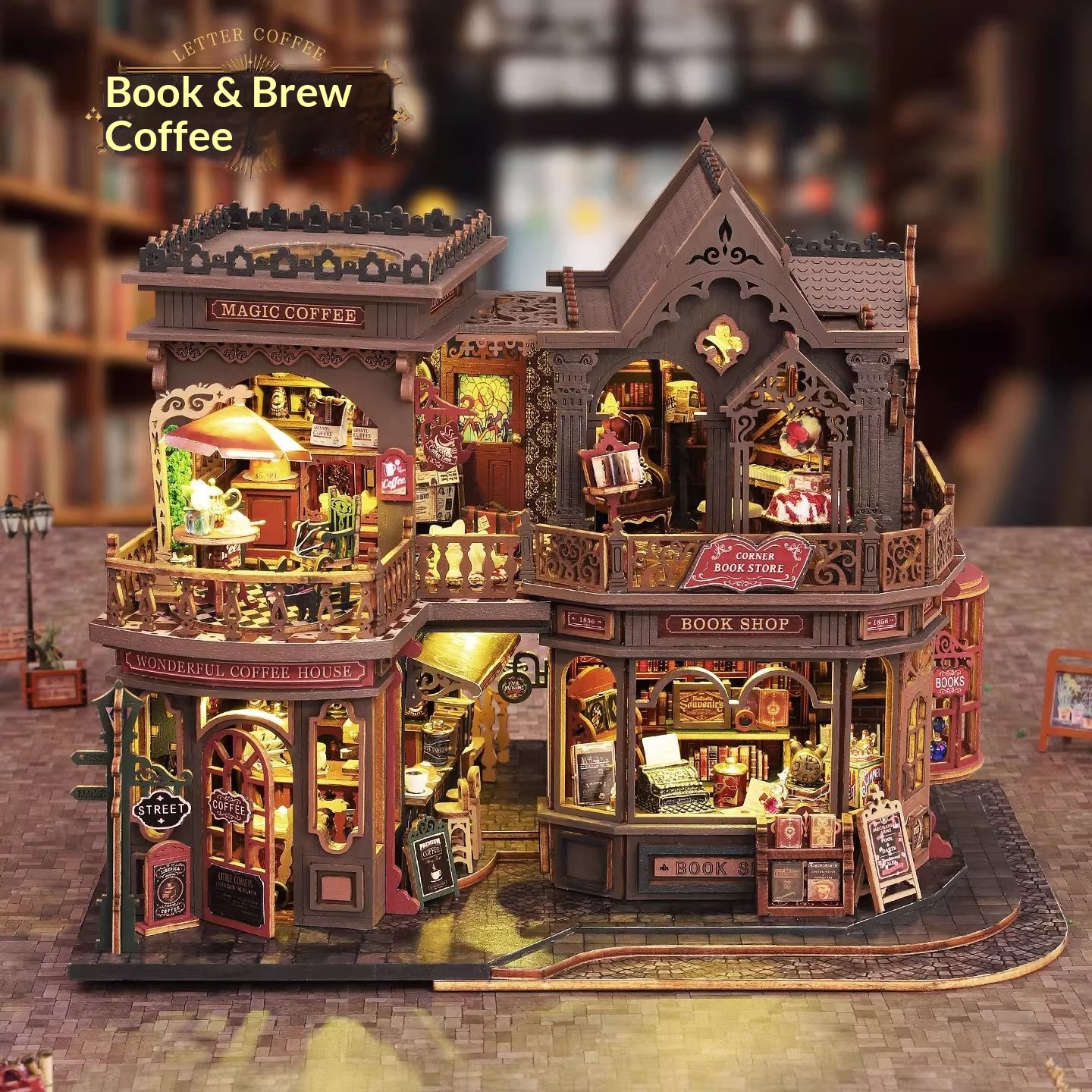
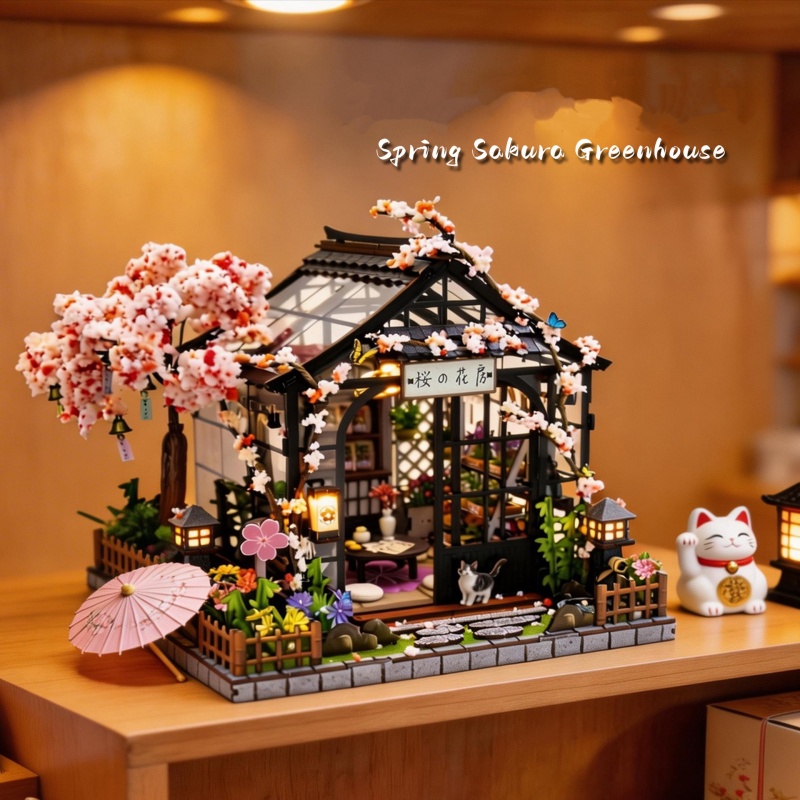
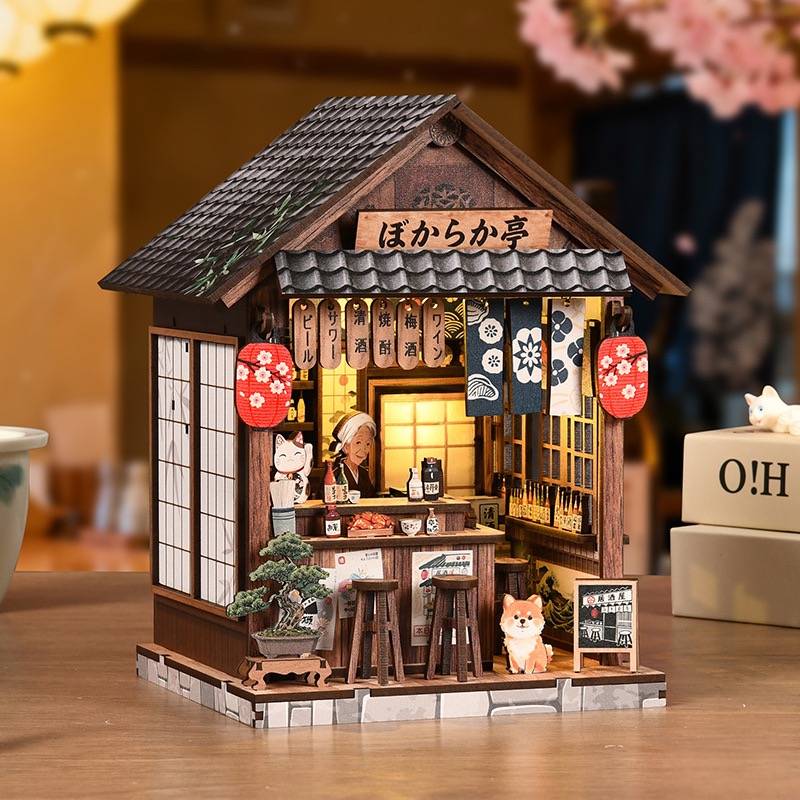
For catalog items (such as the 3D wooden cottages, miniature architecture kits, and action figures shown above), our MOQ starts at just 2 to 20 units per SKU. This enables distributors to test customer demand with minimal capital commitment. For bespoke OEM/ODM manufacturing involving custom laser patterns, specialized packaging, or private-label branding, project MOQs typically range between 500 and 1,000 units depending on structural complexity.
Which toy safety standards and compliance test reports can you provide for EU and US customs?
Every toy family produced in our facilities complies with CE, EN71 (Parts 1, 2, and 3), and ASTM F963-23 / CPSIA regulations. We work directly with accredited international testing agencies (SGS, TÜV, Intertek) to certify non-toxicity, zero heavy metal migration, flame retardancy, and the absence of hazardous sharp points or small-part choking risks for designated age classifications.
What is your typical production turnaround and sample delivery schedule?
In-stock sample orders dispatch within 48 to 72 hours via international air couriers (FedEx, DHL, UPS). Bespoke OEM functional prototypes typically require 7 to 10 working days from approved CAD drawings. Mass containerized production averages approximately 30 calendar days following pre-production sample approval and deposit confirmation.
How are delicate wooden architectural components safeguarded against warping and maritime humidity?
Our raw timber substrates are seasoned in climate-controlled kilns to maintain an 8%–12% internal moisture equilibrium. Finished laser-cut sheets are vacuum-sealed in micro-perforated protective barrier film alongside food-grade silica desiccant pouches, packed in reinforced 5-ply corrugated export cartons with edge corner guards, and shrink-wrapped onto standard fumigated shipping pallets.
Can you accommodate FBA Amazon warehouse prep, custom barcoding, and DDP shipments?
Yes. Over 200 of our regular commercial clients operate on Amazon, Shopify, or regional e-commerce marketplaces. Our logistics team provides FNSKU carton labeling, suffocation warning polybags, pallet tier optimization, and turnkey DDP (Delivered Duty Paid) multimodal shipping straight to fulfillment centers across the United States, Canada, the United Kingdom, and the European Union.
Partner with China's Premier Hand-Eye Coordination Toy Manufacturer
Whether you require low-MOQ catalog testing, customized private-label kits, or full OEM production runs, our bilingual engineering team in Hangzhou is ready to support your sourcing requirements. Experience verified craftsmanship, rapid turnaround, and competitive factory-direct pricing.