Engineering Excellence: Featured Architectural & Scene Kits
Precision-milled sustainable construction models, mechanical rhythm displays, and sensory-integrated designs manufactured directly from our verified partner facility.
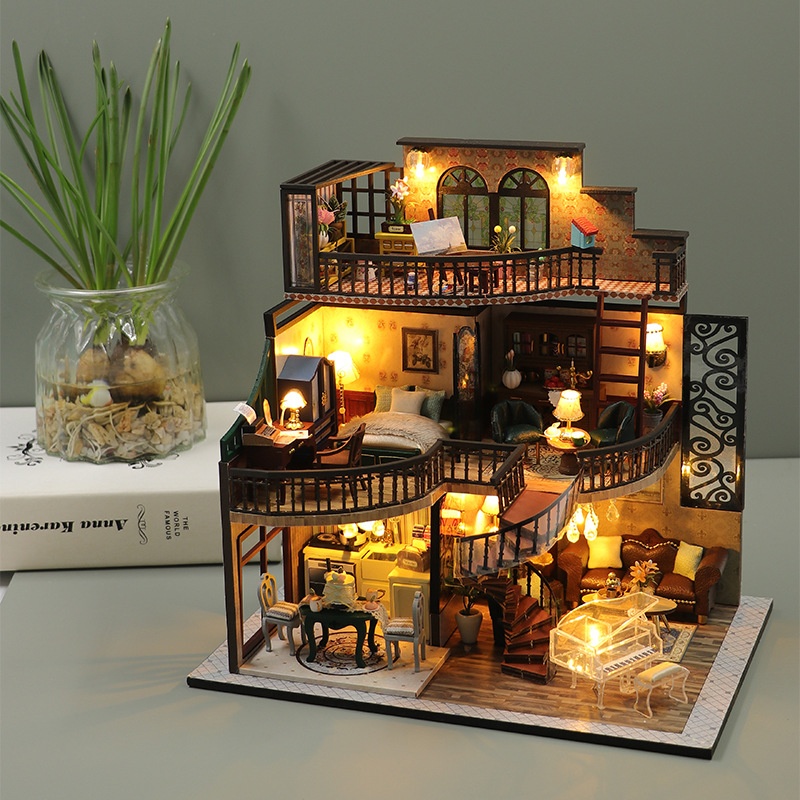
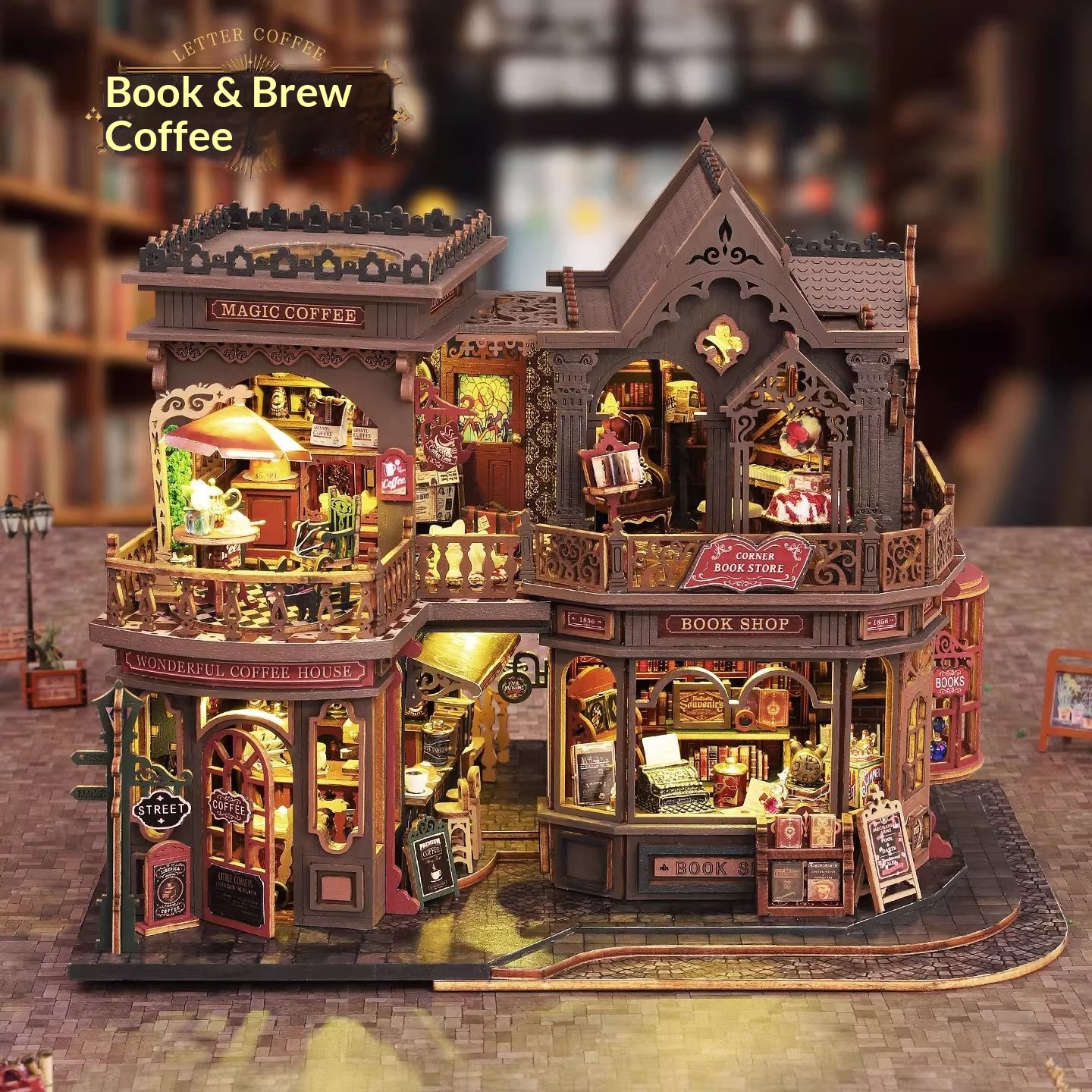
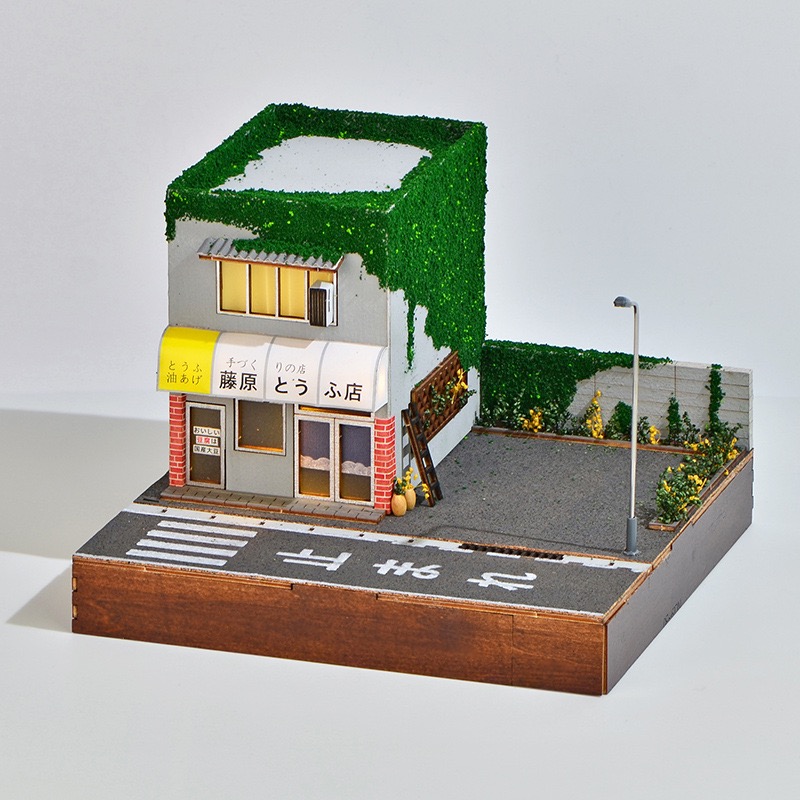
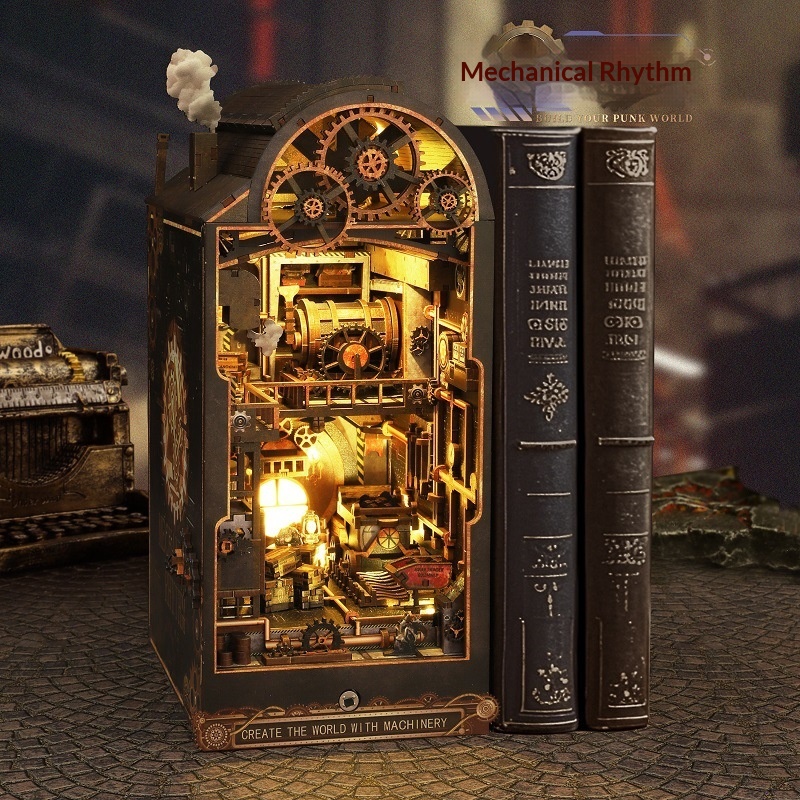
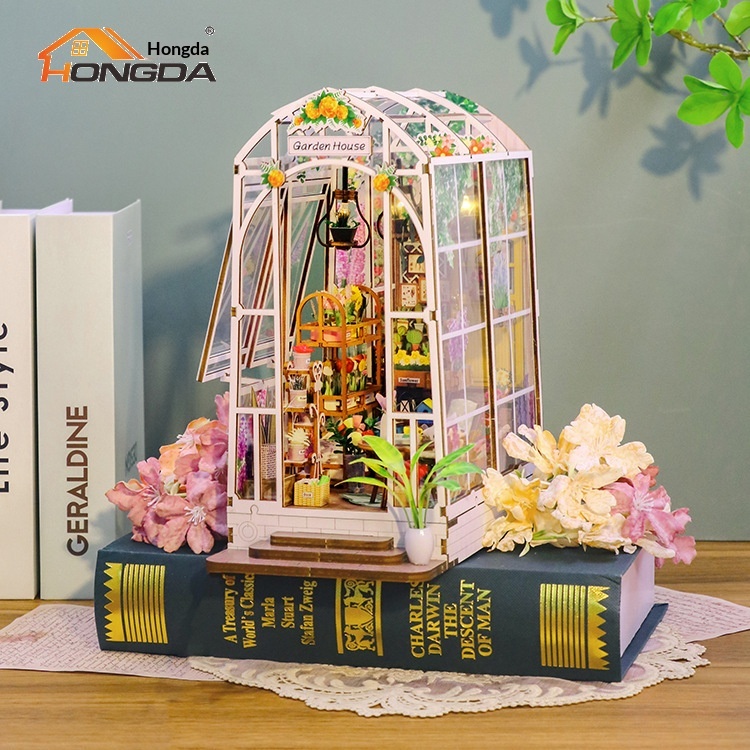
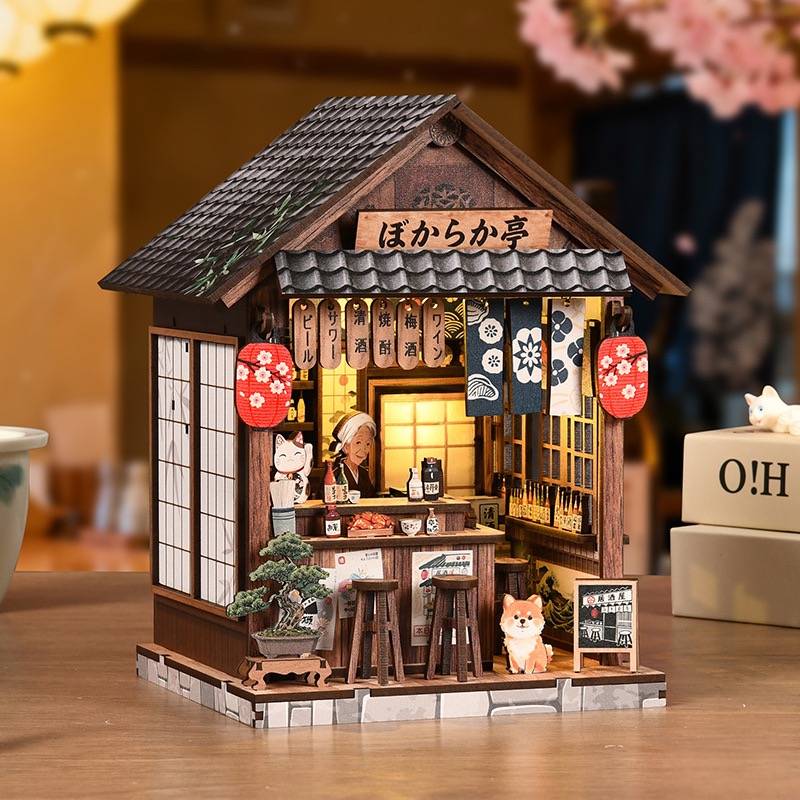
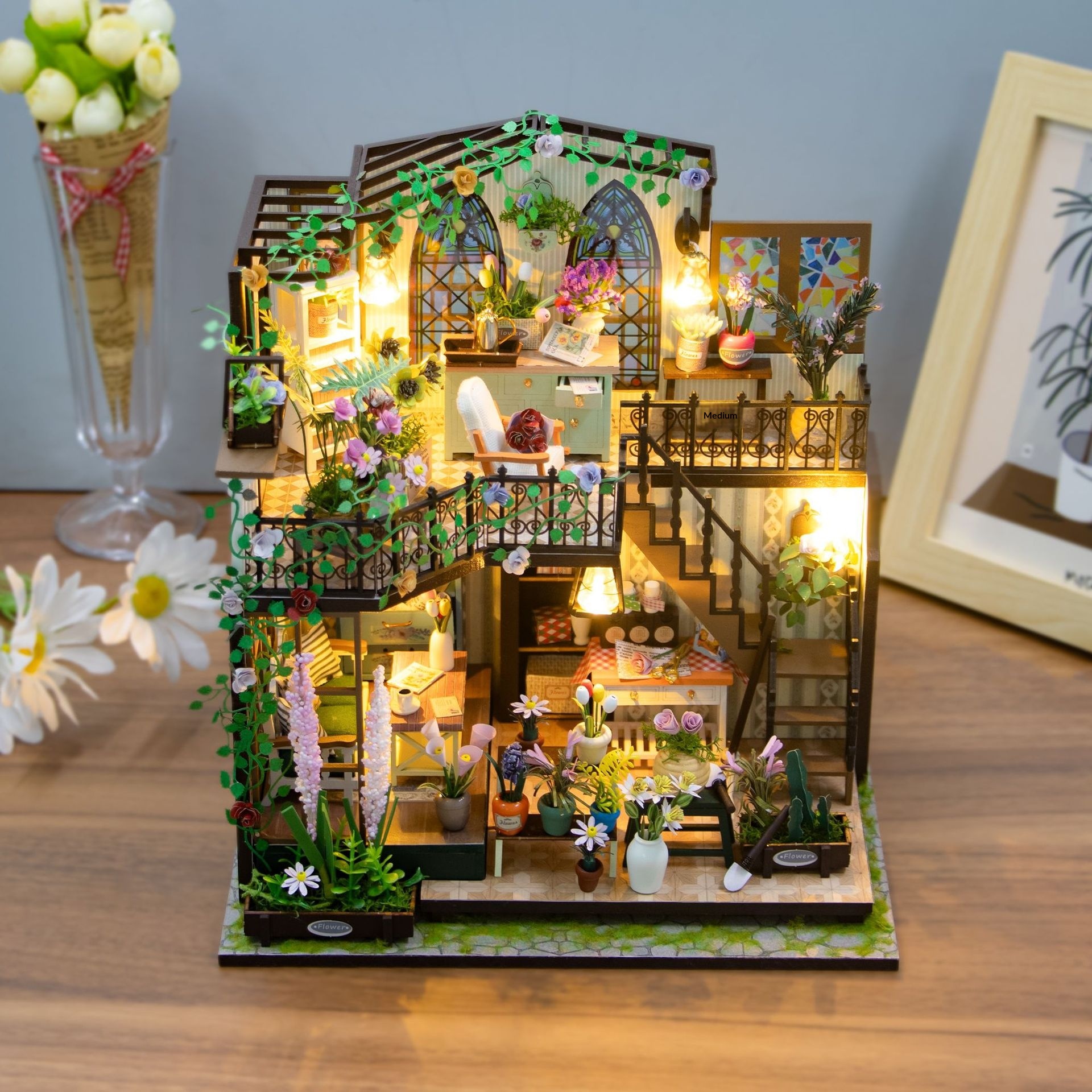
The Evolution of Landscape Construction: Structural Joinery Meets Modern STEM Principles
The global educational toy and miniature architecture industry is witnessing a structural transformation. Commercial buyers are aggressively shifting away from petroleum-based, single-use plastics toward heirloom-quality sustainable woods engineered with precision tolerances. At Hangzhou Aitoybots Trading Co., Ltd., our engineering framework traces its origins back to a traditional woodworking workshop founded in Jinhua in 2011. Over the last fourteen years, our master craftsmen have united historical mortise and tenon joinery techniques with high-accuracy CNC laser-cutting tolerances below 0.05mm. The result is the modern 3D landscape building block ecosystem—a segment engineered to spark cognitive spatial development while catering to the burgeoning global adult decompression and collector market.
Modern architectural models, such as our multi-level vintage building kits, street-scene dioramas, and functional book nooks, require exceptional mechanical stability without relying on chemical adhesives. Our research and development department integrates tactile structural balance with algorithmic cutting templates, ensuring that multi-ply basswood sheets exhibit neither thermal warping nor localized expansion across varying regional humidity thresholds. For educational institutions, specialized retailers, and global distributors, sourcing through a CE certified 3d landscape building blocks factory ensures complete compliance with the stringent physical, mechanical, and heavy-metal migration protocols mandated under the European Toy Safety Directive 2009/48/EC and transatlantic ASTM F963 standards.
Global Procurement Directives: Navigating Safety Audits, Material Chemistry, and CE Criteria
Procuring three-dimensional landscape models at scale demands acute attention to product certification integrity. Regulatory bodies and international retail gatekeepers—ranging from national customs agencies to prominent online marketplaces—enforce rigorous scrutiny over assembly kits destined for domestic distribution. When vetting factory partners, international category managers must verify compliance across multiple interconnected standards:
EN 71-1 (Mechanical and Physical Properties): Miniature architectural kits consist of interlocking structural tabs, tiny decorative parts, and frequently integrated electronic LEDs or kinetic gear shafts. Testing ensures edges remain burr-free post-laser release and that tension points resist structural failure during user assembly.
EN 71-2 (Flammability Regulations): Engineered timber sheets, bio-resins, and secondary fabrics must undergo controlled combustion testing to demonstrate self-extinguishing or compliant surface-spread rates.
EN 71-3 & REACH Compliance (Chemical and Heavy Metal Restriction): Toxic residues in screen printing, varnishes, and engineered plywood core adhesives represent significant regulatory liabilities. We mandate that our composite lumber, pigment formulas, and slow-rise auxiliary components conform to strict emission thresholds, specifically preventing toxic phthalates, cadmium, lead, and free formaldehyde outgassing.
Emerging Sourcing Trends in 3D Architectural Toys
Market intelligence gathered from over 200 international e-commerce partners and 50+ educational procurement bodies.
Tactile Hybridization (Mechanical & Kinetic Elements)
Buyers are prioritizing dynamic miniature kits over static display models. Collections incorporating operational hand cranks, internal rhythmic gears, or ambient touch-activated circuit pathways consistently achieve superior retail sell-through and premium price points across global lifestyle channels.
FSC-Certified Ecological Compliance
European and North American procurement protocols require verifiable timber chain-of-custody documentation. Factory facilities using responsibly sourced fast-growing basswood alongside non-toxic water-based stains mitigate retail corporate social responsibility (CSR) friction and customs clearance delays.
Micro-Scale Scene Realism & Cultural Immersion
Consumer demographics show substantial growth in the 1:64 and 1:24 miniature scene categories. Street-view architectures, botanical glasshouse micro-scenes, and heritage tavern themes featuring layered dimensional textures satisfy adult stress-relief routines while fostering cultural storytelling.
Technological Advancements in Factory Manufacturing & Structural Design
The manufacturing architecture at Hangzhou Aitoybots combines heritage artisanal benchcraft with high-capacity digital execution. Every new diorama begins inside parametric CAD suites, where dynamic simulation algorithms model wood grain vectors, directional tensile stress, and tab-and-slot friction coefficients. This virtual prototyping cycle eliminates the typical trial-and-error phase, accelerating new product development from months down to a lean 30-day average production timeline.
On the automated shop floor, high-wattage industrial laser beds operate within climate-controlled enclosures to avoid board distortion. Clean gas-assisted cutting jets eliminate the charred edges common in lower-tier facilities, yielding clean, tactile edges that assemble cleanly without sanding. Quality control engineers conduct real-time snap-fit tolerances checks alongside systematic 6-stage inspections across raw lumber arrival, cutting, UV ink printing, accessory sub-packaging, carton packaging, and finished drop-testing. This rigorous approach maintains our 0.3% low defect benchmark throughout high-volume mass production runs.
The Aitoybots Manufacturing Advantage
Why Tier-1 importers, specialty toy chains, and digital brands trust our Hangzhou manufacturing and export ecosystem.
Verified Testing & Safety Compliance
Full conformance documentation across CE, EN 71, and ASTM standards. Test reports for specific SKUs are accessible on request to expedite distributor customs audits and marketplace platform approvals.
Low Entry MOQ for Lean Scaling
Standard catalog orders begin at 2 to 20 pieces per SKU, enabling retail category teams and cross-border sellers to test product sales performance without heavy inventory overhead before placing container commitments.
In-House OEM / ODM Engineering Support
Dedicated industrial designers support customized diorama themes, branded packaging boxes, bespoke laser engraving, and custom instruction booklets translated by native technical speakers.
Frequently Asked Procurement Inquiries
Direct technical answers addressing factory capacities, customization parameters, and supply chain timelines.